


What's Happening?
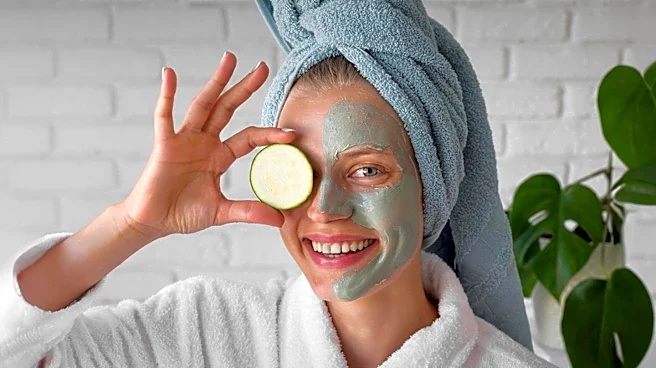
The trend of creating private spa experiences at home is growing, with individuals increasingly turning to do-it-yourself (DIY) treatments and at-home beauty devices. This movement is driven by a desire for accessible and budget-friendly self-care. Resources
like 'Our Oily House' provide numerous DIY recipes for homemade self-care products, including under-eye masks, peppermint bath salts, relaxing bath bombs, lip masks, whipped body butter, sugar scrubs, and rose clay face masks. These recipes often utilize common household ingredients, making them an economical alternative to professional spa services. Additionally, the market for at-home beauty devices is expanding, offering tools that replicate professional spa treatments through technologies such as microcurrent, red light therapy, and mechanical massage. These devices aim to bring advanced skincare and wellness practices into the home, allowing individuals to perform treatments at their convenience. The focus is on creating a personalized and relaxing environment without the need for external appointments or significant financial outlay.
Why It's Important?
The rise of home spa rituals and DIY beauty treatments signifies a broader shift in consumer behavior towards personalized wellness and cost-effective self-care. This trend impacts the beauty and wellness industry by creating a demand for accessible ingredients and at-home devices, potentially shifting revenue streams from traditional spa services to product sales for home use. For consumers, it offers increased autonomy over their self-care routines, allowing them to customize treatments to their specific needs and schedules. This can lead to greater consistency in self-care practices, as the barriers of cost and time associated with professional spas are reduced. The emphasis on natural and homemade ingredients also aligns with a growing consumer preference for transparency and control over the products they use on their bodies. This movement empowers individuals to take a more active role in their well-being, fostering a culture of proactive self-maintenance rather than reactive treatment.
What's Next?
The continued growth of the home spa trend is likely to spur further innovation in DIY beauty recipes and at-home beauty device technology. We can anticipate an increase in readily available ingredients and kits for homemade treatments, along with more sophisticated and user-friendly devices that offer a wider range of functionalities. Educational content, such as online tutorials and workshops, on how to effectively create and utilize these home spa solutions will also likely expand. Traditional spas may adapt by offering 'at-home' product lines or virtual consultations to cater to this market segment. Furthermore, regulatory bodies might begin to address the safety and efficacy of various at-home beauty devices and ingredients, ensuring consumer protection as the market matures. The focus will remain on empowering individuals to achieve professional-level results and relaxation within the comfort and convenience of their own homes.
Beyond the Headlines
Beyond the immediate economic and consumer impacts, the proliferation of home spa rituals reflects a deeper cultural emphasis on mental well-being and stress reduction. In an increasingly fast-paced world, the act of engaging in self-care at home provides a crucial opportunity for mindfulness and relaxation, contributing to overall psychological health. This trend also highlights a growing appreciation for the therapeutic benefits of sensory experiences, such as aromatherapy from bath bombs or the tactile sensation of a sugar scrub. Ethically, it raises questions about the accessibility of wellness, as DIY options democratize self-care, making it available to a broader demographic regardless of income level. This shift could foster a more holistic approach to health, where self-care is viewed not as a luxury, but as an integral part of daily life, promoting sustained well-being and resilience.