



What's Happening?
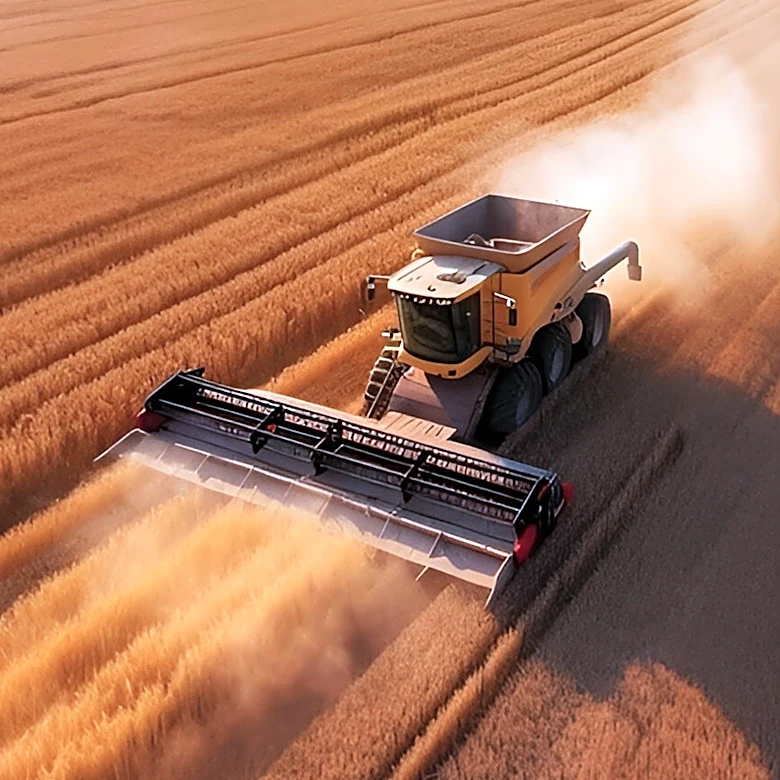
Seneca Foods, a prominent North American provider of packaged fruits and vegetables, is actively recruiting an Agricultural Equipment Mechanic for its facility in Cumberland, Wisconsin. This role is crucial for maintaining the continuous flow of products
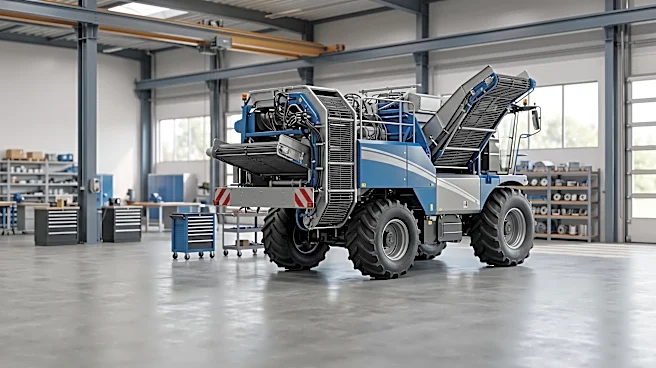
to processing plants during harvest season and ensuring the preventative maintenance of harvesting equipment during the off-season. The mechanic will be responsible for operating, maintaining, and repairing various agricultural equipment, troubleshooting breakdowns, and performing necessary repairs and upgrades to mechanical, electrical, and hydraulic systems, particularly for diesel fuel equipment. The position also involves overhauling and rebuilding equipment outside of the processing season and maintaining cost control for budget purposes. Additionally, the mechanic will work with Area Supervisors to uphold production and quality standards and supervise assigned seasonal employees during harvest operations. Candidates are expected to have one to three years of related mechanical experience, a valid driver's license, and proficiency in using hand and power tools. Welding and fabrication skills are considered a plus.
Why It's Important?
This hiring initiative by Seneca Foods is significant for several reasons. Firstly, it underscores the company's commitment to maintaining operational efficiency and product quality, which are critical for a major food producer. The role of an Agricultural Equipment Mechanic directly impacts the supply chain, ensuring that raw agricultural products are harvested and transported efficiently to processing facilities. This, in turn, affects the availability of packaged fruits and vegetables for consumers across national and international markets. Given Seneca Foods' extensive reach, supplying to over 90 countries and holding a large share in retail private label, food service, and export canned vegetable markets, the smooth functioning of its agricultural equipment is paramount to its business continuity and market position. The investment in skilled labor for equipment maintenance also reflects a broader industry trend of prioritizing robust infrastructure to meet demand and minimize disruptions in food production. The company's reliance on over 1,400 American farms further highlights the importance of this role in supporting the agricultural sector.
What's Next?
Seneca Foods will proceed with the recruitment and hiring process for the Agricultural Equipment Mechanic position in Cumberland, WI. Successful candidates will undergo training and integration into the existing team, focusing on familiarization with Seneca Foods' specific equipment and operational protocols. The newly hired mechanic will then assume responsibilities for equipment maintenance and repair, particularly in preparation for and during the upcoming harvest seasons. This will involve close collaboration with Area Supervisors to ensure optimal product flow and quality. The company's ongoing commitment to providing an excellent benefits package, including medical, dental, vision, life insurance, 401K, and paid time off, suggests a focus on attracting and retaining skilled talent. This strategic hire is expected to bolster the company's operational capabilities, contributing to its ability to meet market demands for packaged fruits and vegetables and sustain its position as a leading provider in the industry.
Beyond the Headlines
The demand for skilled agricultural equipment mechanics, as evidenced by Seneca Foods' job posting, points to a broader trend in the U.S. agricultural sector: the increasing reliance on sophisticated machinery for efficient food production. As farming operations become more mechanized and technologically advanced, the need for specialized technicians capable of maintaining and repairing complex equipment grows. This highlights a critical intersection between agriculture and skilled trades, emphasizing the importance of vocational training and technical education programs that can supply the workforce with these essential skills. Furthermore, the role's focus on preventative maintenance and cost control reflects a strategic approach to sustainability and economic efficiency within the food industry. By minimizing equipment downtime and optimizing performance, companies like Seneca Foods can reduce waste, improve productivity, and ultimately contribute to a more resilient food supply chain. This also touches upon the ethical dimension of ensuring food security through efficient and reliable agricultural practices, impacting consumers and the broader economy.