
What's Happening?
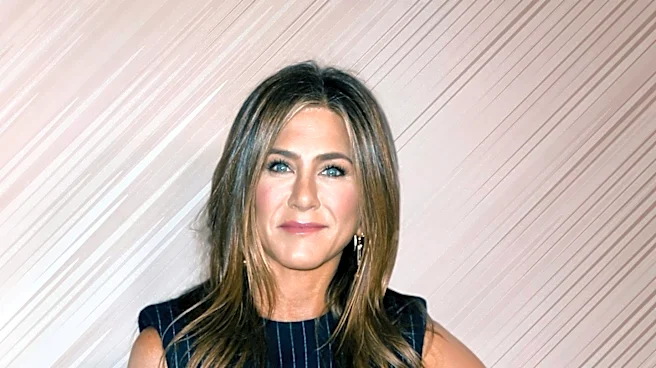
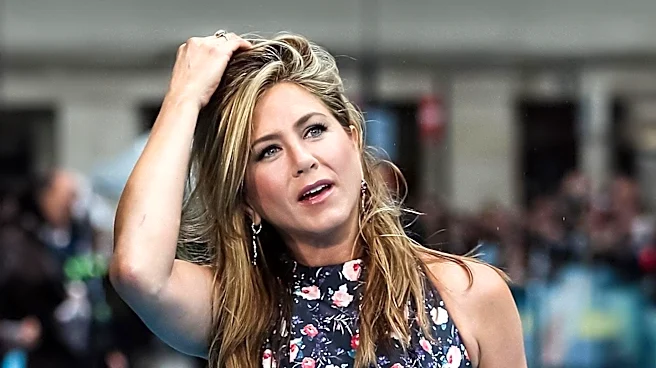
Jennifer Aniston has shared her thoughts on the resurgence of 'The Rachel' haircut, a style popularized by her character Rachel Green in the 1990s sitcom 'Friends.' While she appreciates that people are still inspired by it, especially the modern versions
with softer, more relaxed layers, Aniston also recalled the significant effort required to maintain the original look. The iconic shoulder-length, layered bob became a cultural phenomenon in the mid-90s, with many women seeking to replicate it. Now, Gen Z has reportedly embraced a contemporary iteration of the style, prompting Aniston's reflection on its enduring appeal and past maintenance challenges.
Why It's Important?
This story highlights the enduring cultural impact of 'Friends' and Jennifer Aniston's role in shaping beauty and fashion trends. The comeback of 'The Rachel' haircut, decades after its initial popularity, underscores the cyclical nature of fashion and the powerful influence of nostalgia, particularly among younger generations discovering classic pop culture. For the U.S. beauty industry, this trend could lead to increased demand for specific hair styling products and techniques, potentially boosting salon services and product sales. It also demonstrates how celebrity endorsement, even a retrospective one, can reignite interest in past trends, influencing consumer behavior and market dynamics within the beauty sector.
Beyond the Headlines
Beyond the immediate fashion trend, the return of 'The Rachel' speaks to broader themes of cultural memory and the intergenerational transmission of pop culture. It illustrates how iconic elements from past decades can be reinterpreted and adopted by new audiences, creating a continuous dialogue between different eras. Aniston's candid comments about the haircut's high maintenance also offer a glimpse into the often-unseen effort behind celebrity appearances, challenging the perception of effortless style. This narrative can resonate with consumers who grapple with the practicalities of maintaining trendy looks, fostering a more realistic understanding of beauty standards. The phenomenon also underscores the power of television and celebrity in shaping collective aesthetics and personal identity over time.