




What's Happening?
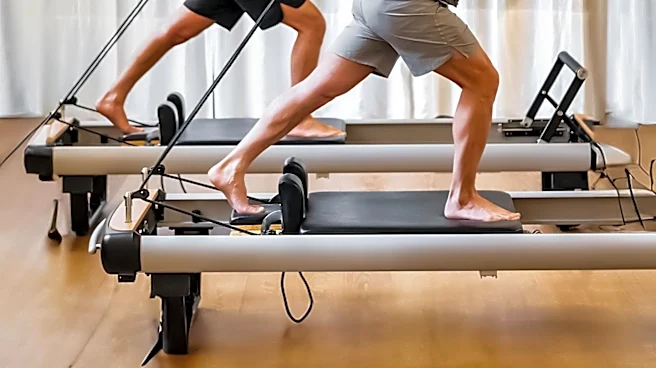
Reformer Pilates is being increasingly recognized as a beneficial exercise modality for individuals recovering from injuries or surgeries. This specialized form of Pilates uses a machine with a sliding carriage, springs, straps, and adjustable resistance,
allowing for controlled movements that can be adapted to various fitness levels and recovery stages. Unlike high-impact workouts, Reformer Pilates emphasizes precision, breathing, alignment, and coordination. The equipment can provide either assistance or resistance, enabling users to work within their current physical capabilities. This approach helps in gradually rebuilding strength, improving mobility, and enhancing body awareness. Medical clearance from a healthcare provider is essential before starting or resuming Reformer Pilates after an injury or surgery, as it is intended to complement, not replace, prescribed medical care or physical therapy. The focus during recovery is on improving movement quality and muscular control rather than pushing for advanced movements.
Why It's Important?
The integration of Reformer Pilates into rehabilitation protocols signifies a growing trend in personalized and adaptable recovery methods. Its low-impact nature and adjustable resistance make it suitable for a wide range of patients, including those with significant mobility limitations or muscle weakness post-injury or surgery. By focusing on core stability, balance, and coordination, Reformer Pilates can help individuals regain confidence in their movement and perform daily activities with greater ease. This is particularly important for reducing the risk of re-injury and promoting long-term physical function. The ability to modify exercises to avoid strain on healing tissues ensures that patients can progress safely and effectively, making it a valuable tool for physical therapists and rehabilitation specialists looking for complementary treatment options.
What's Next?
As awareness and adoption of Reformer Pilates for rehabilitation grow, it is likely that more healthcare providers will consider recommending it as part of a comprehensive recovery plan. Further research may explore specific protocols and outcomes for various types of injuries and surgeries, leading to more standardized guidelines for its use in rehabilitation. Collaboration between Pilates instructors and healthcare professionals will become increasingly crucial to ensure that exercise routines align with individual recovery stages and medical restrictions. This could lead to specialized certifications for Pilates instructors focusing on rehabilitation, enhancing the quality and safety of care. Additionally, the development of more accessible and affordable Reformer Pilates programs tailored for post-rehabilitation clients could expand its reach and impact.
Beyond the Headlines
The increasing use of Reformer Pilates in rehabilitation highlights a broader shift towards holistic and patient-centered approaches in healthcare. It underscores the importance of movement and controlled exercise in the healing process, moving beyond traditional rest-only recommendations. This trend also reflects a growing recognition of the mind-body connection in recovery, as Reformer Pilates requires significant concentration and body awareness, which can contribute to mental well-being alongside physical healing. Ethically, it emphasizes the need for clear communication and collaboration between different healthcare disciplines to ensure patient safety and optimal outcomes. Legally, it may prompt discussions around the scope of practice for Pilates instructors when working with rehabilitating clients, potentially leading to clearer regulatory frameworks or professional guidelines.