







What's Happening?
Thrifting for garden items is becoming a popular trend, allowing individuals to acquire unique pieces with character at a reduced cost while promoting sustainability. This approach encourages slow, intentional collecting rather than immediate, large-scale
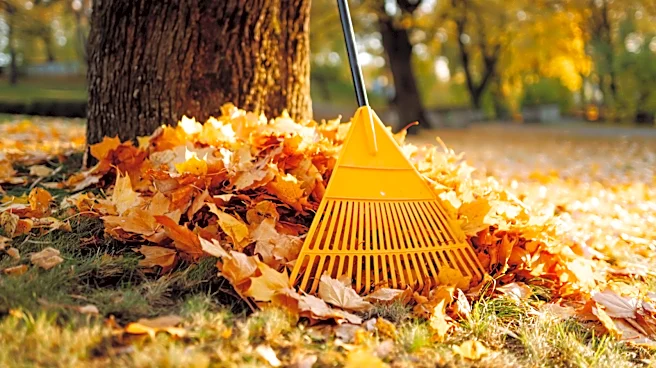
purchases from retail stores. Key items being sought after include oversized planters, unique pots, vintage watering cans, durable garden tools, and wrought iron patio furniture. Shoppers are also looking for decorative accents such as bird baths, garden tables, and salvaged decor like old weathervanes and lanterns. The appeal lies in the weathered aesthetic and the stories these secondhand items can tell, which new purchases often lack.
Why It's Important?
This trend is significant as it reflects a broader shift towards sustainable consumption and a desire for individuality in home and garden aesthetics. By opting for thrifted items, consumers reduce waste and the demand for new manufacturing, contributing to environmental conservation. Economically, it offers a cost-effective alternative to expensive retail garden supplies, making gardening and outdoor decorating more accessible. The emphasis on unique, character-filled pieces also allows individuals to express personal style and create distinctive outdoor spaces that stand out from mass-produced designs. This movement supports local thrift stores and circular economies, fostering community engagement and resourcefulness.
What's Next?
The popularity of thrifting for garden items is expected to continue growing, driven by increasing environmental awareness and economic considerations. More individuals may turn to secondhand markets, online platforms, and estate sales to find unique garden treasures. This could lead to an expansion of specialized thrift shops or sections dedicated to outdoor decor. Additionally, workshops and online guides on how to restore or repurpose thrifted garden items might become more prevalent, further empowering consumers to embrace this sustainable practice. The trend may also influence manufacturers to produce items with a vintage or weathered look to cater to this aesthetic preference.
Beyond the Headlines
Beyond the immediate benefits of cost savings and sustainability, this thrifting trend highlights a cultural appreciation for history and craftsmanship. Many older garden tools and furniture pieces were built with more durable materials and techniques, offering longevity that modern mass-produced items often lack. The 'patina' or aged appearance of these items is not just a cosmetic feature but a testament to their endurance and past life, adding a layer of narrative to a garden space. This movement subtly challenges the consumerist culture of constant new purchases, encouraging a more thoughtful and appreciative approach to acquiring possessions and decorating one's environment.