





What's Happening?
The digital nomad lifestyle, while offering significant freedom, necessitates thorough preparation and adherence to certain 'unspoken rules' for a sustainable and enjoyable experience. Key considerations include ensuring legal work status in foreign countries,
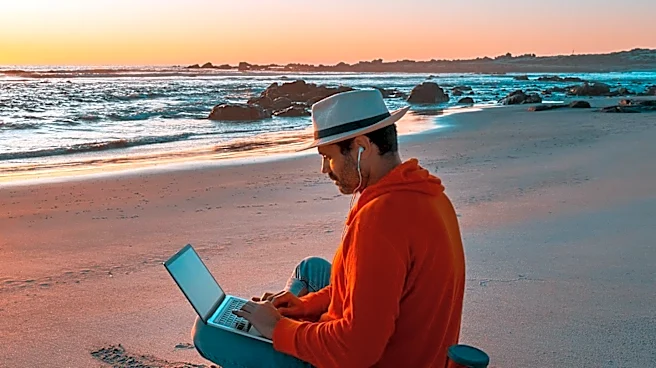
as tourist visas often do not permit remote work. Many destinations now offer specific digital nomad visas, which come with income requirements, health insurance rules, and application fees. Connectivity is paramount, requiring reliable internet access and backup options like local SIMs or eSIMs. Additionally, maintaining routines, managing finances for unexpected expenses, and respecting local communities are crucial for successful long-term remote work abroad. The romanticized image of working from a beach often contrasts with the practical realities of glare, noise, and security concerns, making dedicated workspaces more effective.
Why It's Important?
The increasing popularity of the digital nomad lifestyle has significant implications for global labor markets, tourism, and local economies. For individuals, understanding these 'unspoken rules' can prevent legal issues, financial distress, and burnout, ensuring the long-term viability of their remote careers. For host countries, the influx of digital nomads presents opportunities for economic growth through increased spending on local businesses, accommodation, and services. However, it also raises challenges related to infrastructure, housing affordability, and cultural integration. The emphasis on respecting local customs and avoiding a 'digital-nomad bubble' highlights the importance of sustainable tourism and community relations, preventing potential friction between temporary residents and permanent inhabitants. The need for robust digital infrastructure also drives investment in connectivity, benefiting both nomads and local populations.
What's Next?
As the digital nomad trend continues to grow, more countries are expected to introduce or refine digital nomad visa programs to attract remote workers, potentially leading to a more standardized global framework for remote work. Individuals planning to embrace this lifestyle will need to prioritize comprehensive research into visa requirements, tax implications, and local living conditions. The demand for reliable connectivity and dedicated co-working spaces will likely increase, prompting further development in these sectors. Furthermore, there will be a continued emphasis on responsible travel and community engagement, with digital nomads encouraged to integrate respectfully into their temporary homes. Educational resources and platforms supporting digital nomads are also likely to expand, offering more guidance on logistics, financial planning, and cultural etiquette.
Beyond the Headlines
The rise of digital nomadism reflects a broader societal shift towards flexible work arrangements and a re-evaluation of traditional work-life balance. This movement challenges conventional notions of residency and citizenship, prompting discussions about international tax laws, social security contributions, and healthcare access for a highly mobile workforce. Ethically, the impact of digital nomads on local communities, particularly in terms of gentrification and cultural preservation, is a growing concern. The 'unspoken rules' underscore a call for conscious travel and a deeper understanding of global citizenship, moving beyond mere tourism to a more integrated and respectful form of temporary residency. This lifestyle also highlights the psychological aspects of constant mobility, emphasizing the importance of routines and community for mental well-being, even amidst perceived freedom.