







What's Happening?
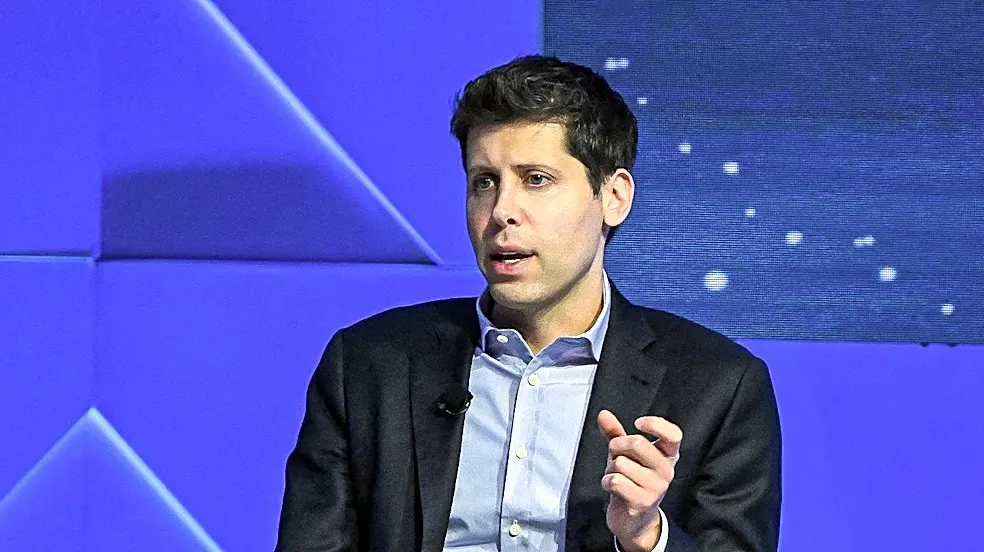
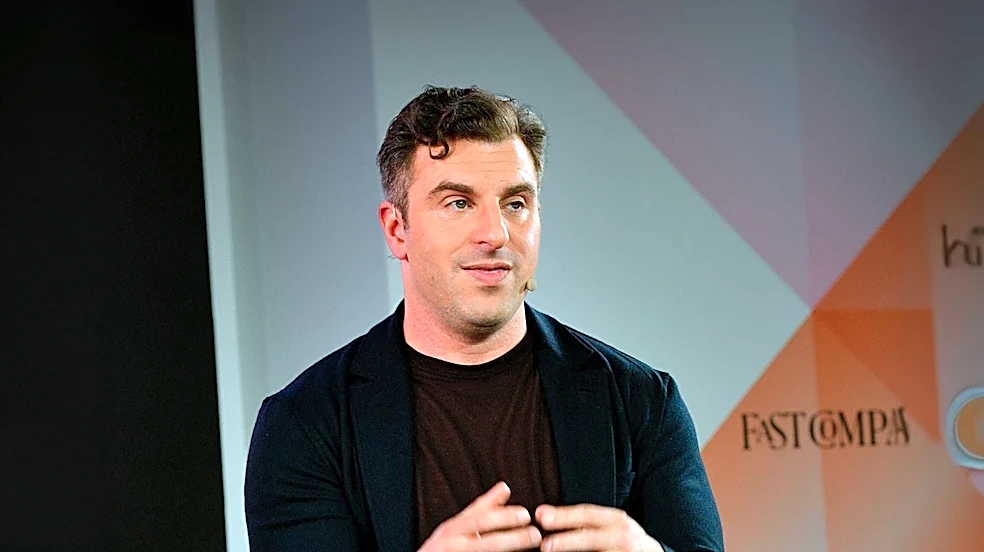
Airbnb CEO Brian Chesky has significantly altered his hiring philosophy, adopting an intensive recruitment strategy inspired by OpenAI CEO Sam Altman. Chesky now dedicates approximately three hours daily to recruiting, a substantial increase from his previous
approach. He views himself as a 'co-hiring manager' for all his direct reports' hires, emphasizing that this involvement is not due to a lack of effectiveness from his senior leadership but rather a strategic move to ensure philosophical alignment with future leaders. Chesky stated that if his reports are uncomfortable with his deep involvement in their hiring decisions, they should consider leaving the company. He learned this approach from Altman, who reportedly told him that hiring should constitute 50% of a CEO's job, a practice Altman followed during the pre-launch phase of ChatGPT. This shift reflects Chesky's belief that hiring for the 'company of tomorrow' requires direct and significant CEO engagement.
Why It's Important?
This shift in hiring strategy by a prominent U.S. CEO like Brian Chesky, influenced by a tech leader like Sam Altman, signals a potential trend in corporate governance and talent acquisition within the American business landscape. The emphasis on direct CEO involvement in hiring, even at lower executive levels, suggests a move towards a more centralized and values-driven approach to building leadership teams. This could have significant implications for corporate culture, employee autonomy, and the traditional role of human resources departments in U.S. companies. For employees, it might mean a more rigorous and values-aligned hiring process, potentially leading to stronger organizational cohesion but also raising questions about micromanagement and the efficiency of such a time-intensive process for top executives. For the broader U.S. business community, if this trend gains traction, it could redefine best practices in talent management, particularly in fast-growing tech and innovation-driven sectors where cultural fit and philosophical alignment are deemed critical for long-term success.
What's Next?
The adoption of Sam Altman's intensive hiring strategy by Airbnb CEO Brian Chesky could lead to a re-evaluation of traditional hiring practices across U.S. corporations, particularly in the tech sector. Other CEOs and senior leaders might observe Airbnb's outcomes to determine if such a hands-on approach improves talent density and strategic alignment. This could prompt discussions within companies about the optimal level of CEO involvement in recruitment and the balance between centralized control and delegated authority in talent management. It may also lead to increased scrutiny of HR departments' roles, potentially shifting their focus from primary hiring responsibilities to more strategic support functions. Furthermore, the emphasis on 'philosophical alignment' could influence how companies define their core values and integrate them into their recruitment processes. The long-term success or challenges faced by Airbnb under this new hiring model will likely serve as a case study for other U.S. businesses contemplating similar changes.
Beyond the Headlines
The deep involvement of a CEO like Brian Chesky in the hiring decisions of his direct reports' teams, inspired by Sam Altman, highlights a subtle but profound shift in the understanding of leadership and organizational control. This approach moves beyond merely approving top-level executives to actively shaping the philosophical alignment of future leaders throughout the organization. It suggests a recognition that corporate culture and strategic direction are not solely dictated from the top but are deeply embedded in the values and perspectives of those who will eventually ascend to leadership roles. This could lead to a more homogenous leadership pipeline, potentially fostering strong internal cohesion but also risking a lack of diverse thought and perspective. The ethical implications revolve around the extent to which a CEO's personal philosophy should permeate all levels of an organization's leadership, and whether such a system could inadvertently stifle independent thinking or create an echo chamber. This trend could redefine the very nature of corporate succession planning and the balance between individual autonomy and organizational unity in the U.S. business environment.