



What's Happening?
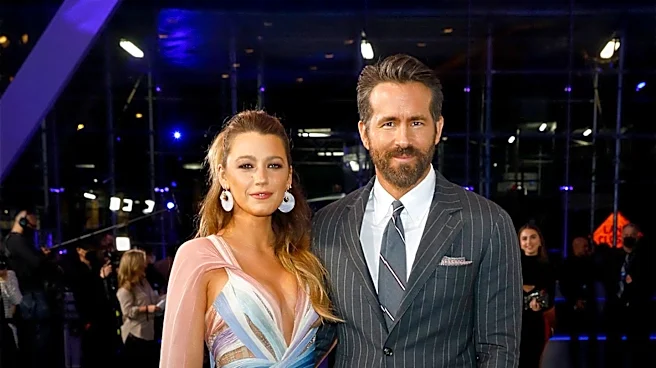
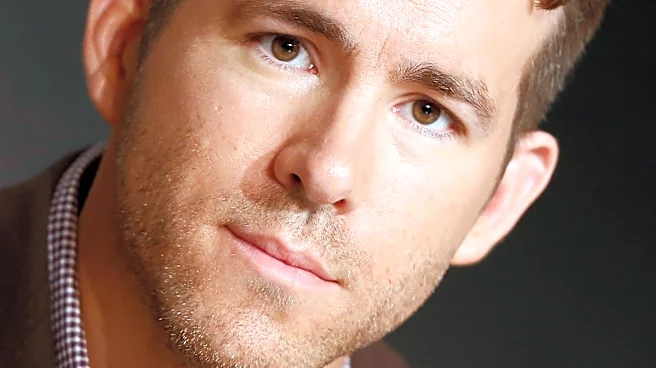
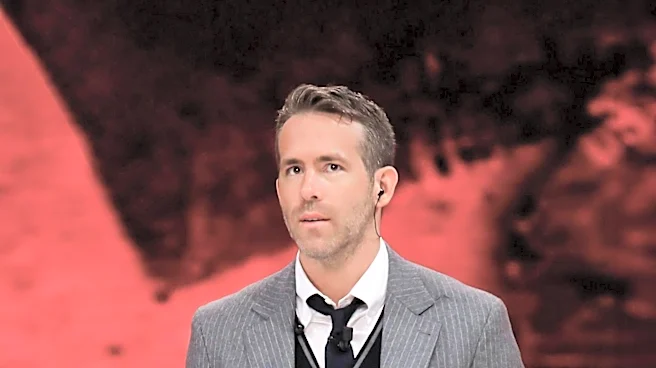
Ryan Reynolds, the Canadian-American actor known for 'Deadpool & Wolverine,' has publicly discussed his 'soft parenting' philosophy for raising his four children with wife Blake Lively. Speaking at The Wall Street Journal's CMO Summit in New York City
on November 18, 2025, Reynolds stated that his approach involves 'no yelling or punishments.' He acknowledged that this style differs significantly from his own upbringing, noting that 'soft parenting is new.' Reynolds believes that this method fosters a sense of safety in his children, which in turn leads to better decision-making. He explained that when children feel secure, they can operate from a place of thoughtfulness rather than 'fight or flight,' allowing them to consider others in their environment. Despite the gentle approach, Reynolds humorously referred to his children as 'spawns of Satan,' acknowledging the inherent challenges of raising kids.
Why It's Important?
Ryan Reynolds' public endorsement of 'soft parenting' contributes to a broader cultural conversation about child-rearing methods in the U.S. and beyond. As a prominent public figure, his views can influence parents who look for alternative approaches to traditional disciplinary tactics. The emphasis on creating a safe environment and encouraging thoughtful decision-making aligns with modern psychological insights into child development, which often advocate for positive reinforcement and emotional security over punitive measures. This approach could lead to a generation of children who are more emotionally resilient and capable of independent thought. For the entertainment industry, it highlights how celebrities are increasingly using their platforms to share personal values and parenting styles, potentially shaping societal norms and discussions around family life. It also reflects a shift in how public figures engage with their audience, moving beyond purely professional updates to more personal insights.
What's Next?
The discussion around 'soft parenting' is likely to continue, with more parents and child development experts weighing in on its effectiveness and implications. Reynolds' comments could spark further media coverage and public discourse on gentle parenting techniques, potentially leading to increased interest in related books, workshops, and resources. Other public figures might also be encouraged to share their parenting philosophies, further normalizing diverse approaches to raising children. For Reynolds himself, this public stance could reinforce his image as a thoughtful and engaged parent, potentially influencing his public perception and brand endorsements related to family-oriented products or initiatives. The long-term impact on his children, as they grow up with this parenting style, will be a subject of ongoing interest, potentially offering real-world examples of the approach's outcomes.
Beyond the Headlines
The embrace of 'soft parenting' by a figure like Ryan Reynolds points to a deeper societal shift away from authoritarian parenting models towards more empathetic and child-centered approaches. This evolution in parenting reflects changing cultural values that prioritize emotional intelligence, mental well-being, and open communication within families. The concept of children feeling 'safe' to make decisions, rather than being driven by fear of punishment, has profound implications for their development of autonomy and self-efficacy. This trend could also be seen as a response to the increased pressures and complexities of modern life, where fostering resilience and critical thinking in children is deemed more crucial than strict obedience. Ethically, it raises questions about the balance between parental authority and a child's independence, and how best to prepare children for a world that demands adaptability and emotional strength.