





What's Happening?
Leading firms are moving beyond traditional sustainability and wellness frameworks to embrace regenerative design in workplace strategies, according to Retrofit Magazine. HKS, a prominent firm, is investing in this approach, which aims to create spaces
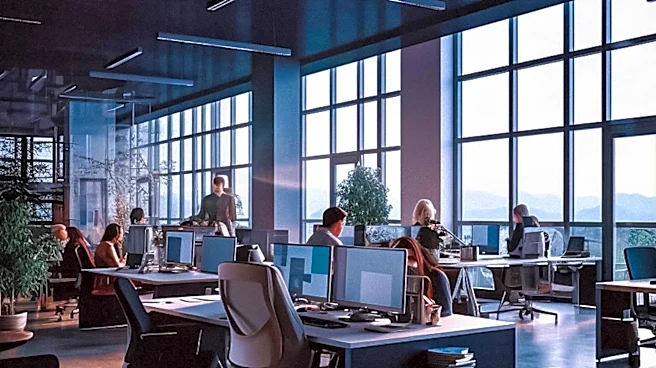
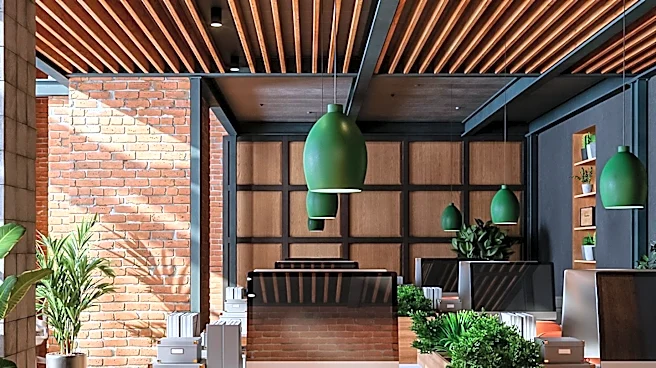
that actively contribute a net positive impact rather than merely limiting harm. Nathan Ferrance, studio design leader, Interiors, at HKS, emphasizes building environments that 'give back more than they take.' This shift is driven by the recognition that the physical workplace must be a place employees actively choose, especially after the pandemic demonstrated the effectiveness of remote work. The focus is on human-centered design, providing flexibility, choice, and control to employees, and fostering meaningful connections. The goal is to create spaces that support diverse work styles and enhance employee satisfaction and retention, moving away from designs solely focused on density and efficiency.
Why It's Important?
This shift in workplace design is crucial for U.S. businesses facing a competitive talent market. Good employees are a valuable asset, and attracting and retaining them requires more than just salary and basic benefits. By treating office spaces as a strategic asset rather than an overhead cost, companies can significantly improve employee satisfaction and reduce turnover. A poorly designed office can signal rigidity and outdated thinking, potentially alienating talent, while a well-designed, regenerative space can reinforce innovation, collaboration, and employee well-being. This approach impacts not only individual companies but also the broader U.S. economy by fostering more productive and engaged workforces. The emphasis on human-centered design, including cognitive well-being and flexibility, can lead to healthier and happier employees, ultimately boosting overall economic output and innovation.
What's Next?
The trend towards regenerative design in workplaces is expected to gain further momentum as hybrid work models mature and artificial intelligence reshapes job roles. Companies will likely invest more heavily in the quality of their office spaces, even if they occupy less overall square footage. The future office will become a more intentional destination, offering experiences that add value to an employee's day, rather than being a mandatory location. This will involve continued integration of technology, such as intelligent lighting and smart sensors, to create adaptive and evidence-informed environments. Stakeholders, including architects, interior designers, and corporate leaders, will need to collaborate to implement these complex, human-centric designs. The focus will be on asking different questions about space utilization, prioritizing the types of spaces needed and the tasks performed, rather than just the number of seats.
Beyond the Headlines
The adoption of regenerative design in workplaces signifies a deeper cultural and ethical shift in how organizations view their relationship with employees and the environment. It moves beyond mere compliance with sustainability standards to an active commitment to positive impact. This approach acknowledges that the built environment profoundly affects human physical and mental health, and by designing spaces that are transformative, companies can contribute to a healthier society. The integration of data from wearable devices and smart sensors to inform design choices raises ethical considerations regarding privacy and data usage, which will need careful navigation. Ultimately, this trend could lead to a redefinition of the 'office' from a static container for work to a dynamic platform that amplifies human potential and fosters a sense of belonging and purpose.