


What's Happening?
Luxury residential real estate is witnessing the rise of 'invisible wellness,' a concept that integrates health-enhancing systems directly into a residence's architecture and infrastructure. This approach moves beyond visible amenities like fitness centers
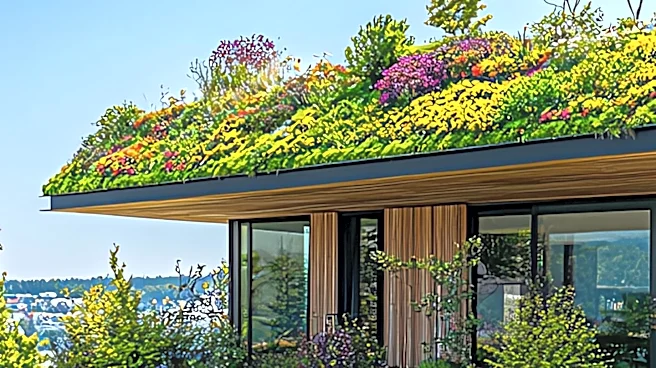
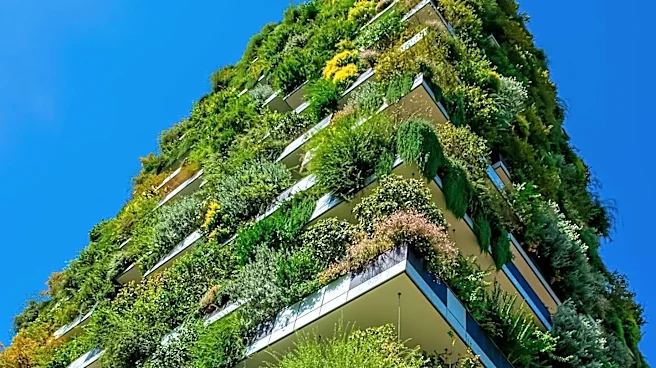
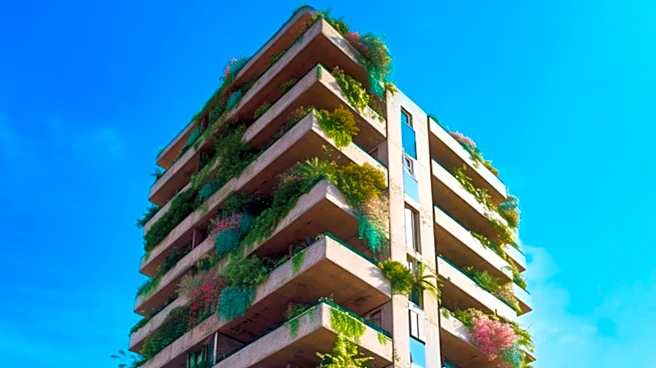
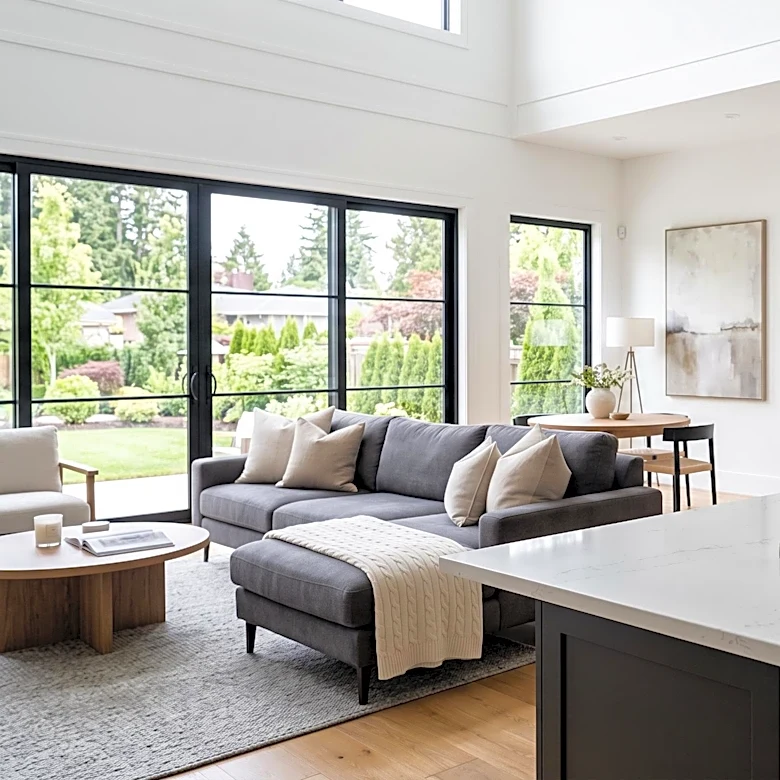
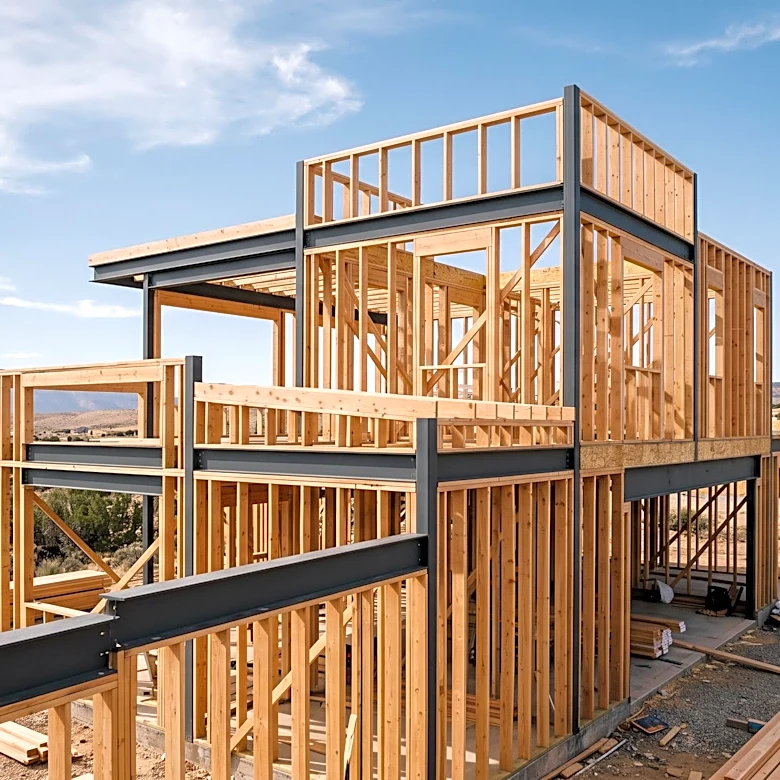
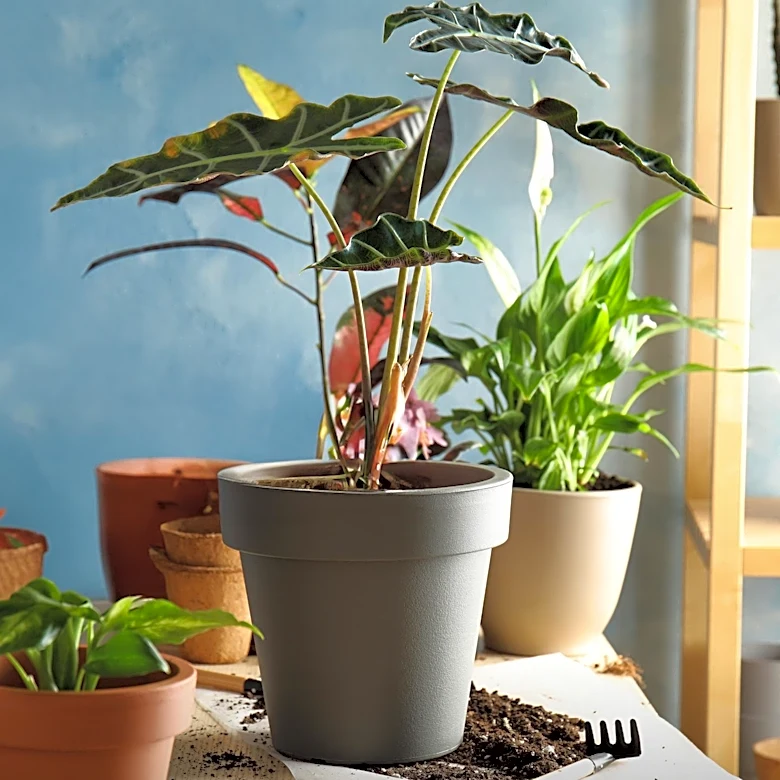
and spas, focusing instead on features that continuously improve daily life without requiring active engagement from residents. Examples include low-toxicity construction methods, such as low-VOC paints and carefully selected finishes, to ensure cleaner indoor air. Advanced purification technologies are being incorporated to enhance water quality for drinking and cooking. Biophilic design, which emphasizes natural materials, abundant daylight, and connections to nature, is also a key component, creating calming and restorative spaces. Developments like The Ritz-Carlton Residences, Fort Lauderdale, and JEM Private Residences are implementing these principles, with designs that maximize natural light, use organic materials, and promote seamless indoor-outdoor living.
Why It's Important?
The adoption of 'invisible wellness' in luxury residential real estate signifies a growing market demand among affluent U.S. buyers for homes that actively support longevity, recovery, and preventative health. This trend impacts the construction and design industries by setting new standards for material selection, environmental systems, and architectural planning. Developers who integrate these features stand to gain a competitive advantage by appealing to a discerning clientele increasingly focused on holistic well-being. Conversely, those who do not adapt may find their properties less attractive in this evolving market. The emphasis on cleaner air, healthier water, and optimized lighting can lead to improved resident health outcomes, potentially reducing healthcare costs and enhancing overall quality of life. This shift also highlights a broader societal recognition of the profound impact of the built environment on human health.
What's Next?
The 'invisible wellness' trend is expected to expand beyond luxury residences, potentially influencing mainstream housing markets as health and well-being become more central to consumer priorities. Developers will likely continue to innovate in integrating advanced environmental systems and biophilic design principles. The focus will remain on subtle, yet impactful, features that contribute to a healthier living environment without requiring conscious effort from residents. This could lead to increased demand for specialized consultants in sustainable building materials, air and water purification technologies, and circadian lighting systems. Furthermore, the success of these luxury developments may prompt regulatory bodies to consider incorporating similar health-focused building standards into broader construction codes, ultimately benefiting a wider population.
Beyond the Headlines
The rise of 'invisible wellness' reflects a deeper cultural shift towards proactive health management and a more holistic understanding of well-being. It suggests that the home is no longer just a shelter but an active participant in maintaining and improving health. This trend could lead to a re-evaluation of what constitutes 'luxury' in residential living, moving beyond ostentatious displays to prioritize intrinsic value like health and environmental quality. Ethically, it raises questions about equitable access to such health-enhancing environments, as these features are currently concentrated in the high-end market. Over the long term, this could drive innovation in sustainable and health-conscious building practices that eventually become more accessible, transforming how all homes are designed and built to support human flourishing.