






What's Happening?
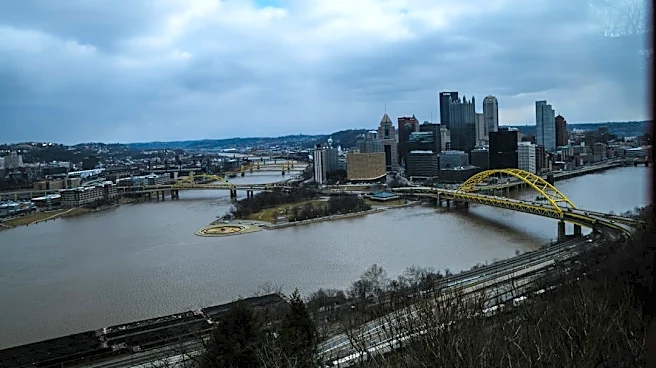
Live Nation has officially opened Citizens Live at The Wylie, a new 4,000-capacity live music venue in Pittsburgh's historic Lower Hill District. This development marks a significant return of live music to Wylie Avenue, an area once renowned as a vibrant
center for jazz and culture, hosting legends like Louis Armstrong and Ella Fitzgerald before urban development in the 1950s displaced residents and diminished its music scene. The venue, designed by Blueprint Studio, pays homage to the district's cultural heritage through features like works by photographer Charles 'Teenie' Harris, a mirrored piano inspired by the Crawford Grill, and a community mural. Citizens Live at The Wylie is set to host over 100 events annually, including concerts, community gatherings, and private events, with an opening season featuring artists such as Role Model, Wiz Khalifa, Styx, and Chance the Rapper. The project has also created more than 350 permanent jobs, with starting wages at $20, and many employees hired from the Hill District.
Why It's Important?
The opening of Citizens Live at The Wylie is a significant investment in Pittsburgh's cultural and economic landscape, particularly for the historically underserved Hill District. Beyond bringing national touring acts and diverse musical genres to the area, the venue is designed to provide opportunities for local Pittsburgh musicians. Economically, the creation of over 350 permanent jobs, with a focus on hiring from the Hill District, directly benefits the local community by providing stable employment and boosting the local economy. Furthermore, Live Nation has committed to directing $2 from every ticket sold to the Greater Hill District Neighborhood Reinvestment Fund for 10 years, and will support programming at the historic New Granada Theater. This initiative aims to foster community development and cultural preservation, addressing the long-term impacts of past urban renewal projects that reshaped the neighborhood and led to the loss of its vibrant music scene. The venue's design, incorporating local history and art, also serves to reinforce the district's unique identity and cultural legacy.
What's Next?
Citizens Live at The Wylie will commence its opening season with a community celebration featuring an all-Pittsburgh lineup, including Donnie Iris & The Cruisers and NASH.V.ILL featuring Byron Nash, with proceeds benefiting the August Wilson African American Cultural Center (AWAACC). Following this, the venue will host a diverse array of artists, with Role Model performing on October 1 and Pittsburgh native Wiz Khalifa on October 2. The schedule for the opening season also includes performances by Styx, Foster the People, Modest Mouse, Chance the Rapper, Boyz II Men, Smokey Robinson, and Little Big Town. Live Nation's commitment to the Greater Hill District Neighborhood Reinvestment Fund and the New Granada Theater will continue for the next decade, ensuring ongoing support for community initiatives and cultural programming. The venue is expected to become a central hub for entertainment and community engagement in Pittsburgh, with its impact on local employment and cultural revitalization continuing to unfold.
Beyond the Headlines
The establishment of Citizens Live at The Wylie represents more than just a new entertainment venue; it signifies a deliberate effort to address historical injustices and foster community healing in Pittsburgh's Hill District. The displacement of residents and the decline of the area's once-thriving music scene in the 1950s left a lasting impact. By investing in the district, creating local jobs, and dedicating a portion of ticket sales to a neighborhood reinvestment fund, Live Nation is attempting to contribute to the area's revitalization and cultural restoration. The venue's design, which integrates local history and art, serves as a tangible tribute to the community's past while simultaneously building a foundation for its future. This project highlights the potential for large corporations to engage in socially responsible development that not only generates economic activity but also acknowledges and seeks to remedy historical inequities, fostering a renewed sense of pride and cultural continuity within the community.