







What's Happening?
Cardinal Health is actively recruiting Warehouse Associates for both outbound and day shift roles in its warehouse operations. These positions involve a combination of manual and automated tasks essential for the receipt, storage, and shipment of products.
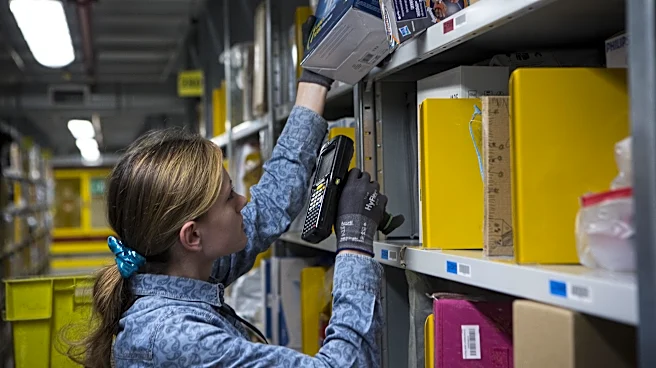
Responsibilities include functions such as receiving, picking, packing, shipping, staging, transporting, storing, and delivering goods. The company emphasizes the efficient flow of products from vendor receipt to shipment to various internal and external customers. For instance, the Associate II, Warehouse Ops role assists with inbound and outbound activities, including unloading trucks using pallet jacks, checking in products with the Manhattan Warehouse Management System, storing products using order pickers, and loading outbound trucks. Specific requirements for handling specialty and refrigerated products are also noted. Cardinal Health is open to candidates with little to no prior warehouse experience, providing all necessary training from the first day, and seeks individuals comfortable in fast-paced, goal-oriented environments. The company offers a comprehensive benefits package, including medical, dental, and vision coverage, paid time off, a 401k savings plan, and access to wages before payday.
Why It's Important?
These hiring initiatives by Cardinal Health are significant for several reasons. Firstly, they highlight the ongoing demand for skilled and adaptable labor within the logistics and supply chain sectors, particularly in roles that blend traditional manual tasks with modern automated systems. This trend reflects the broader industry shift towards optimizing warehouse efficiency through technology while still requiring human oversight and intervention. Secondly, by offering comprehensive training and being open to candidates without prior experience, Cardinal Health is contributing to workforce development and providing entry-level opportunities in a critical industry. This approach can help address labor shortages and foster a more inclusive workforce. The robust benefits package also underscores the company's commitment to attracting and retaining talent, which is crucial for maintaining operational continuity and service levels in a competitive market. The efficiency of warehouse operations directly impacts the timely delivery of essential healthcare products, making these roles vital to public health infrastructure.
What's Next?
Cardinal Health will continue to onboard and train new Warehouse Associates, integrating them into their existing operational frameworks. The focus will likely remain on optimizing the balance between manual and automated processes to enhance productivity and accuracy in product handling. New hires will undergo training on specific warehouse management systems, such as Manhattan WMS, and learn company-specific protocols for product storage and shipment, including specialized handling for temperature-controlled goods. The company may also explore further automation technologies to streamline workflows, potentially leading to evolving skill requirements for future warehouse roles. As the supply chain landscape continues to evolve, Cardinal Health will likely adapt its training programs to ensure its workforce is equipped to handle new technologies and operational demands, maintaining its capacity to efficiently distribute healthcare products across its network.
Beyond the Headlines
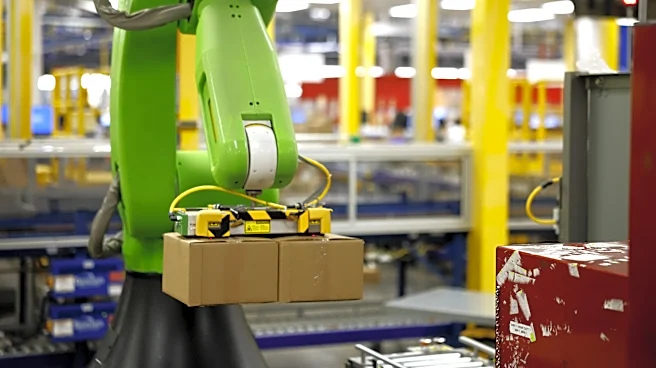
The ongoing need for warehouse associates at companies like Cardinal Health points to deeper trends in the U.S. economy, particularly the increasing complexity and importance of supply chain logistics. The blend of manual and automated tasks in these roles signifies a transitional phase in industrial operations, where human labor is augmented by technology rather than entirely replaced. This creates a demand for a workforce that is both physically capable and adaptable to technological tools. Furthermore, the emphasis on efficient product flow, especially for healthcare supplies, highlights the critical role of logistics in national infrastructure and public well-being. Disruptions in warehousing can have far-reaching consequences, affecting everything from medical supply availability to consumer goods. The investment in training and benefits by major employers like Cardinal Health also sets a precedent for labor standards in the logistics sector, potentially influencing other companies to enhance their employee offerings to attract and retain talent in a competitive market.