



What's Happening?
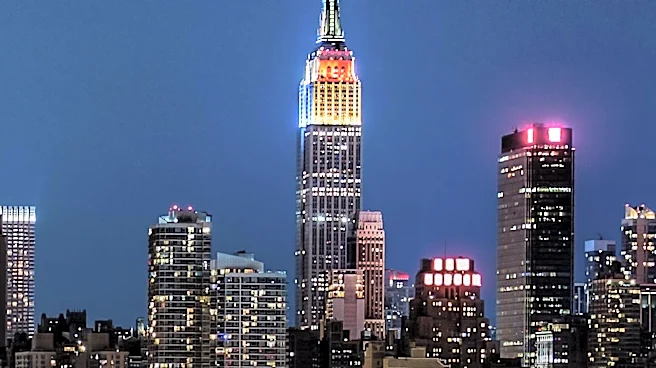
New York City is projected to experience substantial growth in its construction sector from 2026 to 2028, with residential development being a primary driver. The New York Building Congress forecasts $79.8 billion in construction spending by the end of
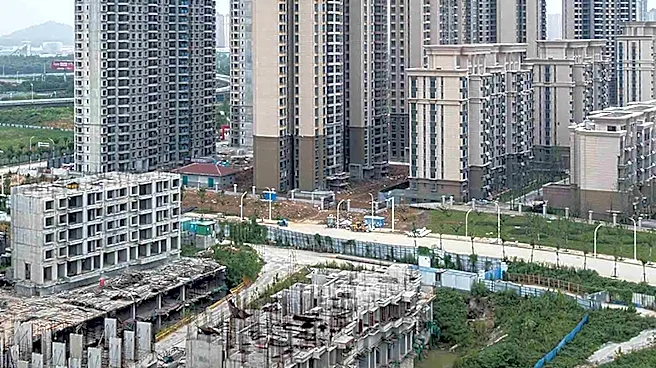
2026, a $10 billion increase from the previous year. Residential construction is expected to account for approximately 72% of the total floorspace built in 2026, marking a shift where new projects, particularly large residential buildings in rezoned areas, are leading this growth. Building permits for nearly 31,500 new housing units are anticipated in 2026, a significant increase from the average of 20,000 units per year between 2020 and 2025. This surge is attributed to large-scale rezonings, the 'City of Yes' initiative reducing zoning hurdles, and a growing number of office-to-residential conversions, especially in Midtown.
Why It's Important?
This projected growth in residential construction is crucial for addressing New York City's persistent housing shortage. The increase in housing units, partly fueled by the conversion of underutilized office spaces, helps to expand the housing supply within established business districts. This trend signifies a strategic adaptation of the city's real estate landscape to meet evolving demands, transforming commercial properties into much-needed homes. The economic impact is substantial, with residential investment in new development, rehabilitation, and interior renovation expected to comprise 34% of total construction spending in 2026, up from 30% in the prior year. This shift also indicates a potential rebalancing of the city's real estate market, where residential spending is forecasted to outpace non-residential spending for the first time in a decade, driven by high housing demand.
What's Next?
The New York Building Congress anticipates continued growth in construction spending, reaching $81 billion in 2027 and $82 billion by 2028 (inflation-adjusted). Residential spending is projected to increase by 64% from 2026 to 2028, totaling an additional $32 billion. Further housing growth could be stimulated by improvements to the 485-x tax incentive program and additional rezonings around upcoming transportation hubs. While new office construction remains strong with several large projects planned, the overall trend points towards a sustained focus on residential development. The industry will need to monitor factors such as interest rates, material costs, and potential changes in federal infrastructure funding, which could influence the pace and financial viability of future projects. The city's commitment to land-use reforms and streamlined project approvals will be critical in sustaining this momentum.
Beyond the Headlines
The significant push for office-to-residential conversions in New York City reflects a broader national trend of repurposing commercial real estate in response to changing work patterns and housing crises. This adaptive reuse not only provides housing but also contributes to urban revitalization by bringing more residents into downtown areas, potentially boosting local economies and creating more vibrant, 24/7 neighborhoods. However, it also presents complex challenges, including the structural and logistical difficulties of converting older office buildings, ensuring adequate infrastructure for increased residential density, and addressing the financial viability of such projects. The long-term success will depend on effective urban planning that integrates these new residential spaces with essential services, green spaces, and transportation, fostering sustainable and equitable urban development.