








What's Happening?
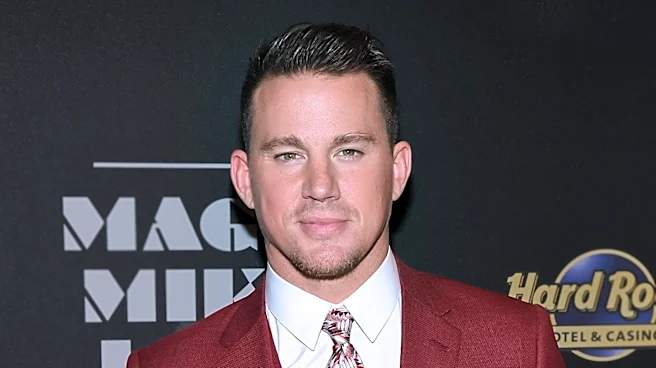
Channing Tatum has characterized his experience filming the 2014 Oscar-nominated movie 'Foxcatcher' as "suffocating" and "confusing." The film, directed by Bennett Miller, is based on the true story of Olympic wrestling brothers Mark and Dave Schultz
and their time at billionaire John du Pont’s training camp. Tatum portrayed Mark Schultz, a role that required him to embody a reserved and mentally high-strung character. During production, the real Mark Schultz was present on set, which Tatum found to be a complex and at times non-congruent experience, despite providing some insights. The movie itself is described as unapologetically stuffy, featuring uncomfortable conversations and long pauses, reflecting the claustrophobic atmosphere Tatum felt. The grim nature of the story, culminating in du Pont's murder of Dave Schultz, contributed to the difficult ordeal for Tatum, who also had to endure the physical demands of portraying an Olympic wrestler.
Why It's Important?
This insight into Channing Tatum's acting process highlights the intense psychological and physical demands that certain roles can place on actors, even those known for lighter fare. It underscores the difference between portraying a character and embodying a real person, especially when that person is present during filming and the story involves traumatic events. For the film industry, it sheds light on the potential challenges of bringing true crime stories to the screen, particularly when the real-life subjects are involved. Tatum's candid remarks offer a rare glimpse into the emotional toll that method acting or deeply immersive roles can take, potentially influencing how actors approach such projects and how studios manage the well-being of their talent. It also reinforces the idea that critical acclaim and Oscar nominations do not always equate to a comfortable or enjoyable production experience for those involved.
What's Next?
While Tatum has stated he never wants to wrestle again, he has continued to engage in physically demanding roles, such as the 'Magic Mike' series, 'Dog,' and upcoming superhero roles like Gambit in 'Deadpool & Wolverine' and 'Avengers: Doomsday.' This indicates a continued commitment to pushing his physical boundaries for his craft, even if the emotional intensity of 'Foxcatcher' was a unique challenge. The experience may influence his future role selections, potentially leading him to seek out projects that, while still challenging, might offer a different kind of creative environment. For audiences, this revelation could deepen their appreciation for the performances in 'Foxcatcher,' understanding the personal investment Tatum made. It also sets a precedent for discussions around actor welfare in emotionally taxing productions.
Beyond the Headlines
Tatum's experience with 'Foxcatcher' delves into the ethical considerations of portraying real-life trauma, especially when the survivors are involved in the production. The presence of Mark Schultz on set, while intended to provide authenticity, created a complex dynamic that blurred the lines between actor and subject, and between past trauma and present recreation. This raises questions about the psychological support mechanisms available to actors in such roles and the potential for re-traumatization for real-life individuals involved. Furthermore, it highlights the broader cultural fascination with true crime and the responsibility of filmmakers to handle such sensitive material with care, considering the impact on both the performers and the real people whose stories are being told. The "suffocating" nature of the experience speaks to the immersive, and sometimes overwhelming, power of storytelling.