



What's Happening?
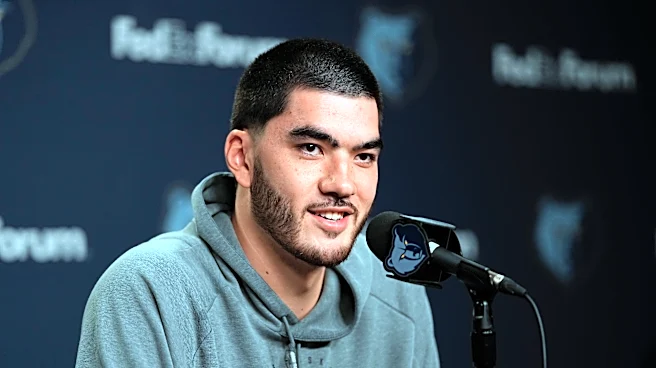
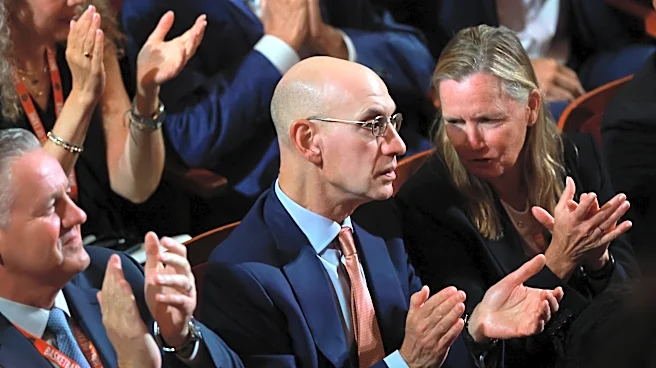
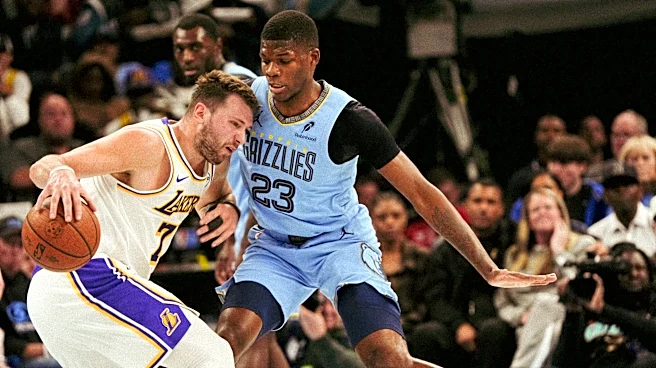
NBA Commissioner Adam Silver recently discussed the possibility of the Memphis Grizzlies playing some games in Nashville, Tennessee, during an appearance on the 'Pardon My Take' podcast. This conversation follows earlier comments from NBA all-time leading
scorer LeBron James, who, while playing golf on the YouTube channel 'Bob Does Sports,' advocated for the Grizzlies to relocate from Memphis to Nashville. James highlighted Nashville's amenities, including Vanderbilt University and NASCAR, as reasons for a potential move. Silver clarified that there are no current plans to move the Grizzlies permanently to Nashville. However, he expressed enthusiasm for Nashville as a rising city and stated his desire for the Grizzlies to play a few games annually in Nashville, effectively becoming 'Tennessee's team' to some extent. This discussion comes as the Memphis Grizzlies are holding their preseason training camp at Belmont University in Nashville for the second consecutive year.
Why It's Important?
The discussion about the Memphis Grizzlies potentially playing games in Nashville carries significant implications for both cities and the NBA's regional strategy. For Nashville, hosting NBA games, even on a limited basis, could further elevate its status as a major sports market and potentially pave the way for future expansion or relocation considerations. It would also provide a boost to the local economy through increased tourism and event revenue. For Memphis, while a full relocation is not on the table, the idea of sharing games could be seen as a dilution of their exclusive NBA presence, potentially impacting local fan engagement and civic pride. For the NBA, exploring regional team identities, as suggested by Silver's 'Tennessee's team' comment, could be a strategy to broaden fan bases and market reach within states that have only one NBA franchise. This approach could test the waters for how a team can represent an entire state rather than being solely tied to one city, potentially increasing viewership and merchandise sales across a wider geographic area.
What's Next?
While NBA Commissioner Adam Silver has indicated no immediate plans for a full relocation of the Memphis Grizzlies, his openness to the team playing a few games annually in Nashville suggests that discussions or explorations into this possibility may continue. The Grizzlies' continued use of Belmont University in Nashville for their preseason training camp could serve as a practical test bed for increased presence in the city. Future steps might involve formal proposals or pilot programs for a limited number of regular-season games to be held in Nashville. The reaction from both Memphis and Nashville fan bases, as well as local government and business leaders, will likely influence any further decisions. The NBA will likely monitor the success of events like the training camp and any potential exhibition games in Nashville to gauge the viability and public reception of a more expanded presence for the Grizzlies in the city.
Beyond the Headlines
The conversation surrounding the Memphis Grizzlies and Nashville touches upon broader trends in professional sports regarding market expansion, regional identity, and the economic impact of franchises. The idea of a team representing an entire state, rather than just its home city, reflects a growing strategy to maximize fan engagement and revenue in an increasingly competitive entertainment landscape. This approach could lead to a re-evaluation of traditional franchise models, where teams are deeply rooted in a single metropolitan area. Furthermore, the influence of prominent figures like LeBron James in public discussions about team locations highlights the significant power athletes wield beyond their on-court performance. The use of podcasts like 'Pardon My Take' as platforms for NBA Commissioner Adam Silver to address such topics also underscores the evolving media landscape and how sports leagues communicate with their audiences, moving beyond traditional press conferences to more informal and widely accessible channels.