





What's Happening?
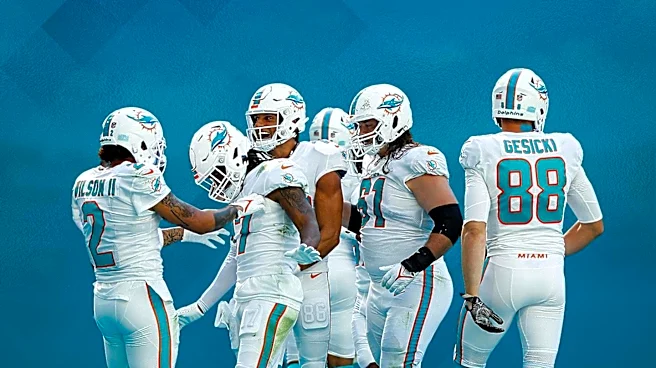
The Miami Dolphins have received a 'C' grade for their 2026 offseason moves from NFL.com, with critics labeling the team's strategy as 'disjointed.' The Dolphins' management, however, has been transparent about their goal to get younger and cheaper, which
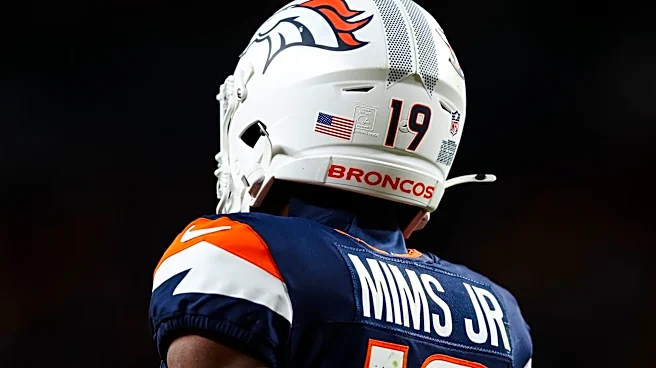
aligns with their recent decisions. Key moves include signing quarterback Willis to a three-year deal, extending Achane for four years, and trading Waddle to Denver. Additionally, the team traded down in the first round, passing on defensive prospect Caleb Downs. Despite the criticism, the Dolphins' management believes these moves are part of a cohesive strategy to build a younger, more cost-effective team.
Why It's Important?
The Dolphins' offseason strategy reflects broader trends in the NFL where teams are increasingly focused on financial sustainability and long-term planning. By prioritizing younger, less expensive players, the Dolphins aim to build a competitive team under the constraints of the salary cap. This approach could influence other teams facing similar financial pressures. The criticism highlights the tension between immediate performance expectations and long-term strategic goals, a common challenge in professional sports management.
What's Next?
The Dolphins will continue to implement their rebuilding strategy, with the potential for further roster changes as they evaluate the effectiveness of their offseason moves. The team's performance in the upcoming season will be closely watched to assess the success of their strategy. Stakeholders, including fans and analysts, will be looking for signs of improvement and cohesion on the field, which could validate the management's approach.