
What's Happening?
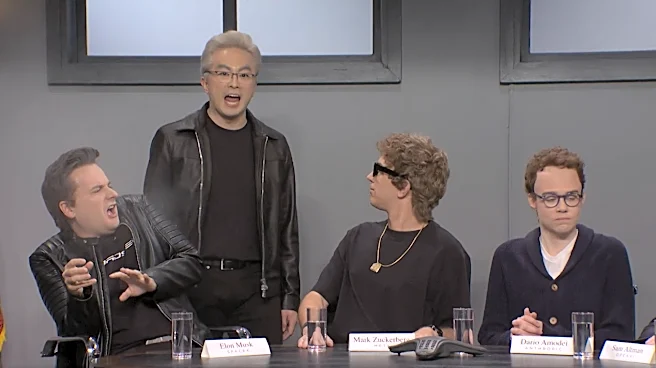
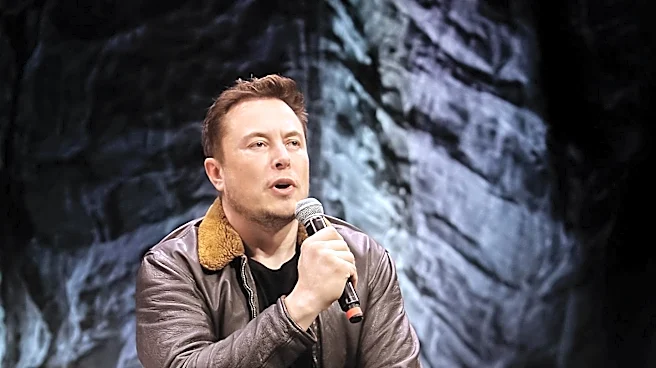
Elon Musk, CEO of Tesla and SpaceX, publicly criticized NBC's Saturday Night Live (SNL) on X after the show featured a sketch mocking tech billionaires, including a caricature of himself. The sketch, a cold
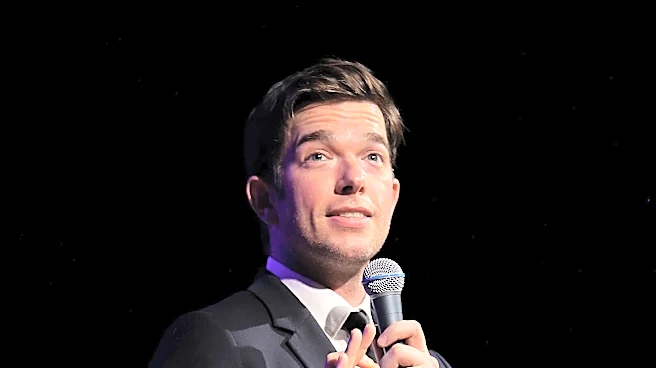
open, depicted tech executives receiving a CIA briefing on how to avoid being compromised by attractive spies, following the fictional resignation of Nvidia CEO Jensen Huang due to affairs. John Mulaney played the CIA official, while Jeremy Culhane portrayed an excitable version of Musk who had to be sprayed with water. Other tech figures parodied included Anthropic CEO Dario Amodei, Meta CEO Mark Zuckerberg, Peter Thiel, and OpenAI CEO Sam Altman. Musk responded to a clip of the sketch with 'lol' and shared a Venn diagram implying a lack of overlap between 'HUMOR' and 'SNL.' He also amplified another user's criticism that the show's sketches were consumed by political 'hate' and that insults were not funny, to which Musk replied, 'Exactly.' This reaction comes five years after Musk himself hosted SNL in May 2021, where he used his monologue to joke about his public image and speaking style.
Why It's Important?
This incident highlights the ongoing tension between public figures, particularly those in the tech industry, and satirical media. Elon Musk's direct criticism of SNL, a long-standing American cultural institution, underscores the evolving landscape of public discourse where prominent individuals can immediately respond to media portrayals on platforms like X. For SNL, being a target of criticism from a figure it parodies is not new, but Musk's response, especially given his past hosting role, adds a layer of complexity. It also reflects a broader societal debate about the role of satire in holding powerful figures accountable versus perceived unfair or politically motivated attacks. The sketch itself, by focusing on the vulnerabilities and perceived hubris of tech billionaires, taps into public sentiment regarding the immense influence and personal conduct of these individuals, particularly in the context of national security concerns like foreign espionage.
What's Next?
The immediate aftermath will likely involve continued discussion on social media platforms regarding Musk's reaction and SNL's comedic approach. SNL may or may not address Musk's criticism in future episodes, potentially through further satirical commentary or by ignoring it. This exchange could influence how other public figures react to similar portrayals in media, potentially leading to more direct engagement or pushback. For the tech industry, the sketch and its reception might prompt internal discussions about public perception and the personal conduct of executives, especially concerning issues of security and influence. The broader conversation about the intersection of wealth, power, and public image is expected to continue, with satirical shows like SNL serving as a barometer for societal attitudes.
Beyond the Headlines
The interaction between Elon Musk and SNL delves into deeper implications concerning the nature of celebrity, power, and media in the digital age. Musk's ability to instantly broadcast his displeasure to millions on X exemplifies how traditional media outlets now contend with direct, unfiltered responses from their subjects, bypassing conventional media cycles. This blurs the lines between critique and counter-critique, potentially influencing public opinion more rapidly. Furthermore, the sketch's theme of tech executives being susceptible to compromise touches upon ethical and national security concerns surrounding the immense data and technological power wielded by these companies and their leaders. It implicitly questions the accountability and oversight of individuals who, as the sketch's CIA official noted, have gone from 'bug-eyed little weirdos to being gods,' highlighting a cultural shift in how society views its most influential figures.