
What's Happening?
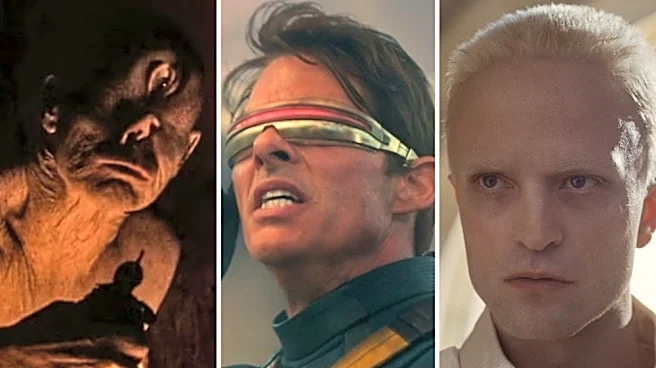
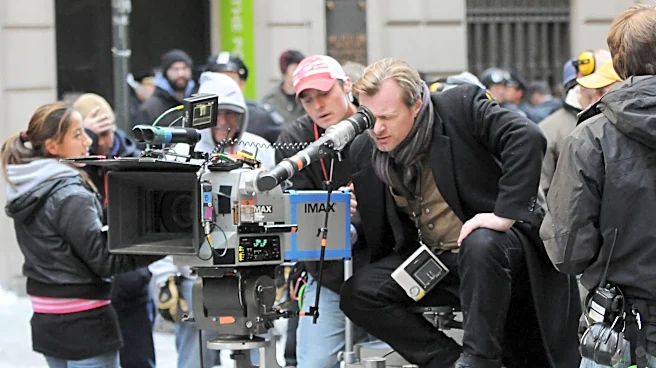
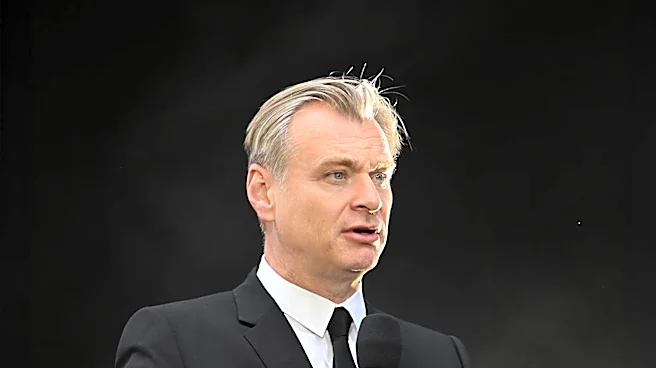
A new film titled 'The Odyssey' (2026), directed by Christopher Nolan, has premiered, offering a reimagined narrative of Odysseus' return home to Ithaca after the fall of Troy. This cinematic interpretation
deviates significantly from Homer's original epic and other ancient literary and visual sources, prompting considerable discussion among classicists, literature scholars, archaeologists, and film studies experts. Trinity College Dublin is hosting a panel discussion to explore various aspects of Nolan's film in relation to the enduring power of Homer's epic poems. The panel will feature specialists in Greek literature, archaeology, and film studies, including Martine Cuypers, Alastair Daly, Lisa Doyle, Aaron Hunter, and Christine Morris. This event is part of Trinity’s EU Presidency activities, linking Dublin with Greece.
Why It's Important?
The release of Christopher Nolan's 'The Odyssey' and the subsequent academic discussions highlight the ongoing cultural relevance and adaptability of classical literature in contemporary media. This reimagining by a prominent director like Nolan can introduce Homer's epic to new audiences, potentially sparking renewed interest in ancient Greek mythology and history. For classicists and scholars, it provides a modern lens through which to analyze the original text, examining how themes, characters, and narratives are reinterpreted and the implications of such changes. The debate also underscores the dynamic relationship between ancient sources and modern artistic expression, demonstrating how foundational stories continue to inspire and challenge contemporary creators and audiences. The involvement of academic institutions like Trinity College Dublin in these discussions emphasizes the intellectual engagement with popular culture and its impact on scholarly fields.
What's Next?
The panel discussion at Trinity College Dublin is scheduled to delve into specific aspects of Nolan's 'The Odyssey' that relate to the panelists' areas of expertise in literature, archaeology, and film studies. This event is expected to foster further academic discourse and potentially influence future interpretations or studies of Homer's work in a modern context. The ongoing conversations among classicists and film experts will likely continue to explore the film's fidelity to the source material, its artistic merits, and its broader cultural impact. The film's release and the subsequent academic engagement could also inspire other filmmakers to tackle classical narratives, leading to a new wave of adaptations and interpretations.
Beyond the Headlines
The reimagining of 'The Odyssey' by Christopher Nolan touches upon deeper implications regarding the ownership and interpretation of cultural heritage. When a widely recognized director reinterprets a foundational text, it raises questions about artistic license versus historical and literary accuracy. This can lead to a re-evaluation of how ancient narratives are preserved, taught, and understood in a rapidly evolving media landscape. The discussions among scholars also highlight the interdisciplinary nature of humanities, where film studies, literature, and archaeology converge to analyze a single cultural product. Furthermore, the event's connection to Trinity’s EU Presidency activities suggests a broader cultural diplomacy effort, using classical literature and contemporary film to bridge cultural understanding and academic exchange between nations.