




What's Happening?
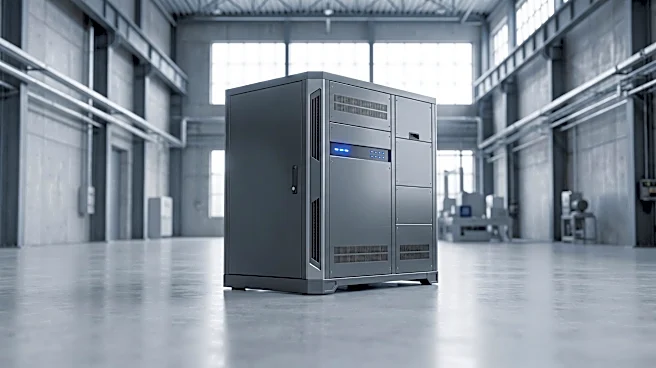
Moment Energy has introduced Nova, a modular battery energy storage system (BESS) designed for industrial facilities, businesses, and larger energy infrastructure projects, utilizing repurposed electric vehicle (EV) batteries. Nova is reportedly the first
energy storage system using second-life EV batteries to achieve both UL 1973 and UL 9540 certifications, addressing safety requirements for deploying used batteries in stationary applications. Production has commenced at Moment Energy's Megafactory 1, with initial customer deliveries slated for the first quarter of 2027. The system aims to help businesses manage electricity expenses, control peak demand, and maintain operations during grid disruptions. Moment Energy's approach extends the useful life of EV battery packs that are no longer suitable for automotive use but retain sufficient capacity for stationary storage. Each Nova unit provides 200 kilowatts (kW) of power and 500 kilowatt-hours (kWh) of energy storage, with multiple units combinable for capacities reaching tens of megawatt-hours.
Why It's Important?
The introduction of Nova by Moment Energy signifies a significant step towards sustainable energy solutions and circular economy principles within the energy sector. By repurposing EV batteries, the system offers an alternative to manufacturing entirely new batteries, potentially reducing waste and the environmental impact associated with battery production. This approach could provide a more cost-effective energy storage option for commercial and industrial sectors facing increasing electricity demand and the need for reliable power management. The UL certifications for Nova are crucial, as safety compliance has been a persistent concern for second-life battery storage systems, particularly those combining batteries with varied operating histories. These certifications provide a framework for evaluating safety, which can accelerate the adoption of repurposed battery technology. Furthermore, Moment Energy is positioning Nova as a domestically sourced product, manufactured in North America using repurposed EV batteries, which could offer advantages for commercial customers navigating battery supply chain requirements and potentially qualify for federal Investment Tax Credits.
What's Next?
Moment Energy is scheduled to begin initial customer deliveries of its Nova battery energy storage system in the first quarter of 2027. The company plans to expand the deployment of Nova across various commercial and industrial applications, including backup power, peak-demand management, and grid services. The long-term success of Nova will depend on its ability to deliver competitive operating costs and reliability compared to conventional lithium-ion storage systems, especially as new battery prices, technology, and supply chains continue to evolve. Moment Energy intends to maintain system performance as batteries age through its capacity augmentation service and swappable battery architecture. Project developers will need to evaluate Nova's eligibility against applicable federal regulations and project-specific conditions to leverage potential federal incentives. The performance of these commercial installations in early 2027 will provide crucial data on the long-term viability and economic benefits of repurposed EV batteries in stationary energy storage applications.
Beyond the Headlines
The emergence of systems like Nova highlights a growing trend in leveraging existing resources to address new challenges, specifically in energy storage. This approach not only offers environmental benefits by extending the lifecycle of EV batteries but also creates a new market for 'second-life' battery technology. The development of sophisticated AI-powered battery management systems, which monitor and adjust operations for packs from different EV platforms, is critical for overcoming the variability inherent in repurposed batteries. This innovation could lead to broader acceptance and deployment of such systems. Furthermore, the emphasis on domestic sourcing and compliance with Foreign Entity of Concern (FEOC) requirements reflects a strategic response to evolving geopolitical and economic landscapes, aiming to secure supply chains and capitalize on national incentives. This could foster a more resilient and localized energy storage industry, reducing reliance on foreign suppliers and promoting domestic technological advancement in sustainable energy solutions.