








What's Happening?
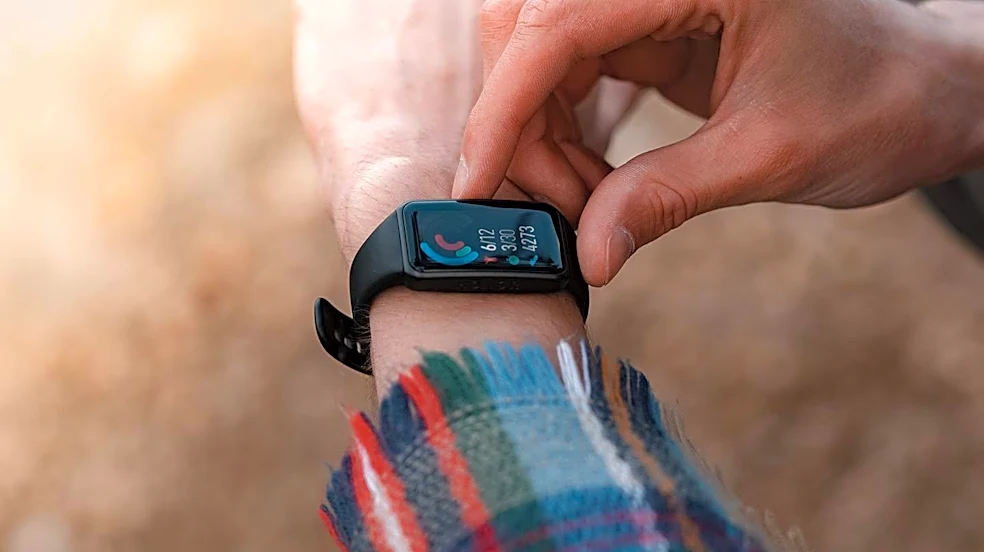
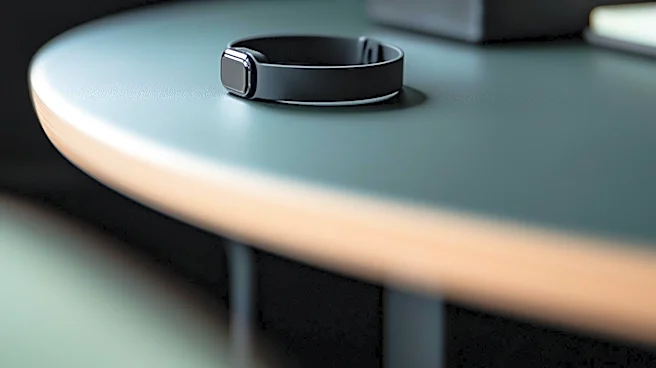
Suunto, a known manufacturer of smartwatches, is reportedly developing a new screenless fitness tracker, codenamed HR264, which could directly compete with devices like WHOOP. Leaks from regulatory databases in the UAE, South Korea, and Singapore indicate
that the device is a rechargeable optical heart rate monitor designed for 24/7 recovery tracking. While specific details such as product name, price, and full feature list remain unknown, certification photos suggest the device measures approximately 44mm in height and 30mm in width. A key differentiator for Suunto's potential offering is the possibility of avoiding the expensive subscription model prevalent with competitors like WHOOP. Suunto's current app is free, with an optional paid AI coach, suggesting a similar approach for the HR264.
Why It's Important?
This potential entry by Suunto into the screenless fitness tracker market is significant as it could intensify competition and disrupt the current subscription-heavy model dominated by players like WHOOP. If Suunto offers a device without a mandatory subscription, it could attract a segment of consumers hesitant to commit to ongoing fees, thereby expanding the market for advanced health tracking. This move could pressure existing companies to re-evaluate their pricing strategies and subscription offerings, potentially leading to more consumer-friendly options. Suunto's established reputation in heart rate monitoring from its smartwatches suggests it could bring a credible and accurate product to this niche, further validating the demand for screenless, data-focused wearables. The success of such a device could influence future product development across the wearable technology industry.
What's Next?
The Suunto HR264 is reportedly still 'months away' from launch, giving the company time to refine the device and its accompanying app. As more details emerge, the market will closely watch Suunto's pricing strategy, particularly whether it will indeed forgo a mandatory subscription. Competitors like WHOOP, Garmin, and Fitbit will likely monitor Suunto's progress and adjust their own strategies accordingly, especially if the HR264 gains traction. The launch of this device could spark a new wave of innovation in screenless wearables, focusing on enhanced sensor technology, battery life, and app-based user experiences. Consumers can anticipate more choices and potentially more competitive pricing in the screenless fitness tracker segment in the coming year.
Beyond the Headlines
The emergence of screenless fitness trackers like the rumored Suunto HR264 signifies a growing trend towards unobtrusive, continuous health monitoring. This shift moves beyond the traditional smartwatch paradigm, focusing purely on data collection and analysis rather than on-device interaction. The potential for Suunto to offer this without a subscription challenges the prevailing business model in this segment, raising questions about the long-term sustainability of subscription-only services for hardware-dependent devices. This could lead to a re-evaluation of how value is perceived and delivered in wearable tech – whether it's primarily through hardware, software, or a combination. Furthermore, the focus on heart health and recovery tracking highlights a broader societal interest in proactive health management and personalized wellness insights, pushing the boundaries of what consumer-grade wearables can offer.