





What's Happening?
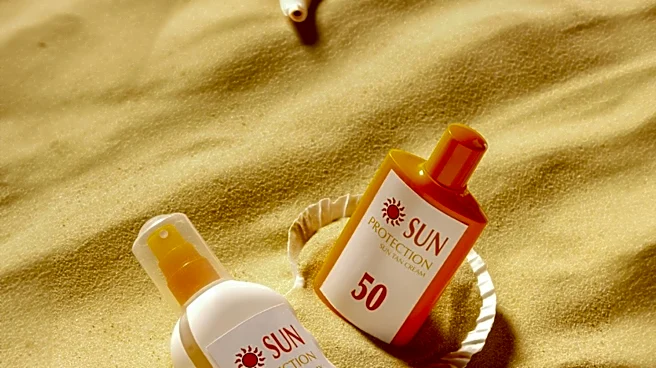
Korean sunscreen sticks are increasingly recognized for their effectiveness in oil control and robust UV protection, particularly for individuals with oily or combination skin. These products, often featuring SPF 50+/PA++++, are designed to provide portable
sun protection while simultaneously reducing shine and excess sebum, resulting in a matte finish. The Hwahae ranking, which reflects popular products in Korea, highlights several such sticks, including d'Alba Air Fit Fresh Sun Stick and MEDIHEAL MADECASSOSIDE SUN STICK AIRY-FIT. These sunscreens are formulated to be non-comedogenic and oil-free, making them suitable for acne-prone skin. Users are advised to reapply these sticks every two hours during sun exposure or after activities like swimming or sweating to maintain optimal protection and oil control.
Why It's Important?
The growing popularity of Korean sunscreen sticks in the U.S. market signifies a shift in consumer preferences towards specialized skincare solutions that address both sun protection and specific skin concerns like oiliness and acne. This trend impacts the beauty and personal care industry by driving innovation in product formulation and delivery methods. For consumers, these products offer a convenient and effective way to integrate sun protection into their daily routines, especially those who previously avoided sunscreen due to concerns about greasiness or breakouts. The emphasis on non-comedogenic and oil-free formulations caters to a significant segment of the population with acne-prone skin, potentially leading to better skin health outcomes and reduced sun damage. The success of these Korean products could also influence U.S. manufacturers to develop similar specialized sun care options.
What's Next?
The continued success of Korean sunscreen sticks is likely to lead to an expansion of their availability in the U.S. market, both through online retailers and physical stores. We can anticipate increased competition as more brands, both Korean and domestic, introduce similar oil-controlling and high-SPF stick formulations. There may also be further innovation in ingredients and textures to cater to an even wider range of skin types and preferences. Educational campaigns from beauty influencers and dermatologists are expected to continue highlighting the benefits of these specialized sunscreens, particularly for acne-prone and oily skin. This could further solidify their position as a staple in daily skincare routines, potentially leading to higher adoption rates of consistent sun protection among U.S. consumers.
Beyond the Headlines
Beyond their immediate benefits, the rise of Korean sunscreen sticks reflects a broader cultural influence of K-beauty trends on the U.S. skincare market. This phenomenon highlights a consumer demand for sophisticated, multi-functional products that go beyond basic protection to offer targeted solutions for specific skin concerns. The emphasis on portability and ease of reapplication also speaks to a lifestyle shift towards convenience and efficiency in personal care. Furthermore, the rigorous SPF and PA ratings common in Korean sunscreens are setting new benchmarks for efficacy, potentially pushing U.S. regulatory bodies and manufacturers to re-evaluate and enhance their own sun protection standards. This could lead to a more informed consumer base that prioritizes comprehensive UV protection alongside other skincare benefits.