


What's Happening?
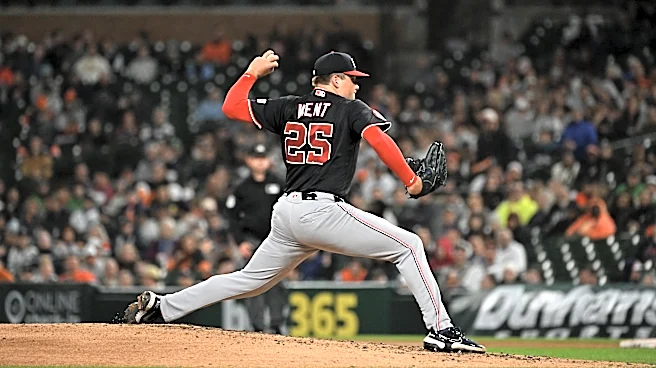
The Washington Nationals are reportedly hesitant to rely on Jake Irvin as a starting pitcher for the upcoming season, despite indications from President of Baseball Operations Paul Toboni that Irvin is in contention for a rotation spot. Irvin's performance
has declined significantly since a solid first half in 2024, with ERAs of 5.70 in 2025 and 5.48 in the current season. His velocity has decreased, and he has struggled with home runs. The team's player development staff believes Irvin can achieve a consistent 95 MPH velocity, and he is currently working in West Palm Beach to address this. However, there is skepticism regarding a significant improvement for a pitcher nearing 30 years old, given his multi-year track record of ineffectiveness as a starter. The Nationals are actively looking to upgrade their pitching staff through outside additions, including potential trades for controllable starting pitching, to align with their goal of competing for a Wild Card spot in 2027.
Why It's Important?
The Nationals' assessment of Jake Irvin's role highlights a critical decision point for the team's pitching strategy and overall competitiveness. Continuing with an underperforming starter could hinder their aspirations for a Wild Card spot in 2027, especially given the team's improved offensive outlook with players like CJ Abrams. The internal debate over Irvin's potential versus his recent performance underscores the challenges of player development and roster construction in professional baseball. The team's willingness to explore trades, even potentially involving key players like Dylan Crews, to acquire pitching talent demonstrates a commitment to addressing a significant weakness. This strategic focus on upgrading the pitching staff is crucial for the Nationals to transition from a rebuilding phase to a competitive one, impacting their win-loss record, fan engagement, and long-term financial viability through potential playoff revenue.
What's Next?
The Washington Nationals will need to make a definitive decision regarding Jake Irvin's role for the upcoming season, potentially moving him to the bullpen if his velocity issues persist. Concurrently, the team will intensify its search for external pitching talent, exploring trade options and potentially higher-risk free-agent fliers. The organization's expanded analytics department and new scouting hires will be instrumental in identifying and evaluating these potential acquisitions. The outcome of these pitching decisions will directly influence the team's ability to compete for a Wild Card spot in 2027, a stated goal for the Nationals. Fans and analysts will closely monitor the team's moves, particularly any trades or free-agent signings that could significantly alter the pitching rotation and bullpen composition.
Beyond the Headlines
The situation with Jake Irvin reflects a broader organizational challenge for the Nationals: balancing player development with the immediate need for competitive performance. The team's continued faith in Irvin's potential, despite his recent struggles, speaks to the complex nature of player evaluation and the hope that internal development can unlock untapped talent. However, the pressure to compete, as evidenced by the desire for a Wild Card spot, necessitates a pragmatic approach to roster construction. This internal tension between nurturing existing talent and acquiring proven performers from outside is a common dilemma in professional sports. The Nationals' ultimate decision on Irvin and their subsequent pitching acquisitions will not only impact their on-field success but also serve as a test of their new analytical and scouting infrastructure, demonstrating their ability to make tough choices for the long-term benefit of the franchise.