





What's Happening?
The Little Rock Regional Chamber has introduced a new initiative called 'Life in Little Rock,' designed to attract and retain skilled workers in central Arkansas. Unveiled at Riverfront Park, the campaign includes a dedicated website that features positive
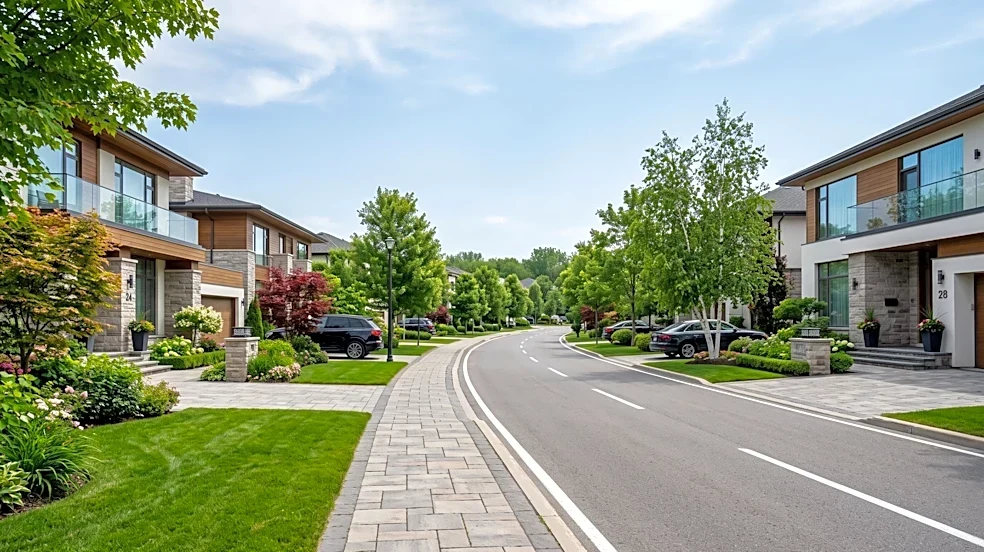
news stories, detailed breakdowns of local neighborhoods, and a cost-of-living calculator to compare Little Rock with other major U.S. cities. According to Jack Thomas CECD, Senior Vice President of Economic Development at the Little Rock Regional Chamber, the primary goal is to assist employers in recruiting talent and to help individuals find communities that align with their needs. The Chamber reports that the Little Rock Metro area has seen a significant increase of over 24,000 residents since 2020, alongside a 9.5% growth in employment. Furthermore, the region is reportedly attracting more working professionals from major U.S. markets than it is losing to them.
Why It's Important?
This initiative is crucial for the economic development and sustained growth of the Little Rock metropolitan area. By actively working to attract and retain skilled workers, the campaign addresses potential labor shortages and supports local businesses in their efforts to expand and innovate. A growing workforce contributes to a stronger tax base, increased consumer spending, and a more vibrant local economy. The focus on highlighting the quality of life and cost-of-living advantages positions Little Rock competitively against other U.S. cities, which is vital for long-term prosperity. The success of such campaigns can lead to a virtuous cycle of economic growth, where more jobs attract more people, who in turn create more demand for goods and services, further stimulating the economy. This also helps to diversify the local economy and reduce reliance on any single industry.
What's Next?
The 'Life in Little Rock' campaign is expected to continue its outreach efforts, utilizing its new website and promotional materials to reach a wider audience of prospective residents and workers. The Little Rock Regional Chamber will likely monitor key metrics such as new resident numbers, employment growth, and employer feedback to assess the campaign's effectiveness. Future phases might involve partnerships with local businesses, educational institutions, and community organizations to further enhance the region's appeal. The ongoing success of this initiative could lead to increased investment in local infrastructure, housing, and public services to accommodate the growing population. The Chamber may also explore targeted recruitment drives for specific industries or skill sets identified as critical for the region's economic future.
Beyond the Headlines
Beyond its immediate economic objectives, the 'Life in Little Rock' campaign reflects a broader trend among U.S. cities to proactively manage population shifts and talent migration. In an increasingly competitive national landscape for skilled labor, cities are recognizing the need to market themselves not just as places to work, but as desirable places to live. This initiative could foster a stronger sense of community pride and identity among current residents, as the positive aspects of Little Rock are highlighted. It also raises questions about the long-term sustainability of growth, including the need for adequate housing, transportation, and public services to support an expanding population. The campaign's emphasis on comparing cost of living also underscores the economic pressures faced by many Americans and how affordability can be a significant draw for regional development.