


What's Happening?
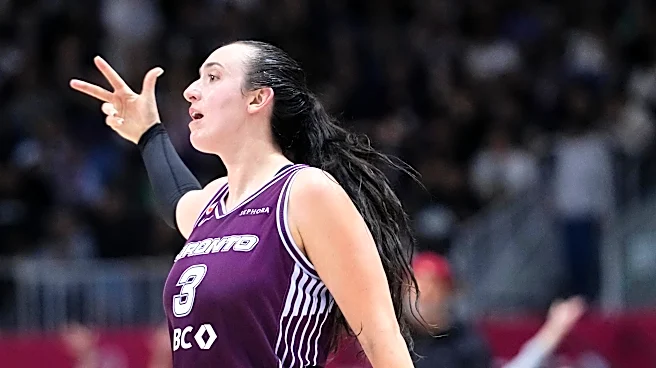
The Women's National Basketball Association (WNBA) is set to continue its season on July 5, 2026, with several key matchups. The Dallas Wings will face the Toronto Tempo at 3 p.m. Eastern, while the Indiana Fever will play against the Las Vegas Aces at 7
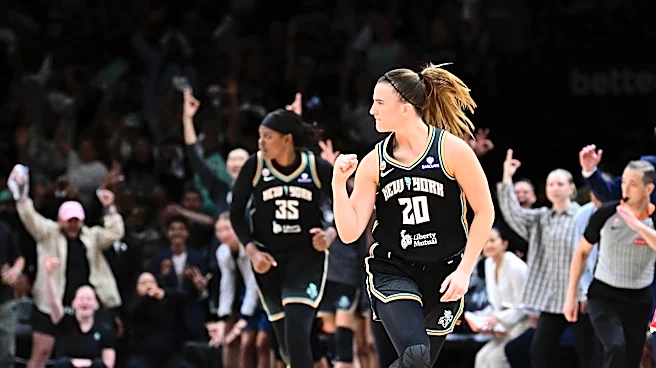
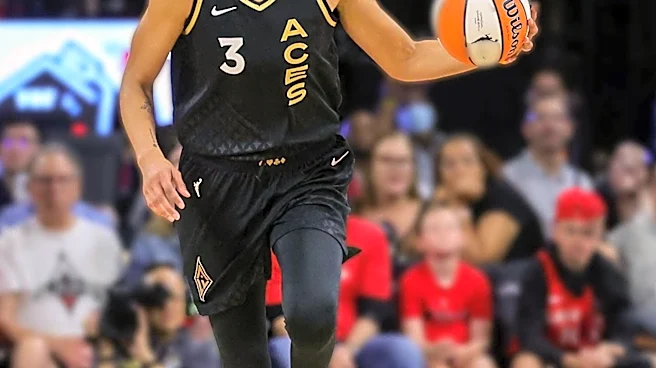
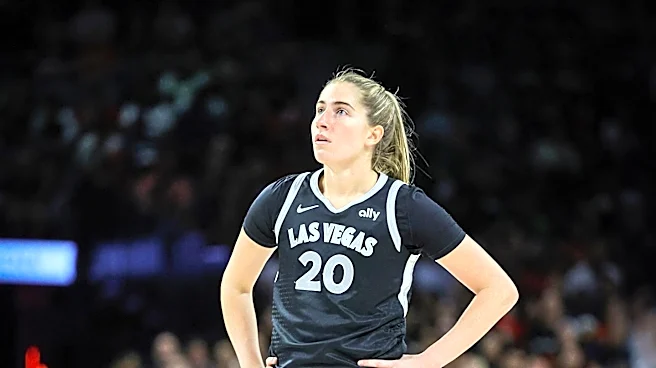
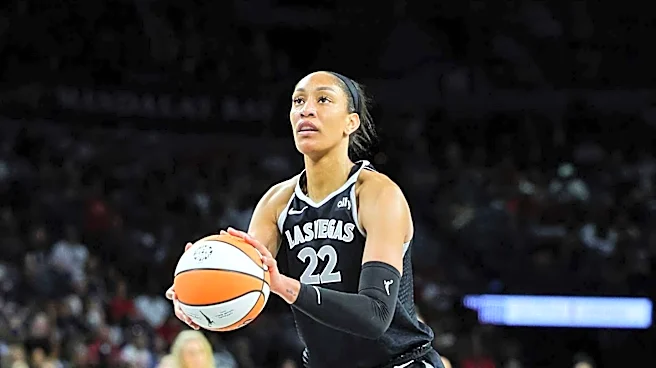
p.m. Eastern. These games are part of a season marked by a new collective bargaining agreement that has introduced million-dollar player contracts. The Las Vegas Aces, led by reigning MVP A'ja Wilson, are defending their championship title. Other teams, such as the Atlanta Dream, New York Liberty, and Indiana Fever, are also strong contenders this season. The Atlanta Dream recently acquired Angel Reese from the Chicago Sky, bolstering their roster after a successful 30-win season last year. Meanwhile, the New York Liberty is dealing with an injury to Sabrina Ionesco, who rolled her ankle in a preseason game.
Why It's Important?
The WNBA's new collective bargaining agreement represents a significant shift in the league's financial landscape, allowing for higher player salaries and potentially attracting more talent to the league. This development could enhance the competitiveness and visibility of women's basketball in the U.S. The Las Vegas Aces' attempt to defend their title adds excitement to the season, while the Atlanta Dream's strategic acquisition of Angel Reese highlights the dynamic nature of team strategies. The health of key players like Sabrina Ionesco will be crucial for teams like the New York Liberty, impacting their performance and playoff prospects. Overall, these developments could influence the league's popularity and financial success, affecting stakeholders such as players, teams, sponsors, and broadcasters.
What's Next?
As the season progresses, teams will continue to adapt to the new financial and competitive environment created by the collective bargaining agreement. The performance of teams like the Las Vegas Aces and the impact of new acquisitions like Angel Reese will be closely watched. Injuries, such as Sabrina Ionesco's, will be a critical factor in team strategies and outcomes. The league's ability to maintain fan engagement and attract new audiences will be essential for its growth. Additionally, the success of the new financial model could set a precedent for other women's sports leagues, potentially leading to broader changes in the sports industry.