




What's Happening?
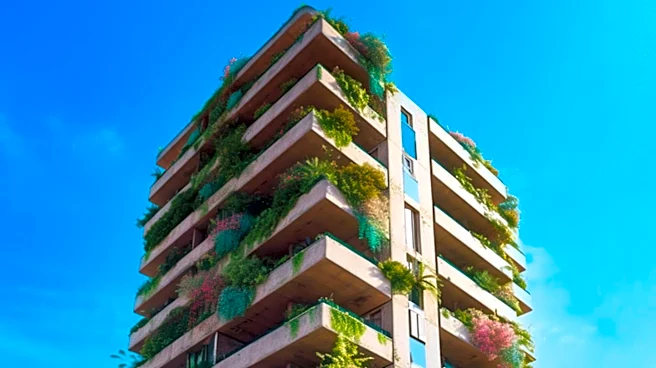
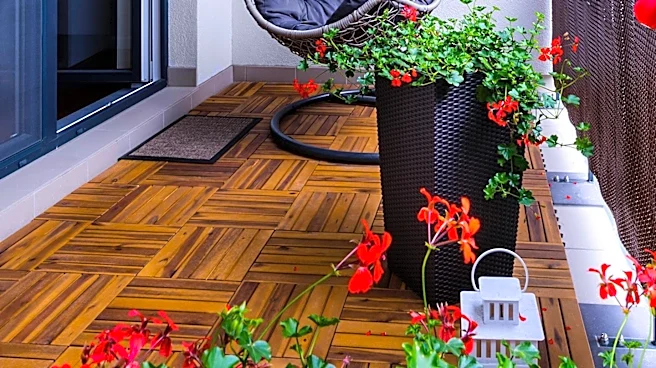
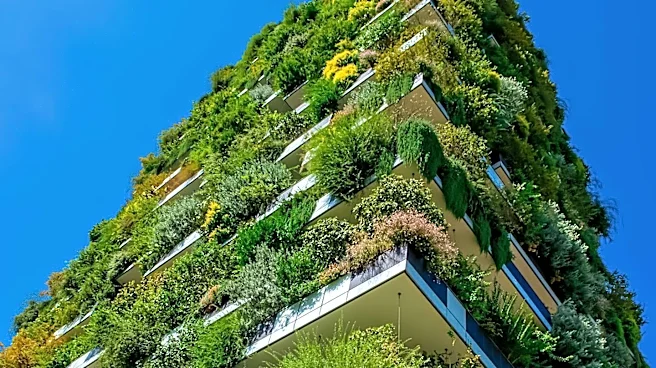
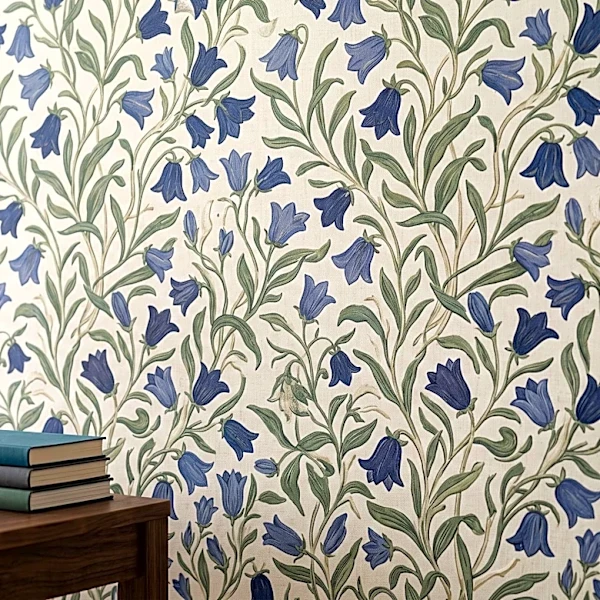
Biophilic design is an architectural and interior design approach that incorporates natural elements into built environments. This method aims to reconnect occupants with nature through features such as native plants in landscaping, natural materials
in interiors, and optimized daylight and ventilation. In landscaping, biophilic design can include native and adaptive plants, natural stone and wood, water features, green walls, and organic shapes. The goal extends beyond mere aesthetics, focusing on creating healthier, more comfortable, and more connected outdoor and indoor spaces. This design philosophy is being applied in various contexts, from residential architecture to educational institutions, to foster a stronger human connection to natural systems.
Why It's Important?
The integration of biophilic design is important due to its potential to significantly improve human well-being and environmental sustainability. By bringing nature into daily living and working spaces, it can create more comfortable environments, particularly in hot climates, by providing shade and cooling through evapotranspiration. It also fosters a deeper connection with nature, which can reduce stress and enhance overall mood. Furthermore, biophilic design often aligns with sustainable landscaping strategies, promoting biodiversity, efficient irrigation, water conservation, and the use of responsible, low-maintenance materials. This approach can transform buildings into active parts of the environment, offering both visual appeal and ecological benefits, and potentially leading to more productive and calming experiences for occupants.
What's Next?
The continued adoption of biophilic design is expected to expand across various sectors, including residential, commercial, and educational architecture. Future developments may see an increased focus on measurable outcomes, such as how living facades can serve as educational tools in schools, allowing students to observe seasonal growth, biodiversity, and environmental performance. There will likely be a growing emphasis on combining biophilic principles with climate-responsive landscaping, especially in regions with challenging environmental conditions like high temperatures and water scarcity. The industry will also need to address the risk of 'greenwashing,' ensuring that biophilic design elements genuinely deliver sustainability and well-being benefits rather than merely projecting an image of eco-friendliness.
Beyond the Headlines
Beyond the immediate benefits, biophilic design taps into the innate human tendency to connect with nature, known as the biophilia hypothesis. In an increasingly urbanized world, this design philosophy offers a vital bridge to the natural environment, providing a sense of tranquility and mindfulness. It challenges traditional architectural paradigms by viewing buildings not just as structures but as living environments that interact with and support natural systems. This shift can lead to long-term cultural changes in how we perceive and construct our living spaces, fostering a greater appreciation for ecological balance and sustainable living. The ethical dimension lies in ensuring that these designs are genuinely beneficial and not merely superficial additions, promoting a deeper, more integrated relationship between humanity and the natural world.