






What's Happening?
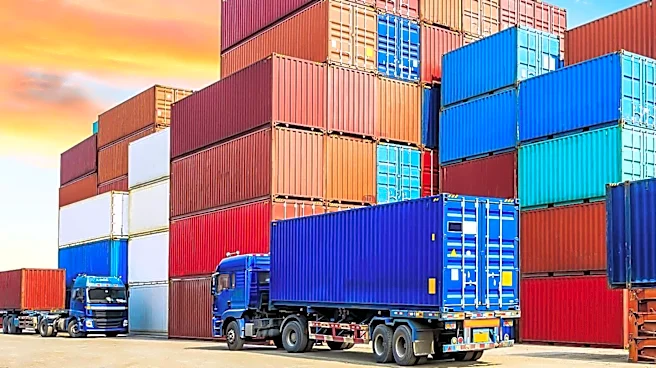
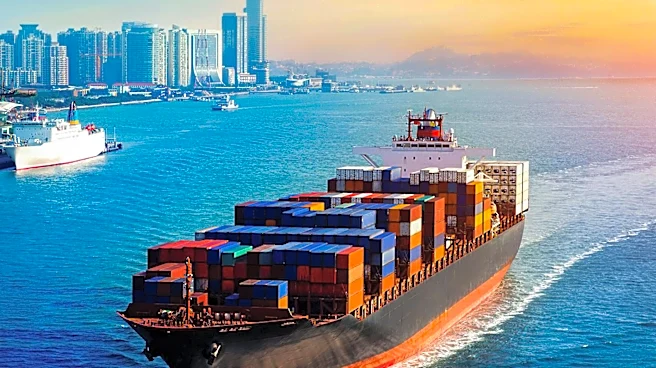
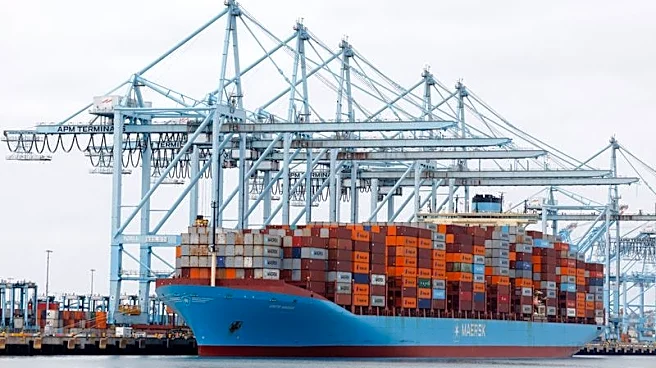
U.S. import levels are reaching unprecedented heights as retailers and manufacturers expedite shipments to avoid impending tariffs and cost hikes. According to Descartes Systems Group, a supply chain technology provider, import volumes exceeded 2.4 million
TEU in June, marking an over eight percent increase from the previous year. This surge is partly attributed to the anticipation of new tariffs following the expiration of President Trump's temporary 10 percent Section 122 tariffs on July 24. The National Retail Federation (NRF) highlights that despite economic challenges, consumer spending remains robust, prompting retailers to frontload shipments ahead of the peak season. The NRF's Global Ports Tracker indicates a significant rise in import volumes, with projections for July expected to surpass previous records. The ongoing conflict in Iran and rising fuel prices are also contributing to increased shipping costs.
Why It's Important?
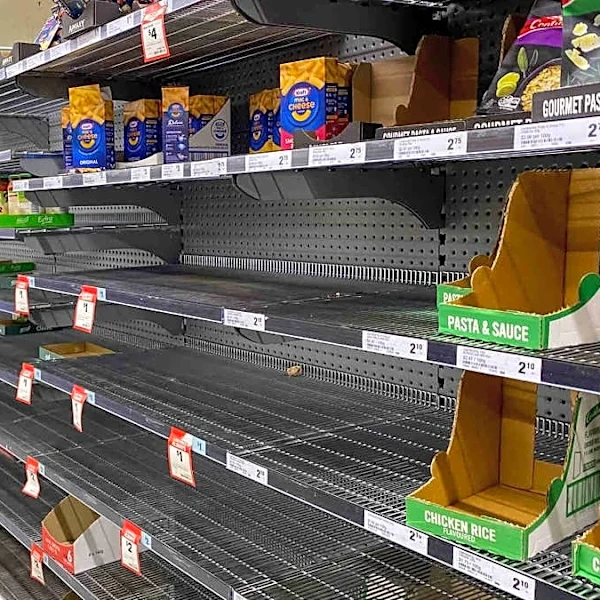
The current import surge underscores the strategic maneuvers by U.S. retailers to mitigate the impact of potential tariff increases and supply chain disruptions. As tariffs are poised to rise in response to claims of forced labor, businesses are accelerating imports to maintain inventory levels and manage costs. This trend reflects broader economic dynamics, where geopolitical tensions and policy shifts directly influence trade patterns. The NRF's data suggests that while the immediate impact may be a temporary boost in import volumes, the long-term effects could include higher consumer prices and altered supply chain strategies. Retailers are particularly focused on the back-to-school and holiday seasons, which are critical for annual sales, making the timing of these imports crucial.
What's Next?
As the expiration of the current tariffs approaches, the U.S. administration's plans to introduce new tariffs could further complicate trade dynamics. Retailers and importers are likely to continue frontloading shipments to avoid potential cost increases. The NRF anticipates a decline in import volumes from September to November, reflecting the typical seasonal slowdown and the impact of new tariffs. Stakeholders, including retailers and policymakers, will need to navigate these changes carefully to minimize disruptions. The ongoing geopolitical tensions and economic policies will remain key factors influencing future trade patterns and business strategies.