







What's Happening?
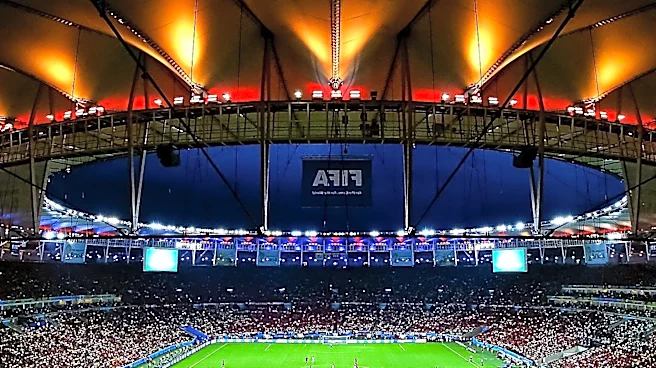
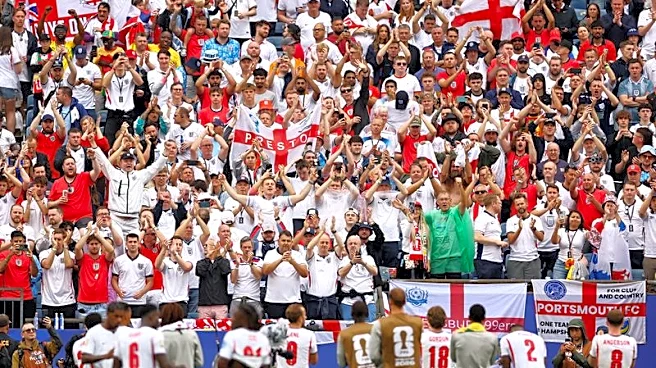
The World Cup has achieved a significant cultural impact by uniting diverse audiences globally, even before the final match is played. The tournament, featuring 48 teams across three host nations, has brought together people from different backgrounds,
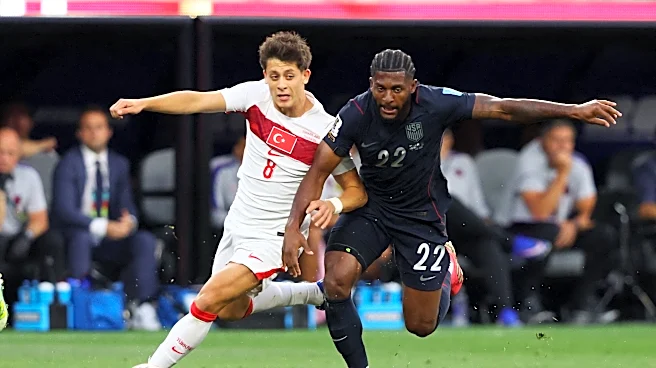
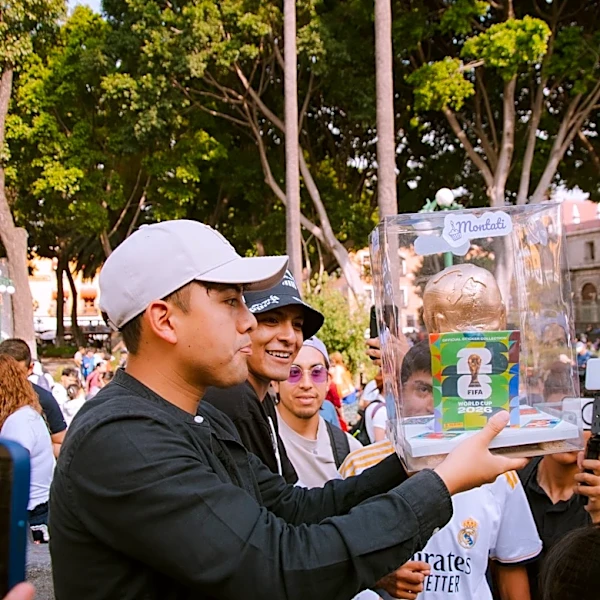
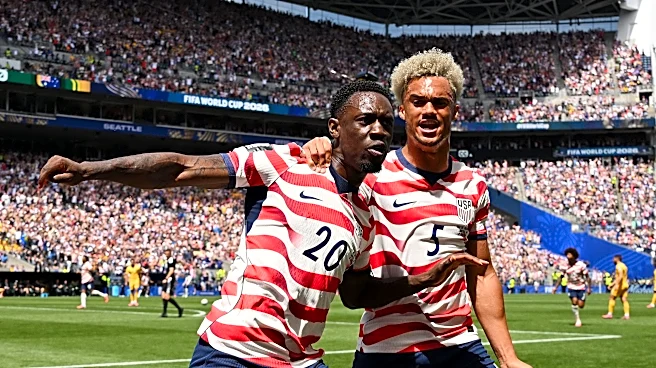
fostering a sense of shared experience. This unity is evident in various settings, from a Senegalese flag in a Lyft to packed taquerias in cities without teams in the tournament. The event has shown that the real output of the World Cup is not just about crowning a champion but about temporarily collapsing the distance between people who usually keep their distance. The tournament has also highlighted the growing interest in soccer in the United States, with the national team advancing to the knockouts with a game to spare, marking a historic achievement.
Why It's Important?
The World Cup's ability to unite people across different cultures and backgrounds underscores the power of shared experiences in a fragmented world. This event has shown that despite the rise of personalized media consumption, there is still a strong appetite for communal experiences. The tournament has also revealed a latent interest in soccer within the United States, suggesting a shift in cultural attitudes towards the sport. This could have long-term implications for the popularity of soccer in the U.S., potentially influencing future investments in the sport and its infrastructure. Additionally, the World Cup's success in bringing people together highlights the potential for sports to serve as a unifying force in a divided world.
What's Next?
As the World Cup progresses, the focus will shift to the final matches and the eventual crowning of a champion. However, the broader cultural impact of the tournament will likely continue to resonate beyond the event itself. In the U.S., the increased interest in soccer could lead to greater support for the sport at both the grassroots and professional levels. This could result in more investment in soccer infrastructure and development programs, potentially boosting the country's competitiveness in future international tournaments. Additionally, the World Cup's success in fostering unity may inspire other global events to prioritize shared experiences as a means of bridging cultural divides.