






What's Happening?
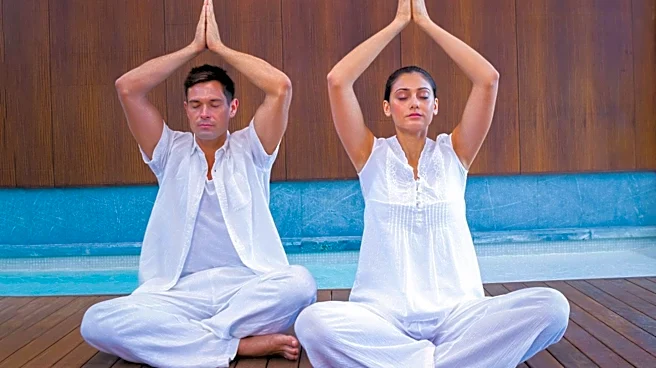
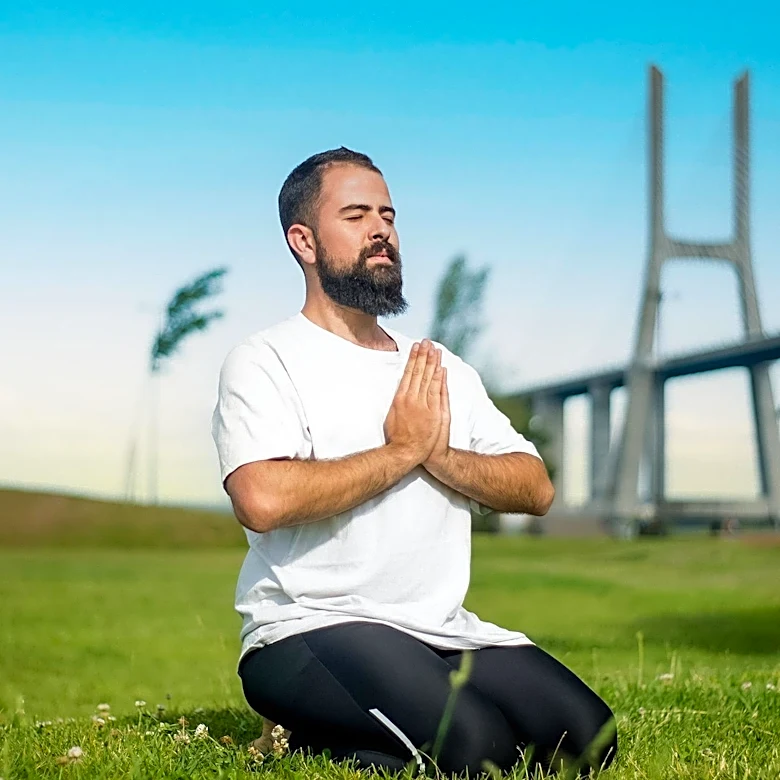
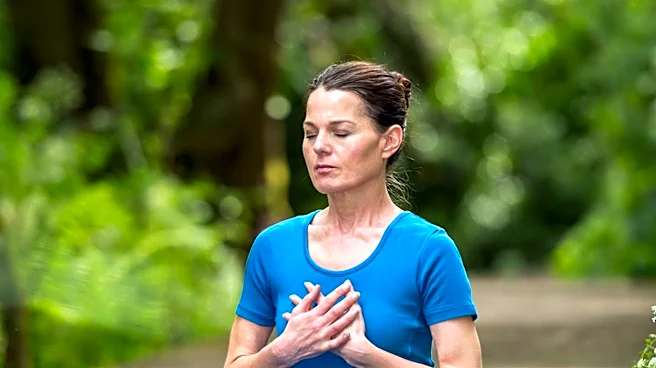
Healing retreats are structured getaways designed for emotional, physical, or spiritual recovery, incorporating practices such as meditation, breathwork, movement, and time in nature. Unlike typical vacations focused on sightseeing, these retreats prioritize
intentional work on personal well-being. Research, including a 2017 meta-analysis, indicates that meditation retreats can lead to moderate to large reductions in depression, anxiety, and stress. The format of these retreats varies, from silent, solitary programs to group experiences with shared rituals, but the common goal is to provide dedicated time away from daily obligations to focus on healing. The essence of a healing retreat lies in creating a 'container' or sacred space for inner peace, allowing individuals to slow down and address issues they might not have time for in their daily lives.
Why It's Important?
In a fast-paced U.S. society often characterized by chronic stress and digital overload, healing retreats offer a critical avenue for mental and physical rejuvenation. The documented benefits of reduced depression, anxiety, and stress can significantly impact public health and productivity. By providing a structured environment for self-reflection and therapeutic practices, these retreats can help individuals manage burnout, improve emotional regulation, and foster a stronger sense of purpose. This is particularly important as societal pressures contribute to rising rates of mental health challenges. The emphasis on disconnecting from daily distractions and reconnecting with oneself and nature can lead to more resilient individuals, who are better equipped to contribute positively to their communities and workplaces.
What's Next?
The growing recognition of the benefits of healing retreats suggests a potential expansion of such programs across the U.S. Future developments may include more specialized retreats catering to specific needs, such as trauma recovery, wellness, or spiritual growth. The integration of practices like sound rituals, movement, and nature immersion, as seen in some programs, indicates a trend towards holistic approaches to healing. There may also be an increased focus on incorporating plant-forward, locally sourced nutrition to support the healing process. As awareness grows, more individuals and organizations may seek to offer or participate in these structured getaways, further embedding intentional self-care into mainstream wellness practices.
Beyond the Headlines
The rise of healing retreats reflects a broader societal yearning for deeper meaning and connection beyond material pursuits and constant digital engagement. This trend highlights a growing awareness of the limitations of conventional healthcare in addressing holistic well-being. The emphasis on practices like meditation and breathwork, often rooted in ancient traditions, suggests a cultural re-evaluation of wisdom traditions for modern challenges. Furthermore, the concept of a 'healing retreat' challenges the traditional vacation model, shifting the focus from escapism to intentional self-improvement and personal growth. This could lead to a redefinition of leisure and self-care, emphasizing restorative experiences that foster long-term mental and emotional resilience.