







What's Happening?
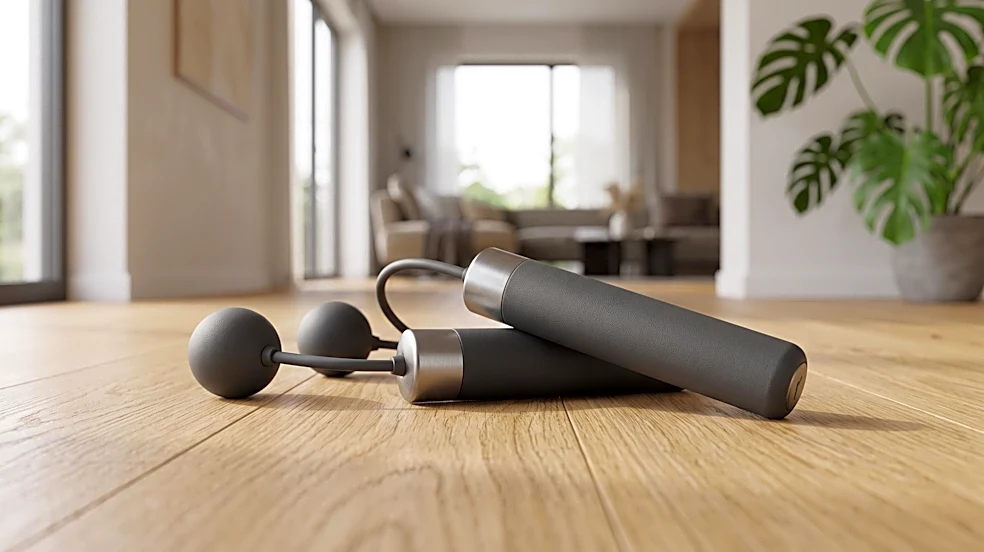
The cordless jump rope market in home fitness is experiencing significant growth, primarily driven by evolving consumer preferences for efficient, space-saving workout solutions and technological innovations. These devices have gained popularity due to
their convenience and safety features, eliminating the need for large open areas, which makes them suitable for apartments and confined home gyms. The market expansion is further fueled by the increasing adoption of digital fitness devices and a growing focus on personalized, at-home exercise routines. Technological advancements include smart features like Bluetooth connectivity, built-in sensors, and mobile app synchronization, allowing users to track workout metrics, set goals, and receive real-time feedback. The COVID-19 pandemic also accelerated the adoption of home-based fitness solutions, boosting demand for cordless jump ropes as a convenient and contactless workout option.
Why It's Important?
This growth in the cordless jump rope market signifies a broader shift in the U.S. fitness industry towards personalized, technology-integrated, and space-efficient home workout solutions. For manufacturers and retailers, understanding these drivers is crucial for capitalizing on emerging opportunities. The demand for compact equipment reflects changing urban living conditions and consumer lifestyles, where convenience and versatility are highly valued. The integration of smart technology into fitness gear enhances user engagement and motivation, creating new revenue streams for fitness brands through app compatibility and virtual challenges. This trend impacts product development, marketing strategies, and the overall competitive landscape, as companies strive to innovate with lightweight, adjustable, and ergonomically designed products that cater to tech-savvy consumers and those seeking flexible exercise options.
What's Next?
The cordless jump rope market is expected to continue its growth trajectory, with future innovations likely focusing on enhanced digital integration, such as augmented reality (AR) and virtual reality (VR) features for immersive workout experiences. Manufacturers will likely explore subscription-based digital coaching and personalized training plans to further boost user engagement and loyalty. Partnerships with fitness app developers and wearable technology companies could unlock new functionalities and expand market reach. As consumer interest in holistic health and wellness grows, the industry is poised to evolve with more innovative features catering to diverse fitness needs. Businesses will need to monitor regional trends and technological advancements to remain competitive, embracing new features like smart tracking and virtual coaching to differentiate products and meet evolving consumer expectations.
Beyond the Headlines
The rise of cordless jump ropes and similar space-saving fitness equipment reflects a deeper cultural shift towards integrating health and wellness seamlessly into daily life, often within the confines of one's home. This trend has ethical implications regarding data privacy, as smart fitness devices collect personal workout metrics. Legally, there may be increased scrutiny on product safety and data security standards for these connected devices. Culturally, it signifies a move away from traditional gym-centric fitness models towards more individualized and flexible approaches, potentially democratizing access to exercise for those with limited time, space, or financial resources for gym memberships. This evolution also highlights the increasing convergence of technology and lifestyle, where digital tools play a pivotal role in personal well-being and self-improvement.