

What's Happening?
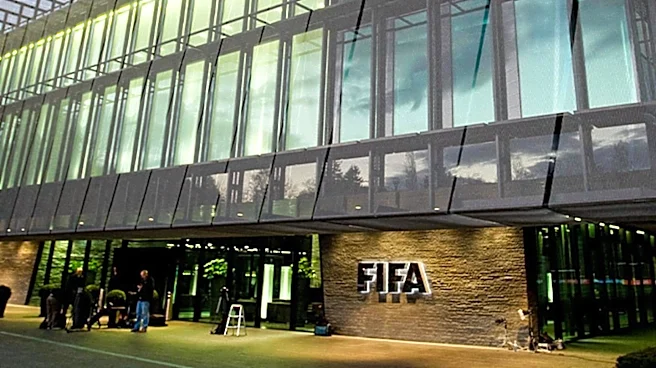
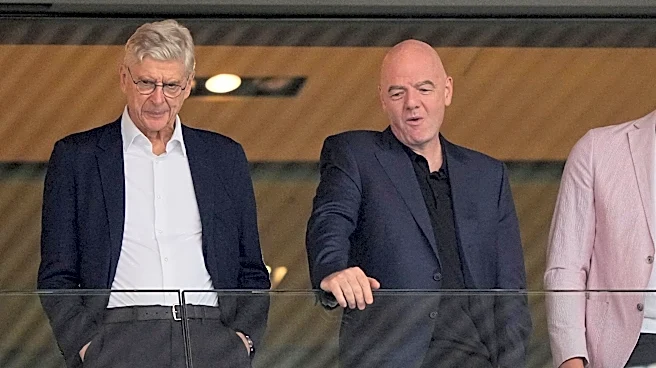
UEFA, the governing body for European football, is contemplating a boycott of FIFA events despite an apology from FIFA President Gianni Infantino regarding a controversial private investment plan. The plan, known as FIFA Forward Enterprise (FFE), proposed
allowing third parties to take minority stakes in FIFA's commercial operations, which faced significant opposition from UEFA and other football stakeholders. UEFA's 55 member associations had previously threatened to boycott FIFA competitions if the plan proceeded. Despite Infantino's apology and acknowledgment of mistakes, UEFA remains unsatisfied, stating that the conditions for non-participation have not been met. The situation has sparked criticism from FIFPRO, a global players' union, which condemned the plan as a governance failure and an abuse of presidential power.
Why It's Important?
The potential boycott by UEFA underscores the ongoing tensions between FIFA and its member associations over governance and commercial strategies. UEFA's stance reflects broader concerns about the commercialization of football and the potential impact on the sport's integrity. The controversy highlights the challenges FIFA faces in balancing commercial interests with the expectations of its member associations. A boycott by UEFA could significantly impact FIFA's events, reducing their prestige and financial viability. This situation also raises questions about FIFA's governance practices and the influence of its leadership, potentially prompting calls for reform within the organization.
What's Next?
If UEFA proceeds with a boycott, it could lead to a significant rift within international football, affecting the participation of European teams in FIFA events. This could prompt FIFA to reconsider its commercial strategies and governance practices to address the concerns of its member associations. The situation may also lead to increased scrutiny of FIFA's leadership and decision-making processes, potentially resulting in calls for greater transparency and accountability. Stakeholders within the football community, including players, clubs, and national associations, will likely continue to monitor developments closely, advocating for changes that align with their interests.