



What's Happening?
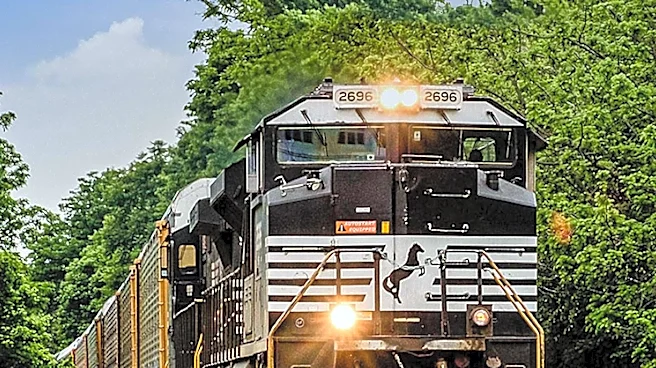
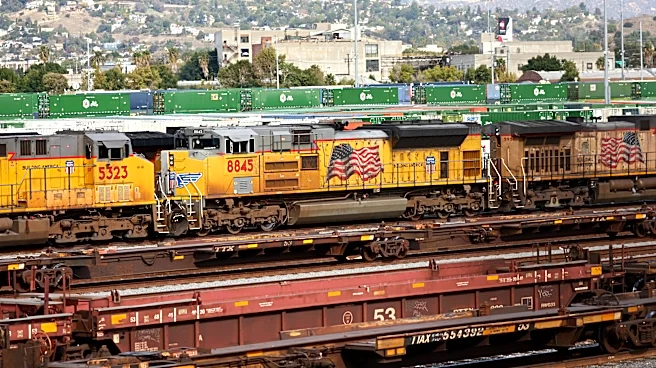
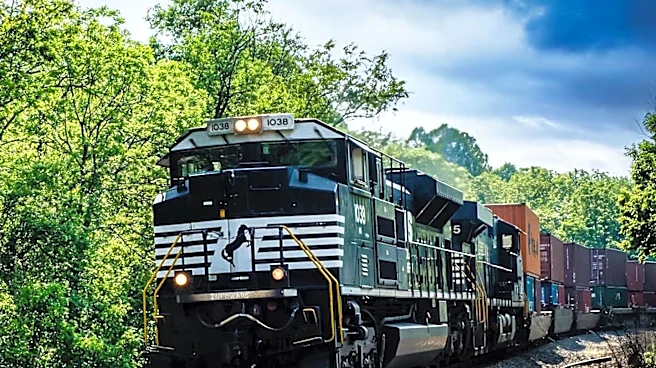
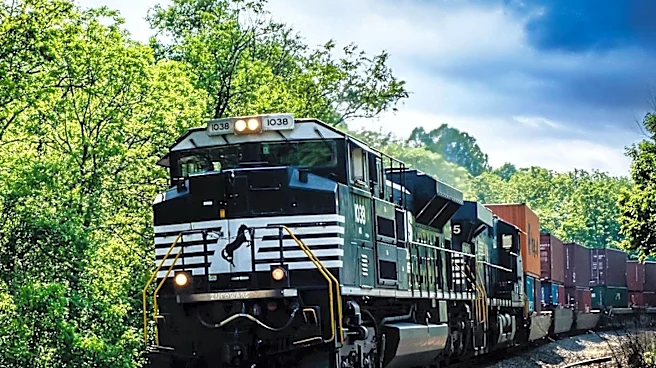
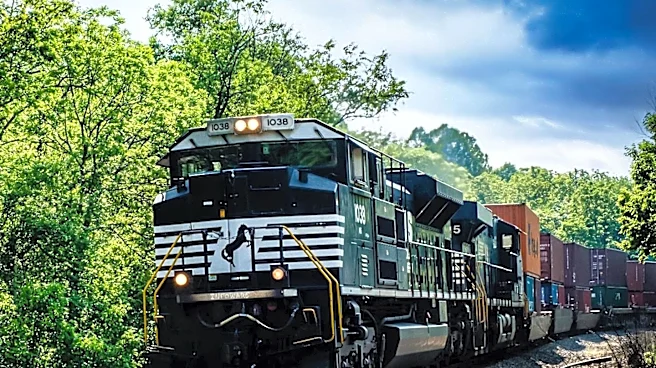
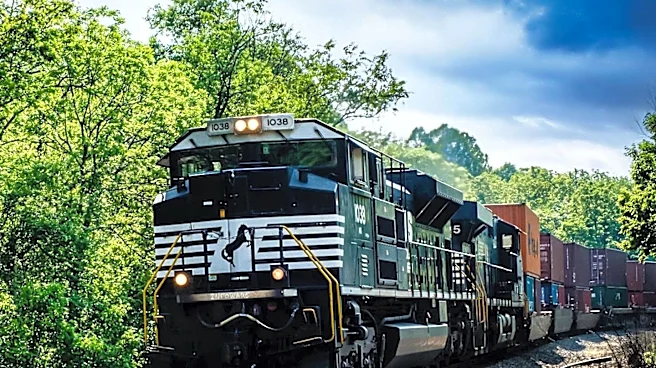
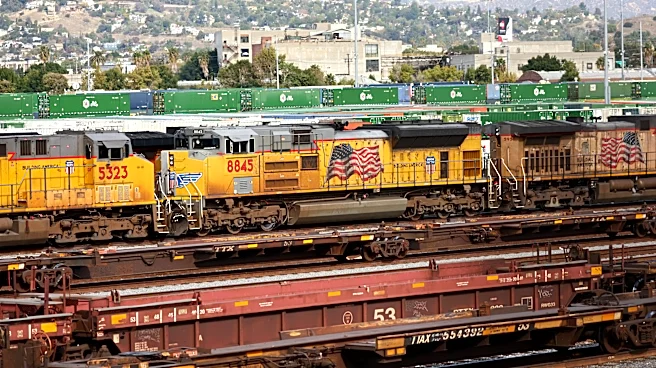
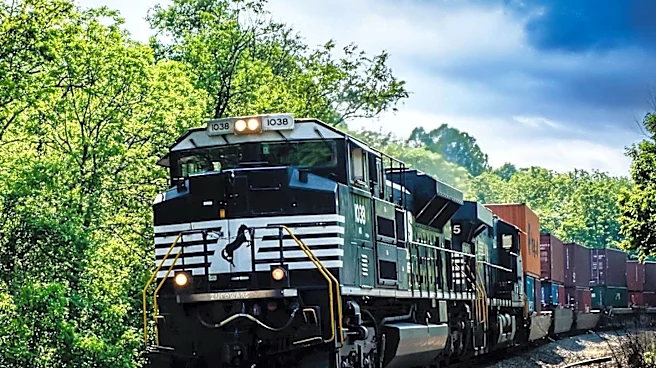
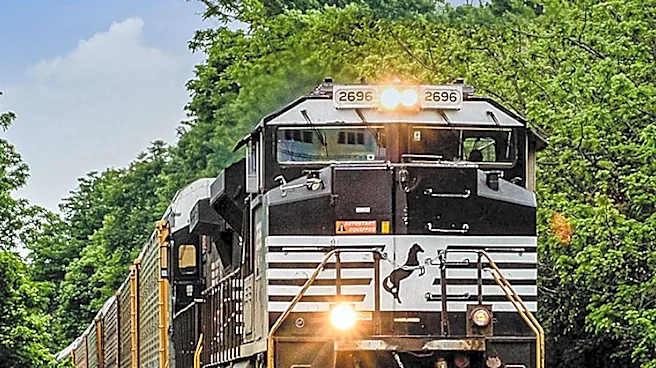
The American Farm Bureau Federation (Farm Bureau) has formally opposed the proposed merger between Union Pacific and Norfolk Southern, filing comments with the Surface Transportation Board (STB) on November 18. The Farm Bureau argues that the acquisition
would further consolidate the already concentrated freight rail industry, leaving farmers, ranchers, and other agricultural shippers with fewer competitive alternatives. According to Farm Bureau Executive Vice President Joby Young, the merger would eliminate the choice between Union Pacific and Norfolk Southern at key interchange points like Chicago, St. Louis, and New Orleans, where shippers currently have bargaining power. The organization's opposition is rooted in a policy adopted at its 107th annual meeting in January 2026. Farm Bureau President Zippy Duvall stated that over 90% of U.S. farmers already have only one option for rail shipment, and this merger would exacerbate the lack of competition. The proposed combined system would span approximately 50,000 route miles across 43 states, becoming the first coast-to-coast Class I railroad in U.S. history, with an estimated $35 billion of the purchase price financed through new debt.
Why It's Important?
The Farm Bureau's opposition highlights significant concerns for the U.S. agricultural sector, which relies heavily on rail transport for commodities like corn, soybeans, and wheat. The potential for reduced competition could lead to higher shipping rates for farmers, directly impacting their profitability and the overall cost of food production. With an estimated 95% of grain elevators served by only one railroad, the merger could further entrench a 'captive shipper' scenario, where agricultural producers have limited options and bargaining power. This could result in increased transportation costs that farmers cannot easily offset, as commodity prices are set by domestic and international markets. The Farm Bureau also points to STB data indicating a rise in non-competitive agricultural rail revenue, suggesting that shippers are already facing higher costs. The merger's financial structure, involving substantial new debt, raises concerns that these costs could be passed on to shippers, ultimately affecting consumers through higher food prices.
What's Next?
The Surface Transportation Board (STB) is currently reviewing the merger application, with responses from Union Pacific and Norfolk Southern due by February 16, 2027. A public hearing is scheduled after March 29, and final briefs are due on May 28, 2027. The STB is expected to issue a final decision within 90 days of the record's close. The Farm Bureau has urged the STB to reject the merger, emphasizing the potential negative impact on farmers and the food supply chain. The 'Stop The Rail Merger Coalition,' which includes the Farm Bureau and other agricultural groups, has seen a growing number of parties formally opposing the transaction. Union Pacific and Norfolk Southern, however, claim the merger would generate approximately $1 billion in annual operating savings and divert 2.1 million truckloads to rail, promising an Open Gateway Commitment, Committed Gateway Pricing, and a Service Assurance Plan for customers.
Beyond the Headlines
The debate surrounding the Union Pacific-Norfolk Southern merger extends beyond immediate economic impacts, touching upon the long-term structure and regulation of the U.S. freight rail industry. The Farm Bureau's reference to past rail mergers, such as the Union Pacific-Southern Pacific merger in the late 1990s which led to widespread service disruptions and significant economic damage, underscores the potential for unintended consequences. This historical context suggests that regulatory bodies must carefully consider not only the projected benefits but also the risks of increased market concentration. The merger could set a precedent for future consolidations in other critical infrastructure sectors, raising broader questions about competition, consumer welfare, and the role of government oversight in essential services. The outcome will likely influence policy discussions on antitrust regulations and the balance between corporate efficiency and market fairness in industries vital to the national economy.