





What's Happening?
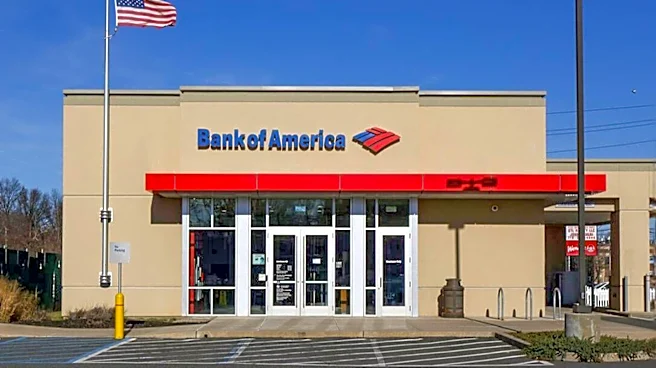
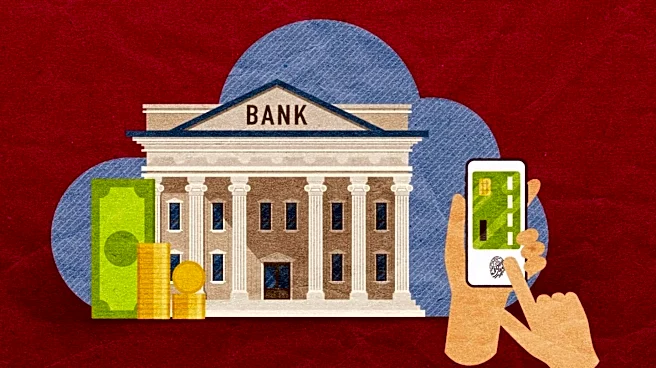
Traditional banks, defined as for-profit financial institutions owned by shareholders, primarily focus on holding customer deposits and issuing loans. These institutions are characterized by their physical branch locations, providing in-person customer service
and extensive ATM access. They are particularly suitable for individuals who frequently handle cash deposits or prefer face-to-face interactions for their banking needs. While traditional banks often charge monthly service fees, these fees can sometimes be waived based on specific account activities or minimum balance requirements. Compared to online banks and credit unions, traditional banks typically offer lower savings rates. They also provide a range of other financial products, including loans, credit cards, and investment services, making them a comprehensive option for many consumers.
Why It's Important?
The operational model of traditional banks significantly impacts consumers who value accessibility and personal interaction in their financial dealings. The prevalence of physical branches and ATMs ensures that customers can easily manage their finances, deposit cash, and seek direct assistance, which is a critical factor for many, especially those less comfortable with digital banking. However, the trade-off often involves higher fees and lower savings rates compared to their online counterparts or credit unions. This structure means that customers prioritizing convenience and comprehensive in-person services might incur greater costs or miss out on higher returns on their savings. The fees, though sometimes waivable, can accumulate, affecting the overall financial health of account holders, particularly those with lower balances or less frequent account activity.
What's Next?
As the financial landscape continues to evolve with the rise of digital banking, traditional banks are likely to face ongoing pressure to adapt their service models. They may need to explore hybrid approaches that combine their established physical presence with enhanced digital tools to remain competitive. This could involve offering more competitive savings rates, reducing or restructuring fees, and integrating more robust online and mobile banking features while maintaining their core advantage of in-person service. The future will likely see traditional banks striving to balance the demand for physical accessibility with the growing consumer expectation for efficient and cost-effective digital solutions, potentially leading to a re-evaluation of their fee structures and interest rate offerings to attract and retain customers.
Beyond the Headlines
The enduring presence of traditional banks highlights a fundamental aspect of consumer behavior: the value placed on trust, security, and personal connection in financial matters. Despite the efficiency and often lower costs of online alternatives, many individuals still prefer the tangible reassurance of a physical bank and the ability to speak with a representative. This preference can be particularly strong in communities where digital literacy is lower or where cash transactions are more common. The continued existence of traditional banks also underscores the regulatory environment that has historically favored and shaped these institutions, influencing their operational costs and service offerings. Their role extends beyond mere transactions, often serving as pillars of local economies and community engagement, which can be a less obvious but significant implication of their business model.