






What's Happening?
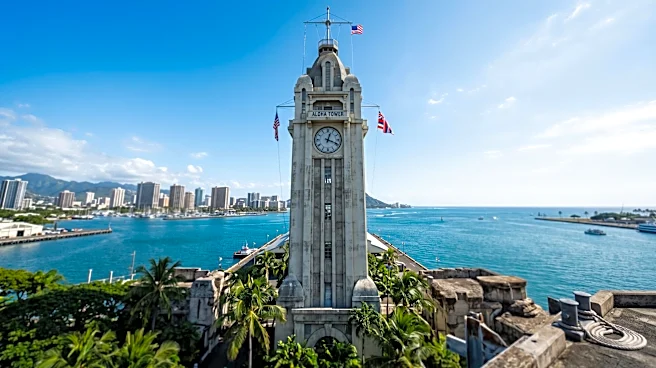
Hawaiian Airlines has announced plans to eliminate 13 non-union positions in Honolulu as part of its ongoing efforts to merge office and air cargo operations. These job cuts are a direct consequence of the airline's acquisition by Alaska Air Group. The affected
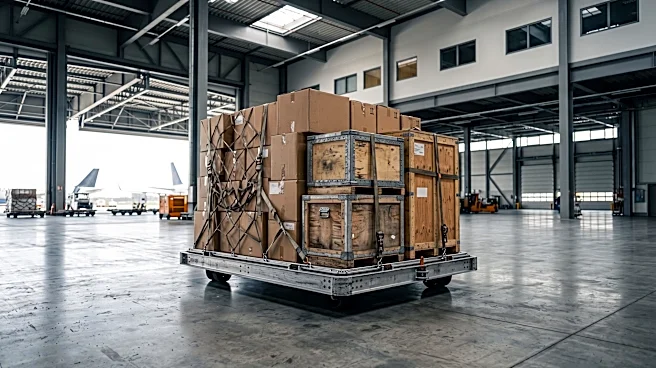
positions are scheduled to be permanently removed from the company in December 2026 and January 2027. Specifically, 11 employees will be cut from the Hawaiian Airlines corporate headquarters, one from the air cargo hangar, and one from Daniel K. Inouye International Airport. Despite these reductions, the combined company is projected to retain more than 500 non-union employees based in Honolulu. This move is part of a broader restructuring aimed at streamlining operations and integrating the two airlines following the acquisition.
Why It's Important?
The job cuts at Hawaiian Airlines are important as they represent a tangible impact of corporate mergers on local employment and the broader economy. While 13 jobs may seem a small number in the context of a large airline, each job loss affects individuals and their families, potentially leading to economic hardship and requiring them to seek new employment. For Honolulu, these cuts, though limited, contribute to the overall employment landscape and could signal future adjustments as the integration with Alaska Air Group progresses. This situation highlights the common consequence of mergers and acquisitions, where operational efficiencies often lead to redundancies in staffing. It also underscores the challenges faced by employees in industries undergoing consolidation, as job security can become uncertain. The remaining 500+ non-union employees in Honolulu will likely experience changes in their work environment and corporate culture as the integration unfolds.
What's Next?
The 13 affected non-union employees at Hawaiian Airlines are slated to be permanently removed from their positions in December 2026 and January 2027. Hawaiian Airlines and Alaska Air Group will continue their integration process, which may involve further operational adjustments and potential workforce realignments in the future. The companies will likely focus on ensuring a smooth transition for the remaining employees and maintaining service levels for customers. The affected employees will need to seek new employment opportunities, and local employment services may see an increase in demand. The broader impact on Honolulu's job market will depend on whether these individuals can find new roles within the local economy. The airline industry will continue to monitor the success of the merger and its long-term effects on operations and employment.
Beyond the Headlines
The job cuts at Hawaiian Airlines, while a direct result of the Alaska Air Group acquisition, reflect a broader trend in the airline industry and corporate mergers in general. The pursuit of synergy and efficiency often leads to workforce reductions, raising questions about the human cost of corporate consolidation. This event highlights the tension between business optimization and social responsibility, particularly in communities where a single large employer can have a significant economic footprint. It also brings to light the importance of robust social safety nets and retraining programs for workers displaced by such corporate actions. The long-term implications could include a shift in the local employment landscape, potentially pushing workers into different sectors or requiring new skill development. This situation serves as a reminder that while mergers can create stronger, more competitive companies, they often come with difficult decisions that impact individual livelihoods and community stability.