





What's Happening?
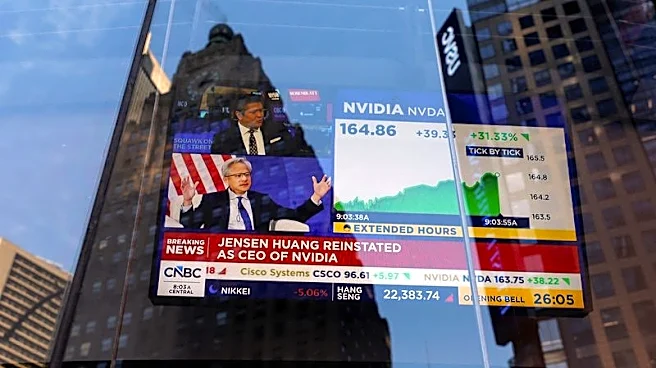
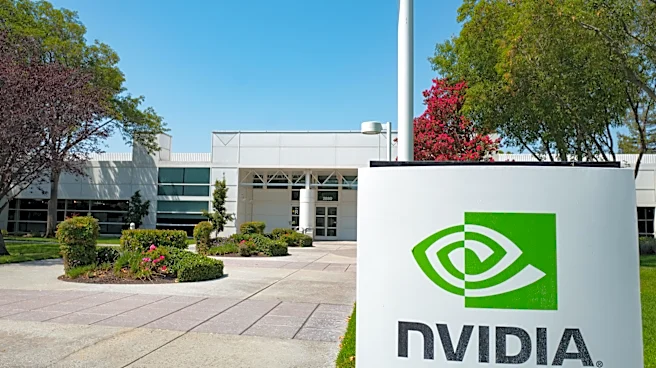
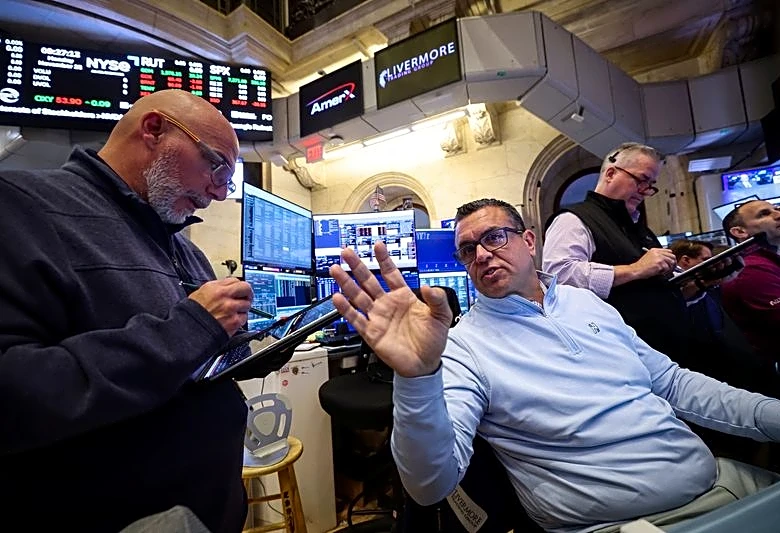
Nvidia's stock experienced a significant surge, jumping as much as 37% in a single day, marking its best intraday gain in over 25 years. This rally occurred less than two weeks after CEO Huang's ouster due to an alleged affair with a Chinese spy and just
days after the stock's largest weekly drop since 2008. According to Mandeep Singh, Bloomberg Intelligence's Global Head of Tech Research, the market is pricing in a 'personal premium' attached to Huang, suggesting that Nvidia's underlying fundamentals remain unchanged. The board reinstated Huang before its own investigation concluded, and probes into hardware diversion, including a Department of Justice inquiry, are still active. Singh emphasized that if diversion into China occurred with Huang's knowledge and was concealed, the consequences would be severe, regardless of his reinstatement. The Commerce Department blacklisted MegaSpeed hours after Huang's reinstatement, following a rule restricting China's remote data-center access.
Why It's Important?
The dramatic fluctuation in Nvidia's stock highlights the significant influence of leadership and geopolitical factors on the technology sector, particularly in the context of the AI trade. The market's reaction to Huang's reinstatement suggests that investors view his leadership as critical to Nvidia's success, even amidst serious allegations and ongoing investigations. This situation underscores the vulnerability of major tech companies to both internal governance issues and external regulatory pressures, especially concerning national security and trade policies. The ongoing Department of Justice probe into hardware diversion and the Commerce Department's blacklisting of MegaSpeed indicate a heightened scrutiny of U.S. tech companies' dealings with China, which could have broader implications for the entire semiconductor industry and its global supply chains. The credibility of figures like Huang in navigating complex chip export policies is crucial, as they are expected to testify before Congress on these matters.
What's Next?
CEO Huang is scheduled to testify before both the House and Senate in early December. These testimonies are expected to address the hardware-diversion allegations and China data-center access rules, which will likely shape future policy and regulatory actions. The ongoing Department of Justice inquiry into hardware diversion remains open, and its findings could lead to further legal or financial repercussions for Nvidia. The Commerce Department's recent blacklisting of MegaSpeed signals continued governmental action to enforce chip export policies, indicating that the policy environment surrounding Nvidia's core market will remain dynamic. Investors will be closely watching these developments, as they could impact Nvidia's operational capabilities, market access, and overall valuation. The outcome of these investigations and testimonies will also influence the broader U.S. stance on technology exports to China.
Beyond the Headlines
The rapid reinstatement of CEO Huang, despite ongoing investigations and serious allegations, raises questions about corporate governance and the concept of 'too big to fail' within the AI industry. Mary Ann Bartels, Chief Investment Strategist at Sanctuary Wealth, characterized Huang as 'effectively too big to fail for the AI trade,' suggesting that the board faced immense pressure to restore stability to the company and the broader AI market. This situation could set a precedent for how major tech companies handle leadership crises involving national security implications. The interplay between corporate decisions, market sentiment, and governmental oversight in critical technology sectors like AI and semiconductors is becoming increasingly complex. The incident also highlights the ethical dilemmas faced by boards when balancing shareholder value with compliance and national security concerns, particularly in a highly competitive and geopolitically sensitive industry.