


What's Happening?
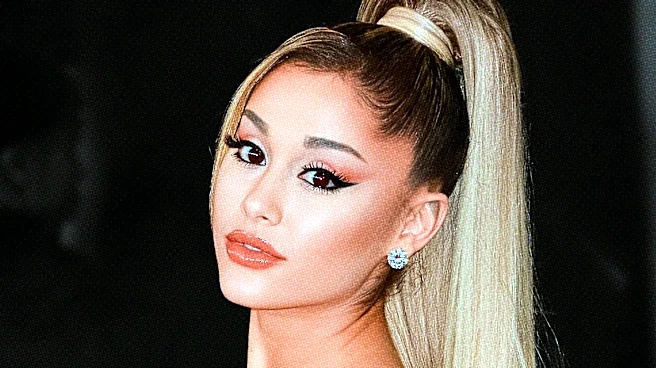
Cynthia Erivo has publicly criticized the intense public scrutiny surrounding her close friendship with Ariana Grande. Speaking to The Guardian, Erivo described the reaction as an "annoyance" and noted that people became "psychologists from their couches"
when observing their bond. This scrutiny intensified during their time working on and promoting the 'Wicked' films, where Erivo plays Elphaba and Grande plays Glinda. Erivo highlighted a perceived policing of their public behavior, particularly regarding emotional expressions during interviews, questioning why they were criticized for showing emotion, crying, or laughing. She also addressed an incident at a 'Wicked: For Good' premiere in Singapore, where she defended Grande from a fan, stating her immediate response was to protect her friend. Erivo expressed discomfort with being labeled Grande's 'bodyguard,' linking such framing to misogyny and misogynoir.
Why It's Important?
Erivo's comments shed light on the broader issue of public and media treatment of female friendships, especially among high-profile individuals. Her observation that there was a "weird sort of annoyance" at two women being friends suggests a societal tendency to question or sensationalize such relationships, rather than accepting them as genuine. This scrutiny can create an environment where celebrities feel pressured to conform to certain public images, limiting their authentic interactions. Furthermore, Erivo's discomfort with the 'bodyguard' label and her connection of it to misogyny and misogynoir highlights the intersectional challenges faced by women of color in the public eye. It underscores how media narratives can perpetuate harmful stereotypes and undermine genuine acts of support, impacting how these relationships are perceived and discussed.
What's Next?
Erivo's public statement may encourage a more critical examination of how celebrity friendships, particularly those involving women, are portrayed and consumed by the public and media. It could prompt discussions within fan communities and media outlets about the ethics of scrutinizing personal relationships and the impact of such scrutiny on individuals' well-being. While it might not immediately change public behavior, it serves as a significant voice challenging the status quo. For Erivo and Grande, this public address could reinforce their bond by openly confronting external pressures. It also sets a precedent for other public figures to speak out against undue personal scrutiny, potentially fostering a more respectful environment for celebrity interactions in the future.
Beyond the Headlines
Beyond the immediate context of Erivo and Grande's friendship, this situation reflects a deeper cultural phenomenon where public figures, particularly women, are often subjected to intense and often gendered scrutiny. The idea that people become 'psychologists from their couches' points to the pervasive nature of parasocial relationships and the sense of entitlement some fans feel towards celebrities' private lives. Erivo's mention of misogyny and misogynoir adds a critical layer, highlighting how race and gender intersect to shape public perception and criticism. This incident serves as a reminder of the constant pressure on public figures to navigate their personal lives under a microscope, and the ethical implications of a culture that often prioritizes sensationalism over respect for privacy and genuine human connection.