


What's Happening?
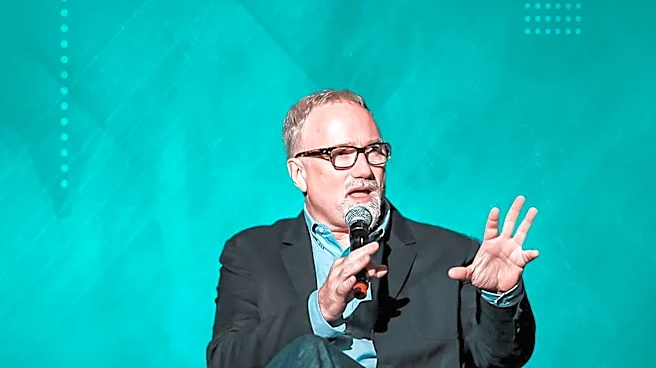
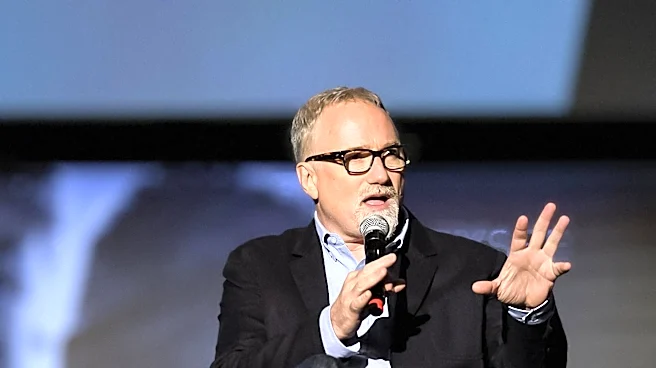
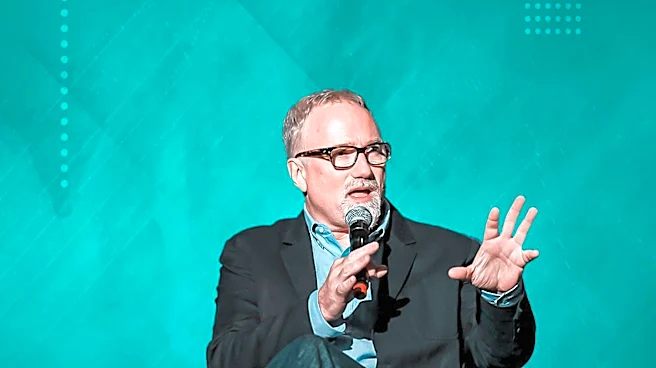
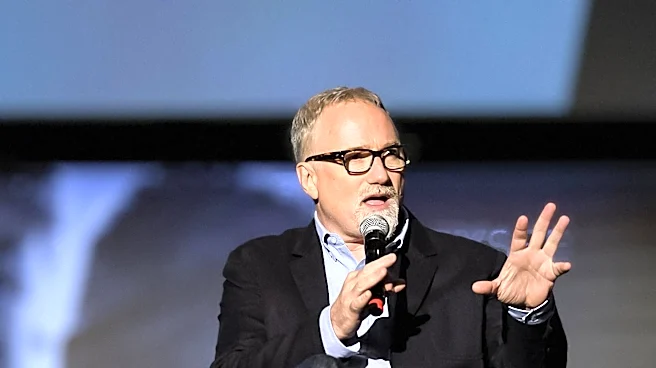
Filmmaker David Fincher has publicly defended his use of artificial intelligence (AI) in his latest film, "The Further Mis-Adventures of Cliff Booth," starring Brad Pitt. Fincher addressed the controversy in an interview with El País 50, dismissing the debate
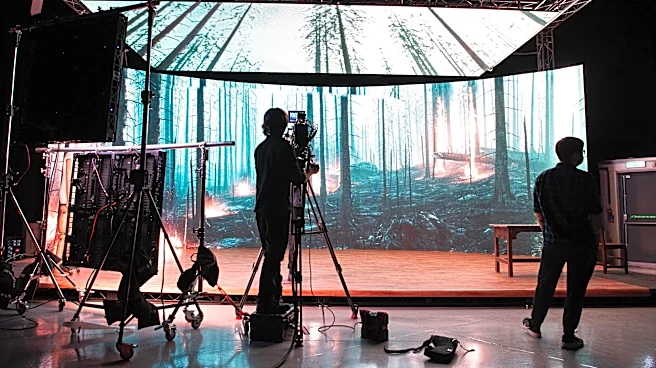
as a 'culture war' unrelated to filmmaking tools. He stated that his priority is to tell the story within budget and schedule constraints, viewing AI as another tool in the production toolkit. Fincher clarified that AI was used for tasks such as syncing vocal takes with on-camera performances, estimating that automated dialogue replacement (ADR) constituted only about 5% of the film, with other AI-assisted processes handling the remainder. He envisions a future where AI manages technical issues like focus errors, allowing human crews to focus on creative aspects. Despite early screenings reportedly drawing complaints about visible generative AI and some social media users vowing to boycott the film, "The Further Mis-Adventures of Cliff Booth" is currently in select IMAX theaters and is scheduled for a Netflix release on December 23.
Why It's Important?
Fincher's stance highlights a growing tension within the entertainment industry regarding the adoption of AI technologies. His defense frames the debate as a resistance to new tools rather than a genuine concern about artistic integrity, potentially influencing other filmmakers and studios to consider AI more readily. The backlash from audiences and social media users, however, indicates a significant segment of the public is wary of AI's role in creative works, raising questions about audience acceptance and the perceived authenticity of AI-generated content. This situation could set a precedent for how future productions integrate AI, impacting employment for traditional film crews and actors, as well as shaping audience expectations for visual effects and post-production processes. The financial implications are also significant, as AI could potentially reduce production costs and timelines, making it an attractive option for studios despite public reservations.
What's Next?
The ongoing theatrical run and upcoming Netflix release of "The Further Mis-Adventures of Cliff Booth" will serve as a significant test case for audience reception of AI-integrated filmmaking. The film's commercial and critical performance could either validate Fincher's progressive stance or amplify concerns about AI's impact on cinematic art. The debate is likely to intensify as more filmmakers experiment with AI, prompting further discussions within industry guilds, unions, and creative communities about ethical guidelines, intellectual property, and job security. Studios may closely monitor the public's reaction to gauge the viability of broader AI adoption in their productions. Additionally, the technological advancements in AI for filmmaking are expected to continue, potentially leading to more sophisticated and less detectable applications, which could further complicate the ongoing dialogue about its role in creative industries.
Beyond the Headlines
The controversy surrounding Fincher's use of AI extends beyond mere technical choices, touching upon deeper philosophical questions about authorship, authenticity, and the future of human creativity. The 'culture war' Fincher references reflects a broader societal anxiety about AI's encroachment into domains traditionally considered uniquely human. This debate forces a re-evaluation of what constitutes 'art' and the value placed on human craftsmanship versus technological efficiency. Legally, the use of AI in film raises complex questions about copyright ownership for AI-generated elements and the potential for AI to replicate or alter actors' likenesses without explicit consent, leading to calls for new regulatory frameworks. Ethically, the discussion revolves around the potential for AI to devalue human labor and creativity, transforming the film industry's workforce. Culturally, the acceptance or rejection of AI in cinema could signify a shift in how society views technology's role in artistic expression, potentially leading to new genres or forms of storytelling that blend human and artificial intelligence.