

What's Happening?
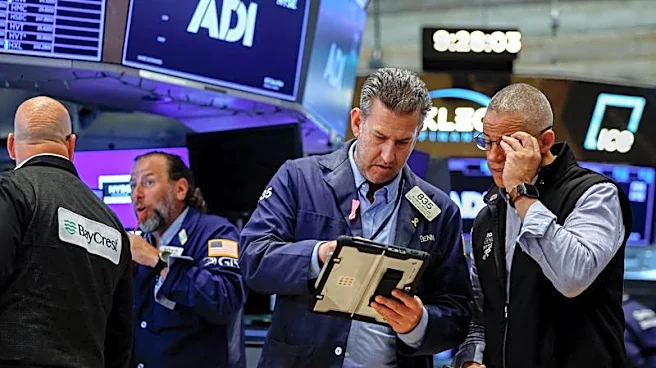
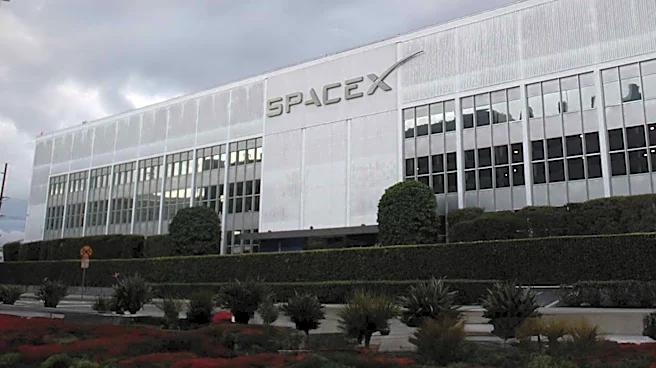
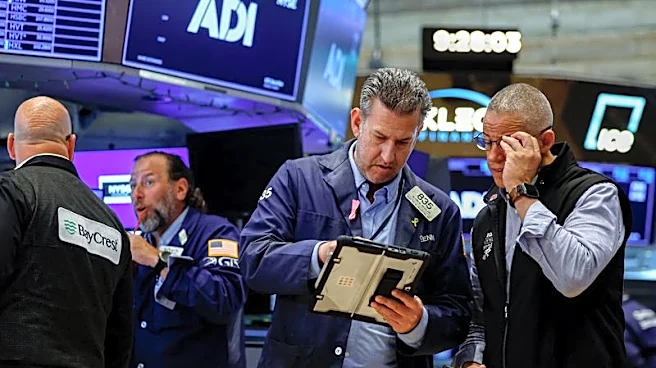
SpaceX, which went public on June 12, 2026, has been experiencing significant short-selling pressure, reminiscent of the early struggles faced by Tesla. Venture capitalist Chamath Palihapitiya has warned investors against shorting SpaceX shares, drawing
parallels to Tesla's past. SpaceX's IPO was the largest on record, with shares initially surging to an all-time high before retreating due to valuation concerns and market dynamics. By early August, the stock had declined significantly, with short interest reaching approximately 34% of the public float. CEO Elon Musk has also cautioned against maintaining significant short positions, emphasizing the company's potential for growth.
Why It's Important?
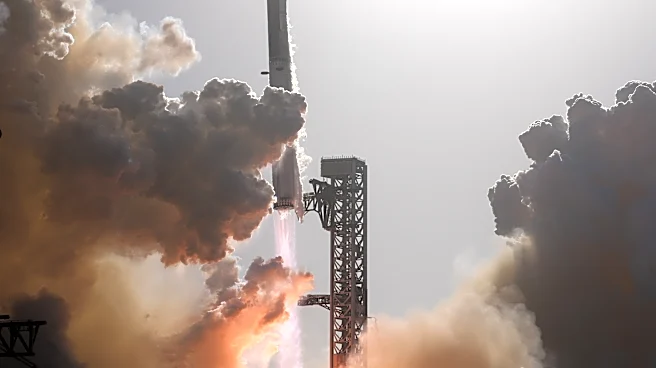
The situation with SpaceX highlights the volatility and risks associated with investing in high-profile tech companies, especially those led by visionary leaders like Elon Musk. The intense short-selling activity reflects market skepticism about SpaceX's valuation and future prospects, despite its ambitious growth targets. The company's performance in its first quarterly results as a public entity, with significant revenue growth and narrowed losses, underscores its potential to disrupt industries and achieve long-term success. The outcome of this high-stakes financial battle could influence investor sentiment and strategies in the tech sector.
What's Next?
SpaceX's upcoming lockup expiration and continued financial performance will be critical in determining the stock's trajectory. Investors will be watching closely to see if the company can sustain its growth momentum and meet its ambitious revenue targets. The potential for additional shares to enter the market could impact stock prices, while the company's strategic initiatives in AI and satellite technology will be key areas of focus. The ongoing debate between short sellers and long-term investors will likely continue, with each side closely monitoring SpaceX's progress and market conditions.