

What's Happening?
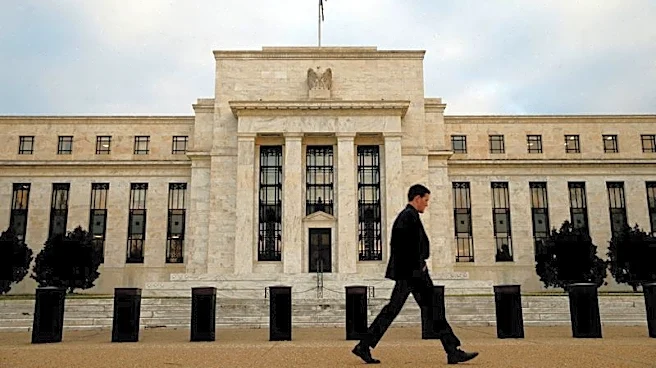
Cleveland Fed President Beth Hammack, a known monetary policy hawk, has continued to advocate for a hawkish approach despite recent declines in oil prices and a sell-off in AI stocks. Traditionally, lower oil prices and a struggling stock market might
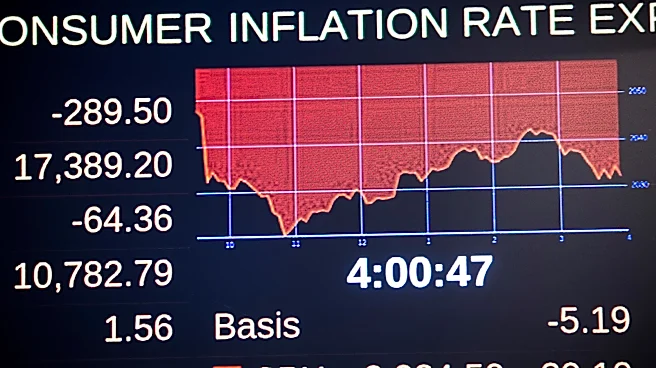
suggest a need for less restrictive monetary policy. However, Hammack has expressed concerns that lower oil prices could paradoxically fuel inflation by increasing consumer spending capacity. This perspective contributes to the Federal Reserve's overall hawkish stance, which has kept the 10-year Treasury yield elevated, currently around 4.94%, and mortgage rates above 7.30%. The Fed's focus remains on combating inflation, with members frequently discussing further rate hikes, including potential 50-basis-point increases, even as other economic indicators might suggest a different course of action. The market has seen AI stocks, exemplified by CoreWeave, experience significant downturns, yet this has not swayed the Fed's hawkish rhetoric.
Why It's Important?
The Federal Reserve's persistent hawkish stance, as articulated by figures like President Hammack, significantly impacts the U.S. economy, particularly the housing and financial markets. Elevated 10-year Treasury yields directly influence mortgage rates, making homeownership less affordable and potentially slowing down the housing market. This approach also signals the Fed's commitment to prioritizing inflation control over other economic concerns, even if it means tolerating a slowdown in growth or increased market volatility. For businesses, higher interest rates translate to increased borrowing costs, which can stifle investment and expansion. The Fed's current posture suggests that it is willing to endure 'pain' in sectors like AI to ensure inflation is brought under control, indicating a prolonged period of tight monetary policy. This could lead to a re-evaluation of investment strategies across various sectors as companies and consumers adjust to a higher interest rate environment.
What's Next?
The immediate future will likely see continued vigilance from the Federal Reserve regarding inflation data and market reactions. Despite falling oil prices and a downturn in AI stocks, the Fed's hawkish rhetoric suggests that further interest rate hikes remain a possibility. Financial markets will closely monitor upcoming inflation reports and statements from Fed officials for any shifts in policy direction. Mortgage rates are expected to remain elevated as long as the 10-year yield stays high, continuing to impact the housing market. Businesses and consumers should anticipate a sustained period of higher borrowing costs. Any significant change in the Fed's stance would likely require more substantial evidence of inflation cooling or a more severe economic downturn than currently observed. The Fed's determination to 'take back all the insurance interest rate cuts from last year' indicates a long-term commitment to its current strategy.
Beyond the Headlines
The Federal Reserve's current approach, exemplified by President Hammack's views, highlights a broader debate within economic policy: the trade-off between controlling inflation and supporting economic growth. The Fed's willingness to maintain a hawkish stance even when some indicators suggest easing pressure reflects a deep-seated concern about entrenched inflation. This strategy could lead to a re-evaluation of how various economic factors, such as oil prices and specific sector performance (like AI), are weighed in monetary policy decisions. It also underscores the Fed's independence and its commitment to its dual mandate, with a current strong emphasis on price stability. The long-term implications could include a recalibration of investor expectations regarding interest rate cycles and a more cautious approach to risk-taking in financial markets, as the era of historically low interest rates appears to be firmly in the past.