






What's Happening?
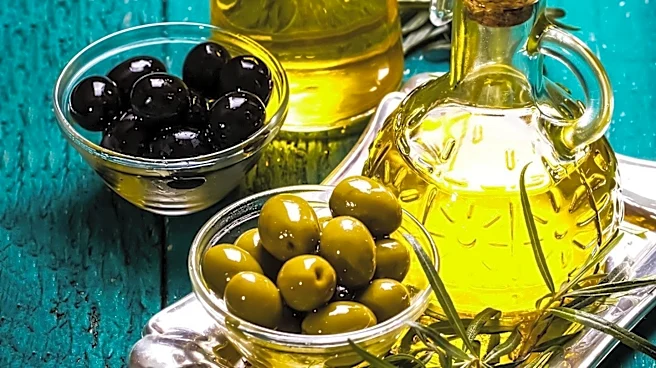
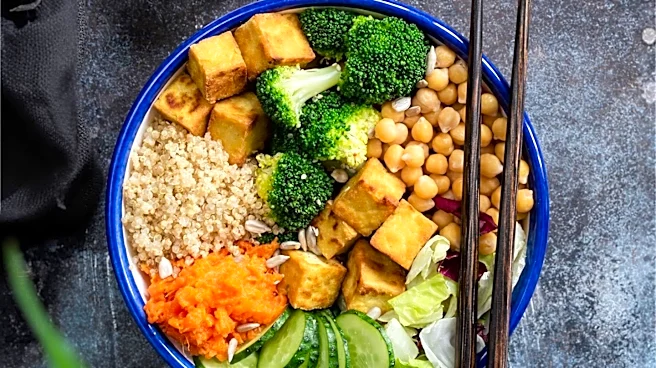
An anti-inflammatory diet, characterized by the consumption of fruits, vegetables, whole grains, and healthy fats, is being promoted for its potential to enhance metabolic health and regulate immune system function. Olive oil, a key component of this
dietary approach, is particularly highlighted for its anti-inflammatory properties. According to Katie Conrad-McCoy, RDN, registered dietitian at Kettering Health, olive oil contains monounsaturated fats, primarily oleic acid, which contribute to these effects. Roxana Ehsani, MS, RD, CSSD, LDN, a registered dietitian nutritionist and adjunct instructor at Virginia Tech, further explains that olive oil is rich in phenolic compounds like oleuropein, hydroxytyrosol, oleocanthal, and oleacein. These compounds work by interrupting inflammatory signaling pathways and blocking enzymes that produce inflammatory molecules, thereby helping to prevent and manage chronic inflammation, improve metabolic health, reduce vascular issues, and support gut health.
Why It's Important?
The emphasis on an anti-inflammatory diet, particularly the role of olive oil, is significant for public health in the U.S. as it offers a dietary strategy to combat chronic inflammation, a factor linked to numerous health conditions including heart disease, cancer, and neurodegenerative diseases. By promoting the regular consumption of foods rich in monounsaturated fats and antioxidants, this dietary approach can empower individuals to proactively manage their health. Improved gut health, a direct benefit of consuming unsaturated fats like those in olive oil, is crucial for overall well-being and immune function. Furthermore, the potential for better brain health through the protection of nerve cells from oxidative damage could have long-term implications for reducing the incidence of cognitive decline. This dietary shift could lead to a reduction in healthcare costs associated with chronic diseases and improve the quality of life for many Americans.
What's Next?
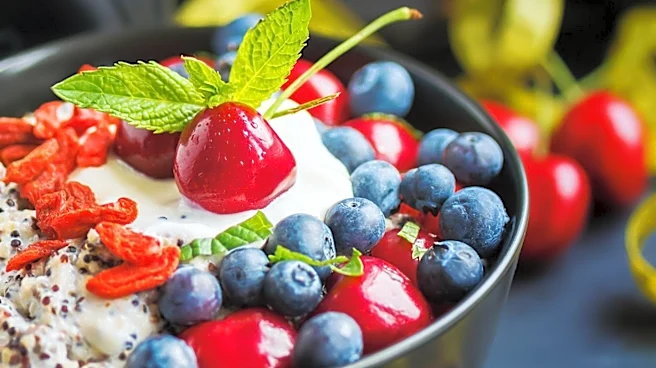
Moving forward, the integration of anti-inflammatory dietary principles into mainstream health recommendations is likely to continue. Nutrition experts may increasingly advise individuals to incorporate olive oil into their daily meals, suggesting practical ways such as using it as a cooking oil, in dressings, or as a topping for various dishes. Educational initiatives could focus on teaching consumers how to identify and prepare anti-inflammatory foods. The development of more recipes, like the steel-cut oats with kefir and berries mentioned, that specifically highlight anti-inflammatory and antioxidant ingredients, will also be crucial. This trend could also influence food manufacturers to produce more products aligned with anti-inflammatory dietary guidelines, potentially leading to a broader availability of healthier food options in grocery stores and restaurants.
Beyond the Headlines
Beyond the immediate health benefits, the promotion of an anti-inflammatory diet, with its focus on whole, unprocessed foods, could foster a broader cultural shift towards more mindful eating habits in the U.S. This approach encourages a deeper understanding of how food impacts the body at a cellular level, moving beyond calorie counting to a more holistic view of nutrition. The emphasis on ingredients like olive oil, which are central to Mediterranean diets, could also lead to a greater appreciation for diverse culinary traditions known for their health benefits. Ethically, this dietary shift could challenge the prevalence of highly processed foods in the American diet, prompting discussions about food accessibility, sustainable agriculture, and the role of food policy in promoting public health. It could also encourage individuals to take a more active role in their health management through dietary choices, potentially reducing reliance on pharmaceutical interventions for inflammation-related conditions.