




What's Happening?
Alessandro Michele, the creative director of Valentino, is introducing a new, more chaotic and emotional perspective to the luxury fashion brand, diverging from the traditional elegance established by founder Valentino Garavani. Michele, known for his
work at Gucci, has staged dramatic and sometimes controversial runway shows, including presentations in unexpected settings like a reproduction of a public bathroom. His recent autumn/winter 2026 ready-to-wear show, titled 'Interferenze,' showcased unexpected combinations of garments, such as fur coats with leggings and ballgowns with lucha libre-inspired masks, held in the refined Palazzo Barberini in Rome. Michele views his role as an 'interference' in the brand's story, blending different elements to create something new. He acknowledges the distinct approaches between himself and Garavani, who was known as the 'Sheikh of Chic' and represented harmony and divine order in fashion. Michele's vision for Valentino is rooted in Rome's diverse beauty, encompassing both its solemn, classical grandeur and its inherent 'messiness,' which he aims to integrate into his designs.
Why It's Important?
This shift in creative direction at Valentino is significant for the U.S. fashion industry and global luxury market. Alessandro Michele's disruptive approach challenges conventional notions of luxury and elegance, potentially influencing trends and consumer preferences in the U.S. market. His willingness to juxtapose high fashion with unconventional elements could attract a younger, more diverse clientele, expanding Valentino's market reach beyond its traditional aristocratic base. The 'interference' philosophy could also inspire other luxury brands to re-evaluate their heritage and embrace more experimental designs, leading to a broader evolution in fashion aesthetics. For U.S. retailers and fashion enthusiasts, Michele's collections will likely generate considerable buzz and demand, impacting sales and marketing strategies. The move also highlights the ongoing tension between preserving a brand's legacy and adapting to contemporary tastes, a challenge faced by many established luxury houses operating in the U.S. and internationally.
What's Next?
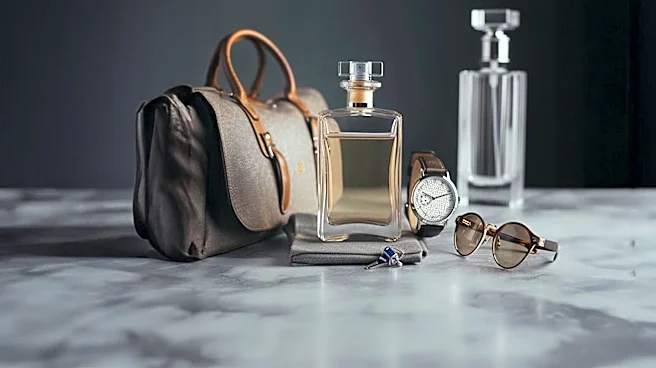
Valentino is expected to continue its new creative trajectory under Alessandro Michele, with upcoming collections likely to further explore his 'interference' philosophy. The brand will likely focus on new store openings, such as the Maison Valentino boutique in South Korea, and continue to release new products, like the Uomo Born In Roma Green Stravaganza fragrance, to complement its evolving fashion lines. The documentary 'The Last Emperor,' which chronicles Valentino Garavani's career, is making a comeback on streaming platforms, which could provide historical context for Michele's contemporary interpretations and potentially draw new attention to the brand's heritage. Industry observers and consumers will be watching to see how Michele's vision continues to unfold and how it is received in key markets, including the U.S. The brand's future success will depend on its ability to balance Michele's innovative designs with commercial viability and maintain its luxury appeal.
Beyond the Headlines
Alessandro Michele's leadership at Valentino represents a broader cultural shift in the luxury industry, moving away from rigid definitions of elegance towards a more inclusive and experimental aesthetic. This 'messiness' and 'chaos' can be seen as a reflection of contemporary society's embrace of individuality and rejection of traditional norms. The juxtaposition of classical Roman grandeur with modern, sometimes provocative, elements in Michele's designs speaks to a desire for authenticity and emotional connection in fashion. This approach could have long-term implications for how luxury brands engage with their history and adapt to evolving consumer values. It also raises questions about the role of a creative director in interpreting a brand's legacy versus forging an entirely new identity. The success of Michele's vision at Valentino could set a precedent for other heritage brands, encouraging them to take bolder risks and embrace more diverse forms of artistic expression, ultimately reshaping the landscape of global fashion.