





What's Happening?
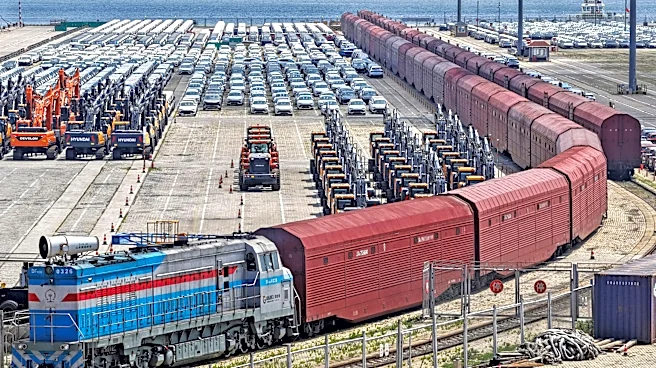
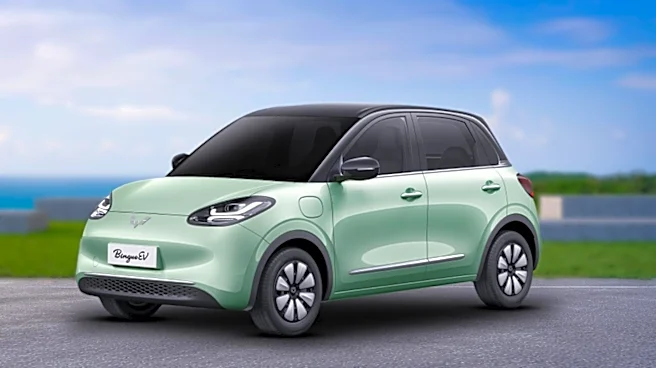
Chinese electric vehicle (EV) manufacturers are significantly outpacing their American counterparts in overseas investments, according to industry analysts. This trend is driven by a saturated domestic market in China, characterized by intense price wars
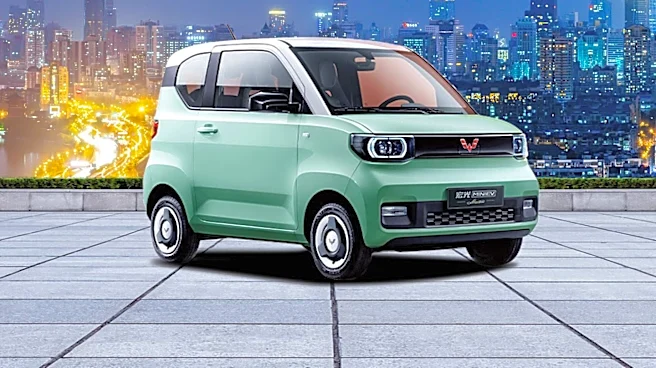
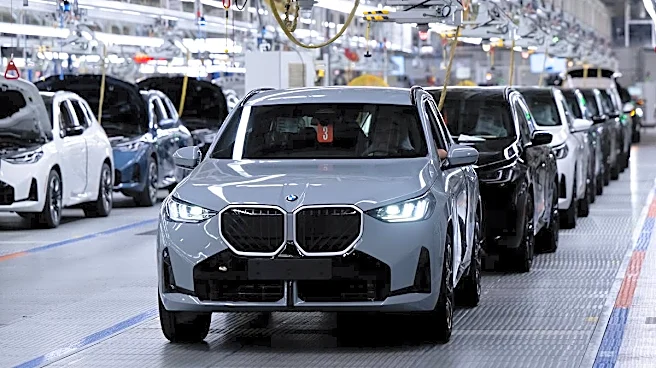
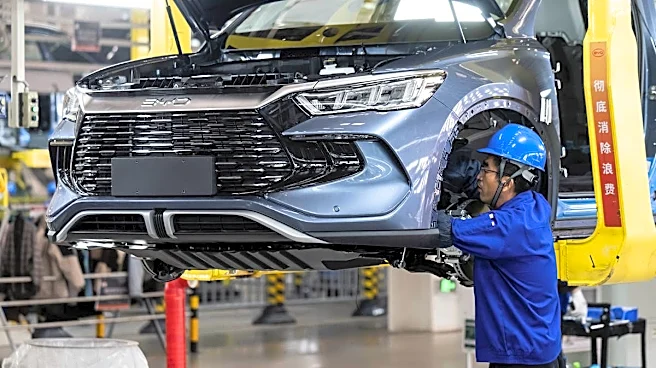
and excessive factory capacity, making it challenging for companies to generate profits locally. As a result, Chinese automakers are expanding their global footprint by investing in and building factories across various continents. Analysts highlight that companies like BYD are becoming dominant players in the EV market, akin to the roles General Motors and Ford played in the traditional automotive industry. From 2019 to 2025, Chinese companies announced nearly $101 billion in overseas EV and battery investments, compared to just over $38 billion by U.S. companies. This shift marks a significant change in global automotive investment patterns, with Chinese firms leveraging their scale and long-term investments to establish a strong market presence worldwide.
Why It's Important?
The expansion of Chinese automakers into global markets has significant implications for the U.S. automotive industry and its competitive position. As Chinese companies establish factories and supply chains internationally, they gain access to major markets and circumvent trade barriers, which could lead to increased market share and influence. This trend poses a challenge to American automakers, who may find it increasingly difficult to compete with the scale and reach of Chinese firms. The shift also reflects broader changes in global trade dynamics, as countries erect trade barriers to protect local industries or leverage market access for economic growth. The growing presence of Chinese EVs in markets like Latin America, Europe, and Australia underscores the demand for affordable electric vehicles and highlights the strategic importance of international investments in the automotive sector.
What's Next?
As Chinese automakers continue to expand their global presence, the U.S. automotive industry may need to reassess its strategies to remain competitive. This could involve increasing investments in overseas markets, forming strategic partnerships, or enhancing innovation in EV technology. Additionally, policymakers may consider revisiting trade policies to support domestic manufacturers and address the competitive pressures posed by Chinese firms. The ongoing evolution of the global automotive landscape will likely influence future trade negotiations and economic policies, as countries seek to balance market access with the protection of local industries.