






What's Happening?
Mortgage rate lock volumes experienced a significant decline in September, falling for the second consecutive month annually, as mortgage rates surpassed 7%. According to Mortgage Capital Trading (MCT), overall lock volumes were approximately 27% lower
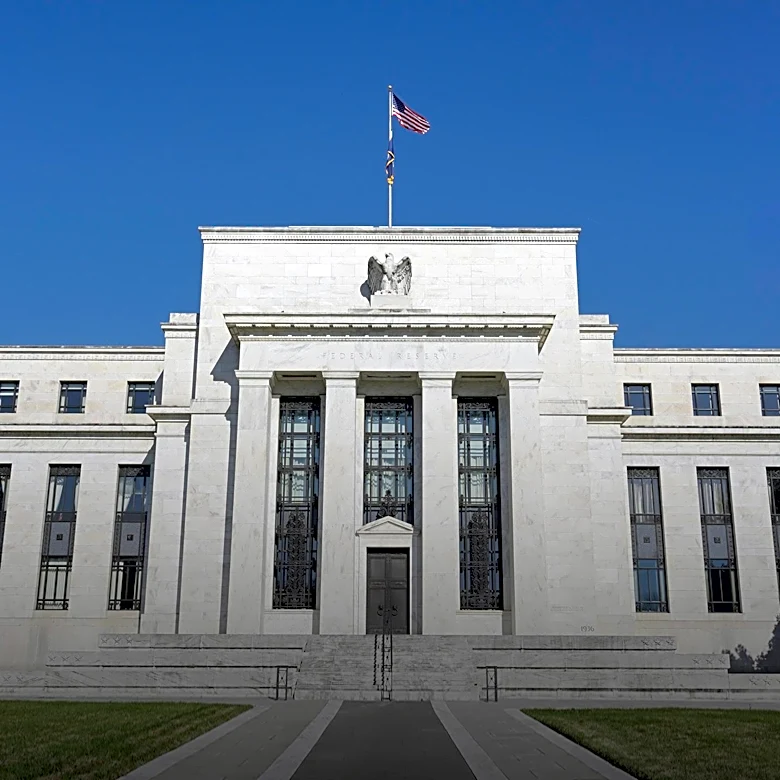
than the previous year. Purchase locks decreased by nearly 12% from last year, while rate-and-term refinances plummeted by 82%. Compared to July, rate locks were down over 10%, reflecting a nearly 10% drop in purchase activity and an even larger reduction in refinances. This downturn is attributed to a volatile Treasury market, where yields on U.S. government debt, which benchmark mortgage rates, rose sharply. Ten-year yields surged over 50 basis points in September, reaching around 5.29%, driven by a Federal Reserve interest rate hike and expectations of further increases amid elevated inflation.
Why It's Important?
The sharp decline in mortgage rate lock volumes signals a significant slowdown in the U.S. housing market, directly impacting real estate agents, lenders, and potential homebuyers. Elevated mortgage rates, sustained above 7% for typical 30-year loans, are making homeownership less affordable, leading to reduced demand for both new purchases and refinances. This trend can cool down housing prices, which might be beneficial for long-term affordability but could also lead to a decrease in home equity for current owners. For the broader economy, a struggling housing market can have ripple effects, affecting related industries such as construction, home improvement, and retail. The volatility in the Treasury market, influenced by fiscal deficit concerns, geopolitical events, and inflation expectations, underscores the interconnectedness of global economic factors and domestic consumer finance.
What's Next?
The mortgage market is expected to remain sensitive to movements in Treasury yields and Federal Reserve policy. If inflation persists and the Fed continues its hawkish stance, mortgage rates could remain elevated or even increase further, potentially prolonging the downturn in rate lock volumes. Industry experts like Andrew Rhodes of MCT suggest that while the market is cyclical, the duration of the current high-rate period remains uncertain. Lenders and real estate professionals will likely need to adapt to a lower-volume environment, potentially focusing on niche markets or offering alternative financing solutions. Policymakers will also be watching the housing market closely, as a prolonged slump could impact consumer confidence and overall economic stability. The upcoming Federal Open Market Committee (FOMC) meetings and jobs reports will be critical in shaping expectations for future interest rate movements.
Beyond the Headlines
The current state of the mortgage market highlights a broader economic tension between inflation control and economic growth. The Federal Reserve's aggressive rate hikes, aimed at taming inflation, are directly impacting the affordability of housing, a fundamental component of the American dream. This situation raises ethical questions about the balance between macroeconomic stability and individual financial well-being. The shift in supply-demand dynamics for longer-dated bonds, partly due to competition from corporate issuers funding artificial intelligence build-out, points to evolving investment priorities that indirectly affect everyday consumers. Furthermore, the sustained high mortgage rates could exacerbate wealth inequality, making it harder for lower and middle-income individuals to enter the housing market, while those with existing low-rate mortgages remain relatively insulated. This could lead to long-term societal implications regarding homeownership rates and intergenerational wealth transfer.