




What's Happening?
Wabi-sabi, a Japanese philosophy that finds beauty in imperfection, transience, and simplicity, is increasingly influencing art and design. This aesthetic values things that are imperfect, impermanent, and unadorned, contrasting with conventional notions
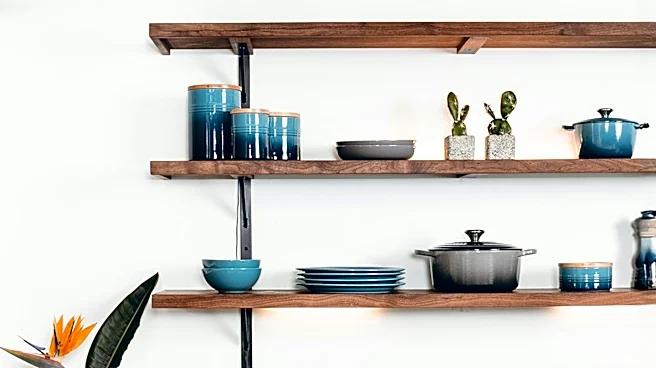
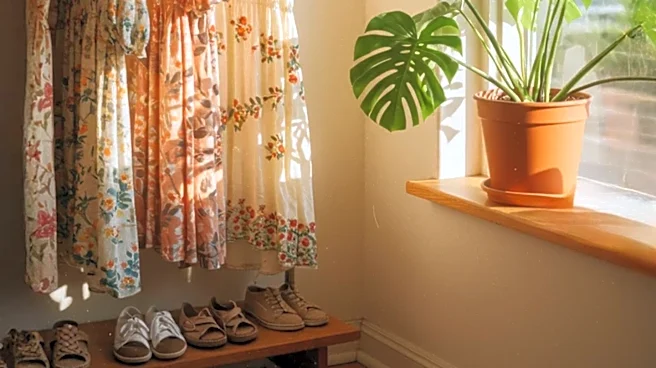
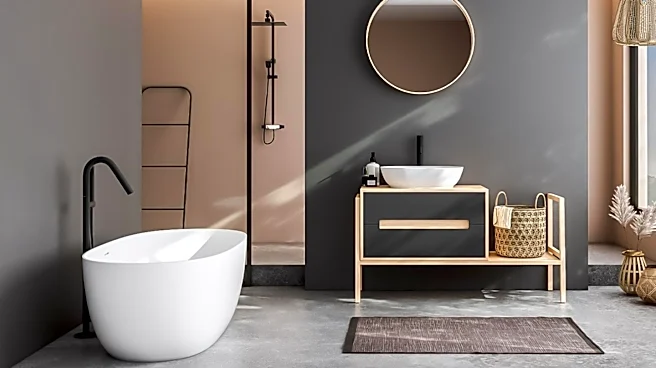
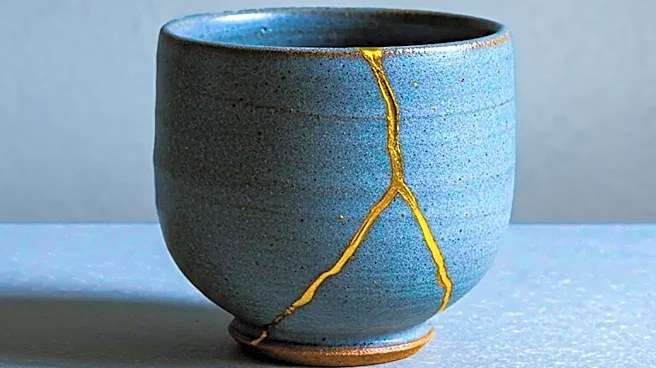
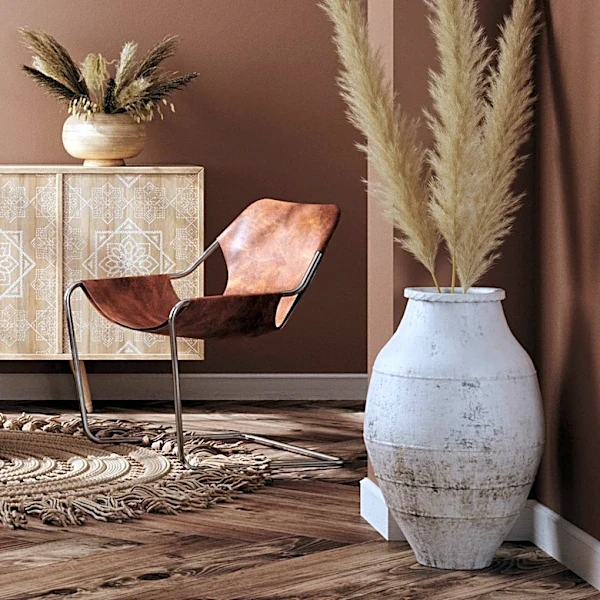
of perfection. Rooted in Japanese tea ceremonies and traditional arts like kintsugi—where broken pottery is repaired with lacquer and metal to highlight its flaws—wabi-sabi embraces muted, earthy tones, asymmetry, wear, and uneven shapes. It is characterized by a preference for natural materials such as linen, wood, stone, and clay, and a design approach that prioritizes texture and organic forms over bright colors or polished finishes. The philosophy encourages a calm, lived-in feel in spaces, often featuring large, simple art pieces with visible brushstrokes and ample empty space. This approach is distinct from Japandi, a design style that blends Japanese and Scandinavian aesthetics, which tends to be cleaner and lighter, whereas wabi-sabi is warmer and more rustic.
Why It's Important?
The growing interest in wabi-sabi reflects a broader cultural shift towards valuing authenticity, sustainability, and mindfulness in daily life. In an era often dominated by mass-produced, flawless goods, wabi-sabi offers an alternative perspective that celebrates the unique character and history of objects. This philosophy can influence consumer preferences, encouraging a demand for handcrafted items, vintage pieces, and designs that incorporate natural wear and tear. For industries like interior design, art, and home furnishings, embracing wabi-sabi can open new market segments focused on rustic, minimalist, and earth-toned aesthetics. It also promotes a more sustainable approach to consumption by encouraging the appreciation and repair of existing items rather than constant replacement. This philosophical shift can impact how individuals perceive beauty and value in their surroundings, fostering a greater acceptance of natural aging and imperfections.
What's Next?
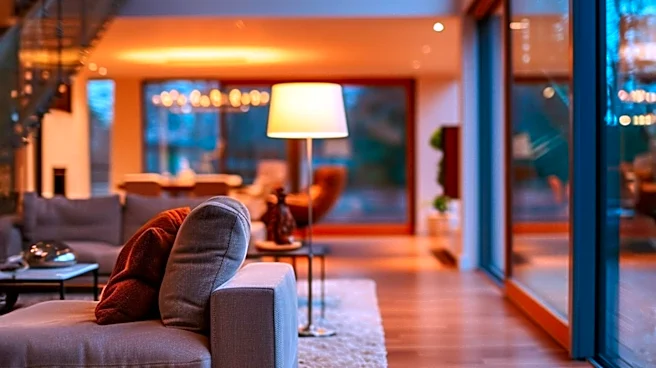
As wabi-sabi continues to gain recognition, its principles are likely to be further integrated into various aspects of design and lifestyle. We can expect to see more designers and artists incorporating wabi-sabi elements into their work, leading to an increased availability of products that reflect this aesthetic, such as furniture with natural wood finishes, textiles with organic textures, and art that emphasizes muted palettes and imperfect forms. Educational initiatives and workshops on wabi-sabi principles may also become more common, helping to disseminate this philosophy to a wider audience. Furthermore, the concept could influence architectural trends, with a greater emphasis on natural materials, diffused lighting, and the preservation of historical elements in renovations. The ongoing dialogue between wabi-sabi and other design movements, like Japandi, will likely lead to new hybrid styles that blend different aesthetic values.
Beyond the Headlines
Beyond its aesthetic appeal, wabi-sabi offers profound ethical and psychological implications. It challenges the pervasive societal pressure for perfection, encouraging individuals to find beauty in flaws and transience, which can foster greater self-acceptance and reduce anxiety related to unattainable ideals. In a consumer-driven society, wabi-sabi promotes a more mindful relationship with possessions, encouraging appreciation for the story and character of objects rather than their pristine condition. This can lead to a more sustainable lifestyle by valuing longevity and repair over disposability. Culturally, it represents a counter-narrative to the fast-paced, ever-new paradigm, advocating for a slower, more contemplative approach to living and creating. The philosophy's emphasis on simplicity and naturalness can also contribute to a sense of calm and well-being in personal spaces, offering a refuge from the complexities of modern life.