







What's Happening?
Norwegian Cruise Line Holdings (NCLH), the parent company of Norwegian, Oceania, and Regent Seven Seas, is undertaking an aggressive fleet modernization program with an investment of nearly $20 billion. This strategy involves a significant orderbook of 16
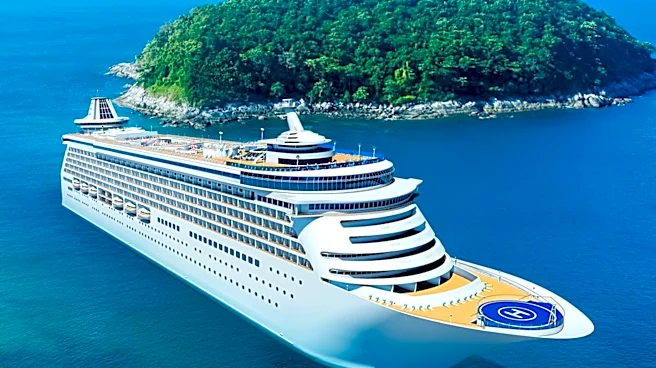
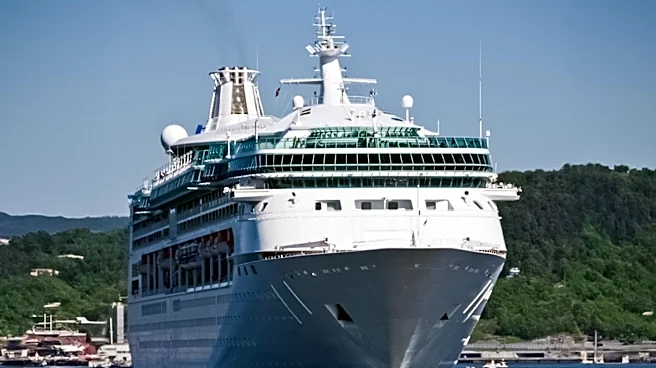
new ships by 2037, alongside the strategic removal of older vessels from its fleet. Five ships are scheduled to depart between 2026 and 2028. The company currently operates 35 ships, with Norwegian Cruise Line having 21, Oceania 8, and Regent 6. The modernization aims to enhance long-term efficiency and optimize the fleet. For instance, Norwegian Cruise Line is set to introduce its largest ship, Norwegian Aura, in 2027, followed by a sister ship in 2028, and then five ultra-large cruise ships between 2030 and 2037, adding 32,760 berths. Older ships like Norwegian Sky and Norwegian Sun are being chartered to India-based Cordelia Cruises, while Oceania Cruises is disposing of older vessels and reimagining Oceania Nautica as Oceania Aurelia for the luxury long-cruise market.
Why It's Important?
This extensive fleet modernization by Norwegian Cruise Line Holdings signifies a major strategic shift within the U.S. cruise industry, focusing on enhancing luxury offerings and optimizing operational efficiency. The nearly $20 billion investment underscores a commitment to staying competitive and meeting evolving consumer demands for modern, high-capacity, and luxurious cruise experiences. By replacing older ships with new, larger, and more advanced vessels, NCLH aims to improve its brand positioning and strengthen commercial performance. This move could set a precedent for other major cruise corporations, potentially leading to a broader industry trend of fleet optimization in response to environmental regulations and the rising costs of maintaining older ships. The introduction of new, larger ships will also increase passenger capacity, potentially boosting revenue and market share for NCLH, while the strategic disposal of older ships allows for a more streamlined and efficient fleet. This investment also reflects confidence in the long-term growth of the cruise market.
What's Next?
Over the next decade, NCLH will systematically introduce 16 new ships while phasing out five older vessels between 2026 and 2028. The first of these changes will see Norwegian Cruise Line hand over its oldest ship, Norwegian Sky, in the coming weeks, followed by Norwegian Sun in 2027, both under long-term charter agreements to Cordelia Cruises. Regent Seven Seas will transfer its oldest ship in 2027, and Oceania Cruises will continue to dispose of older vessels, with Oceania Sirena being delivered to new owners by September 30 and Oceania Regatta starting a two-year charter in late 2026. The company will also renovate and reposition Oceania Nautica as Oceania Aurelia in 2027, targeting the luxury long-cruise market. NCLH will continue to evaluate strategic alternatives for other older vessels, including potential sales or long-term charter arrangements, as it progresses with its fleet optimization strategy.
Beyond the Headlines
The fleet modernization program by Norwegian Cruise Line Holdings extends beyond mere capacity expansion; it represents a strategic adaptation to the evolving landscape of the global cruise industry. The decision to invest heavily in new, larger, and more luxurious ships, while divesting older ones, reflects a proactive approach to environmental regulations and the increasing demand for premium experiences. This could lead to a ripple effect across the industry, compelling competitors to accelerate their own modernization efforts to remain competitive. Furthermore, the repositioning of older ships through charters to emerging markets, such as India, highlights a broader trend of extending the lifecycle of vessels while tapping into new customer bases. This strategy also addresses the challenge of maintaining profitability with aging fleets, as many second-tier operators that historically purchased older ships no longer exist. The focus on 'sharpening brand positioning' and 'elevating the product and guest experience' suggests a long-term vision for sustainable growth and market leadership.