


What's Happening?
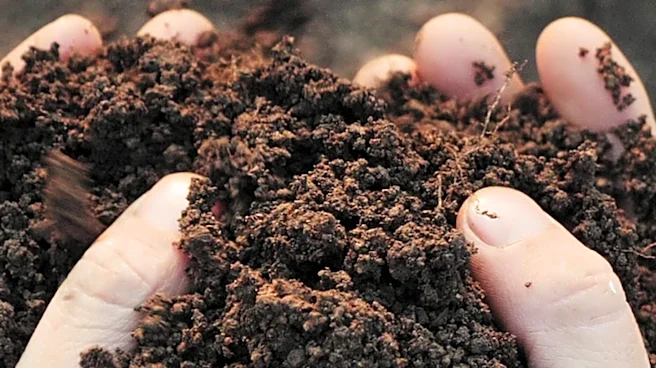
Kim Novak, the 93-year-old actress, has decided to undergo human composting after her death. This process transforms human remains into nutrient-rich soil. Novak shared her plans in an exclusive interview with PEOPLE, as reported by Yahoo Entertainment.
She ruled out cremation due to environmental concerns and initially considered a shroud burial with a tree planted over her, but found limited options for this in the Pacific Northwest. Ultimately, she located a facility in Washington state that offers human composting. Novak expressed her desire to 'continue growing' and remain part of the life cycle, viewing this method as a way to ensure her remains support new life, ideally a tree. She intends to distribute the resulting soil among friends and family in special urns, hoping they will use it to plant trees.
Why It's Important?
Kim Novak's decision highlights a growing interest in alternative post-mortem options in the United States, particularly those with environmental benefits. Her public endorsement of human composting could raise awareness and acceptance of this method as an alternative to traditional burial and cremation. As environmental consciousness increases, more individuals may seek eco-friendly end-of-life choices. This trend could influence the funeral industry, potentially leading to increased demand for and availability of human composting facilities. Furthermore, Novak's choice underscores a personal desire for continuity and purpose beyond life, aligning with broader societal discussions about death, legacy, and environmental stewardship. Her actions may encourage others to explore how their final arrangements can reflect their values.
What's Next?
The public announcement of Kim Novak's plans is likely to spark further discussion and interest in human composting. This could lead to increased inquiries at facilities offering the service and potentially encourage more states to legalize and regulate human composting as an end-of-life option. Currently, human composting is legal in a limited number of U.S. states, including Washington, Colorado, Oregon, Vermont, and California. Increased public awareness, driven by figures like Novak, could put pressure on lawmakers in other states to consider similar legislation. Additionally, the visibility of this choice may prompt more individuals to include human composting in their estate planning, further normalizing the practice and expanding its presence within the funeral services industry.
Beyond the Headlines
Kim Novak's choice to become human compost touches upon deeper philosophical and cultural aspects of death and our relationship with nature. Her desire to 'continue growing' and support new life through her remains challenges traditional views of death as a definitive end. This perspective aligns with a broader cultural shift towards viewing human existence as part of a larger ecological cycle. Ethically, human composting offers a way to reduce the environmental footprint associated with death, addressing concerns about land use for burials and emissions from cremations. Legally, the increasing acceptance of such practices reflects evolving societal norms and the need for legal frameworks to accommodate diverse end-of-life preferences. Culturally, it represents a move towards more personalized and environmentally conscious approaches to death, potentially reshaping how society perceives and manages human remains.