


What's Happening?
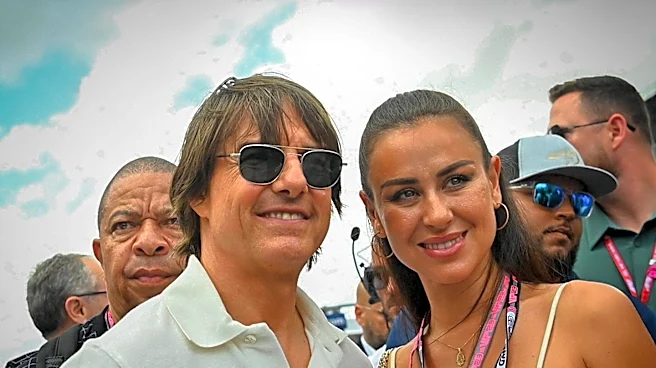
The LEGO Group and Formula 1 collaborated to host the first-ever LEGO Race in Las Vegas, featuring 11 celebrities driving LEGO F1 minicars, each representing a Formula 1 team. The event, held on November 21, 2026, saw stars like Carl Cox, LISA, Gordon
Ramsay, and Terry Crews participate, with FISHER ultimately winning the race and a LEGO brick trophy. The minicars, designed by a team of 20 and developed over 6,400 hours at the LEGO Group's Kladno factory, were fitted with lights to match Las Vegas's 'neon' theme. This event marks a continuation of the partnership between Formula 1 and the LEGO Group, aiming to bring playfulness to F1 fans. Additionally, the partnership has led to the revelation of the first-ever full-grid F1 Driver LEGO minifigures, further integrating the brands.
Why It's Important?
This collaboration signifies a strategic move by both the LEGO Group and Formula 1 to expand their brand reach and engage new audiences. For Formula 1, partnering with a globally recognized toy brand like LEGO can attract younger fans and families, broadening its demographic appeal beyond traditional motorsport enthusiasts. For the LEGO Group, associating with a high-profile global sport like Formula 1 enhances its brand image, showcasing its versatility and ability to create engaging experiences beyond traditional toy sets. The celebrity involvement in the race also generates significant media attention and social media buzz, providing valuable marketing exposure for both entities. The introduction of F1 Driver LEGO minifigures creates new merchandise opportunities and strengthens the connection between the sport and its fans through collectible items, potentially driving sales for both brands.
What's Next?
Following the successful inaugural LEGO Race, it is likely that the LEGO Group and Formula 1 will explore further collaborative events or product lines. The race, which was broadcast on F1 YouTube, could become an annual tradition, potentially featuring different celebrities or expanding to other Grand Prix locations. The release of the full-grid F1 Driver LEGO minifigures suggests a continued focus on integrating Formula 1 themes into LEGO's product offerings, which could include more detailed car models, race track sets, or even interactive digital experiences. Both companies will likely monitor the reception of these initiatives to gauge future investment in this partnership, aiming to capitalize on the synergy between entertainment, sports, and play.
Beyond the Headlines
This partnership reflects a broader trend in brand marketing where companies from different sectors collaborate to create unique, immersive experiences that transcend traditional advertising. By blending the excitement of Formula 1 with the creative play of LEGO, the collaboration taps into nostalgia for adult fans while introducing the sport to a new generation. It also highlights the increasing importance of experiential marketing, where consumers are offered memorable events rather than just products. The use of celebrities further amplifies this strategy, leveraging their influence to create viral content and drive engagement. This approach could set a precedent for other sports leagues and entertainment brands looking to innovate their fan engagement strategies and diversify their revenue streams through creative partnerships.