


What's Happening?
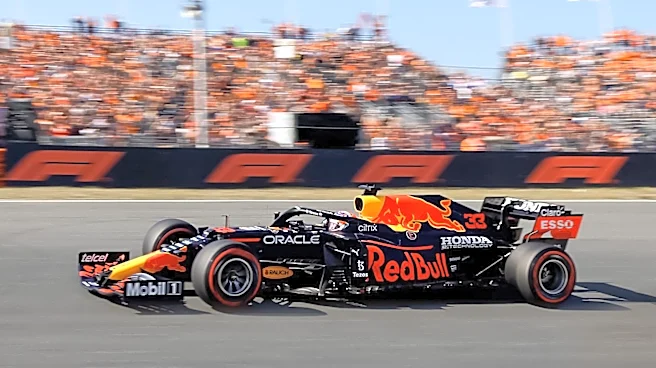
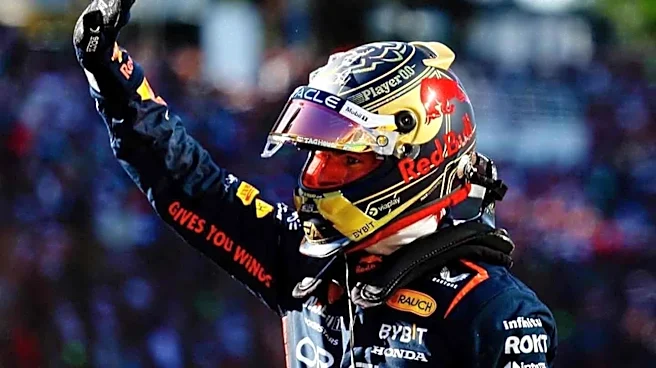
Formula 1 CEO Stefano Domenicali has revealed that the sport considered making further rule changes to accommodate Max Verstappen's preferences. The proposed changes aimed to reduce the role of energy management during races, but they were not fully implemented
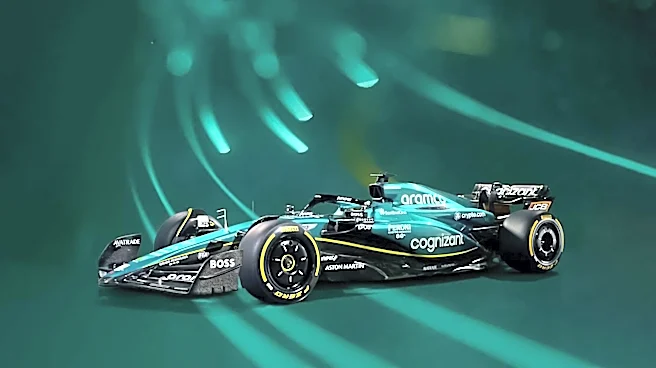
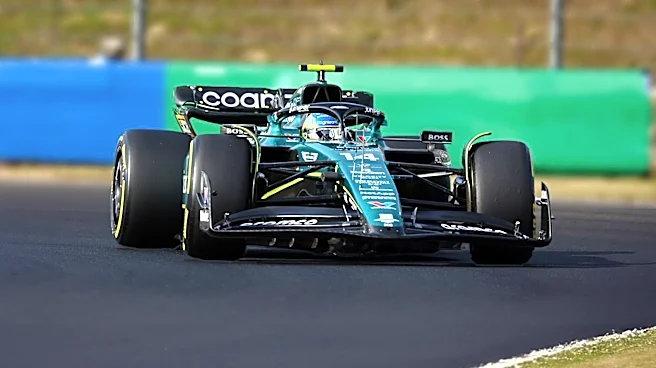
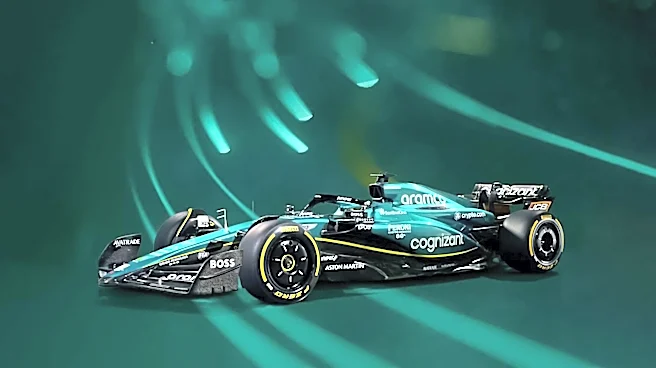
due to a lack of consensus among teams, manufacturers, and the FIA. Meanwhile, Honda's new power unit made its debut in Hungary, with plans to use it during a Grand Prix weekend in the Netherlands. Aston Martin, benefiting from car upgrades, hopes the new engine will enhance their performance further.
Why It's Important?
The discussions around rule changes for Verstappen highlight the influence top drivers have on the sport's regulations. Accommodating driver preferences can lead to a more competitive and engaging racing environment, which is essential for maintaining the sport's popularity. The introduction of Honda's new engine represents a significant development in the ongoing technological advancements within Formula 1. As teams strive for better performance, innovations like these can shift competitive dynamics and impact race outcomes. The collaboration between teams and engine manufacturers is crucial for achieving success in the highly competitive F1 landscape.
What's Next?
As Formula 1 continues to evolve, further discussions on rule changes and technological advancements are expected. The sport will need to balance the interests of drivers, teams, and manufacturers to ensure a fair and exciting competition. The debut of Honda's new engine in the Netherlands will be closely watched, as it could influence future engine development strategies. Teams will continue to explore ways to optimize their performance, leveraging both regulatory changes and technological innovations. The ongoing dialogue between stakeholders will shape the future direction of Formula 1.