



What's Happening?
A lawsuit has been filed alleging that the City of Broken Arrow is intentionally withholding water service from 'The Grove,' a fully engineered and city-approved residential subdivision. The lawsuit claims the city is using the development as a 'bargaining
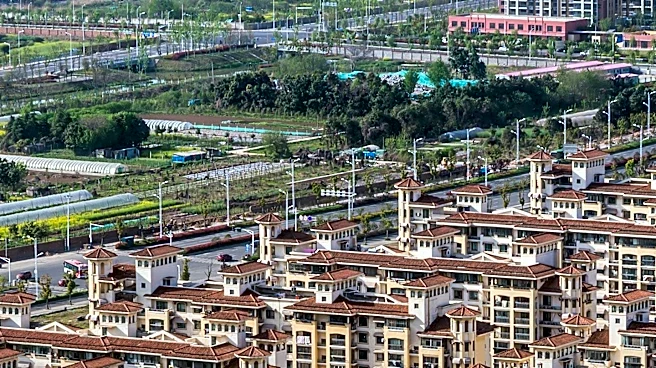
chip' to resolve an ongoing dispute with a rural water district. The Grove, located near E. 131st St. South and S 193rd E. Ave., is being promoted by Executive Homes with early bird pricing for 100 properties. Developers assert they designed and built the water system to the city's specifications, investing millions based on the city's promise to supply water. However, the city now claims uncertainty over which entity will provide water, despite having committed to do so for over two years. The city has declined to comment on the pending litigation.
Why It's Important?
This lawsuit highlights a significant conflict between a municipality and a developer, with potential ramifications for housing development, urban planning, and the local economy in Broken Arrow. If the allegations are true, the city's actions could deter future development, as developers might perceive increased risk in investing in projects where municipal commitments are not honored. This could slow down housing growth, impact job creation in the construction sector, and potentially affect housing affordability. For prospective homeowners who have shown interest in The Grove, the dispute creates uncertainty and delays. Furthermore, the case could set a precedent regarding the legal obligations of municipalities to provide essential services to approved developments, especially when developers have made substantial investments based on prior agreements. It also underscores the complexities of inter-agency disputes, such as those between a city and a rural water district, and how they can inadvertently impact private sector projects.
What's Next?
The lawsuit will proceed through the legal system, with both the developer and the City of Broken Arrow presenting their arguments. The court will need to determine whether the city is indeed withholding water service as a bargaining tactic and if it has breached any prior commitments to the developer. This could involve reviewing contracts, communications, and the history of the dispute with the rural water district. A resolution could involve a court order compelling the city to provide water service, a settlement between the parties, or a ruling in favor of the city. The outcome will significantly impact the future of The Grove development, potentially allowing construction to proceed or leaving the project in limbo. It may also influence how future development agreements are structured and enforced in Broken Arrow.
Beyond the Headlines
This dispute delves into the intricate relationship between municipal governance, infrastructure development, and private investment. Beyond the immediate legal battle, it raises questions about the transparency and reliability of municipal commitments to developers. Such conflicts can erode trust in local government, making it harder to attract investment for necessary urban expansion. The underlying 'simmering dispute' with the rural water district suggests broader issues in regional water management and inter-jurisdictional cooperation, which could affect other developments or residents. The case may also prompt a re-evaluation of how cities manage essential services like water supply, especially in rapidly growing areas, to ensure that political or administrative disagreements do not unduly impede economic development and housing availability. The ethical implications of using a private development as leverage in a separate dispute could also be a point of public and legal scrutiny.