



What's Happening?
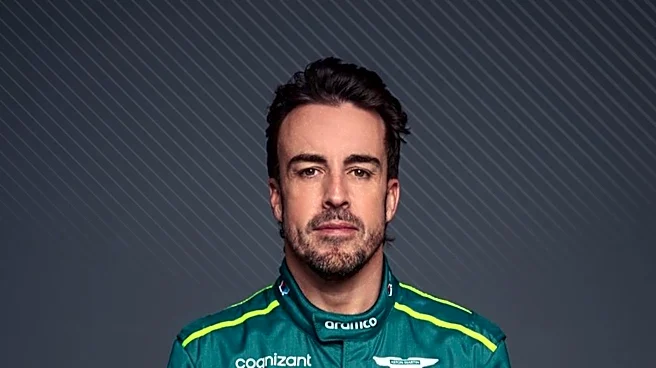
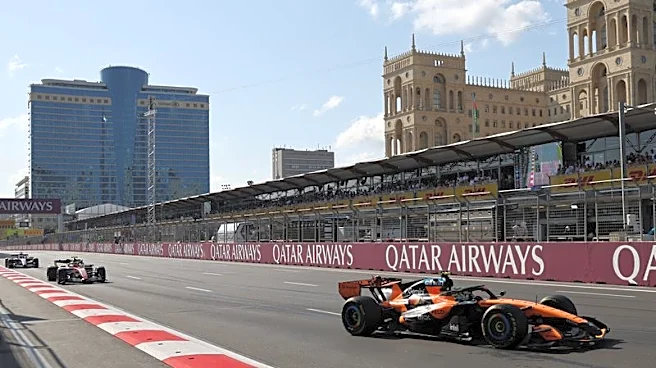
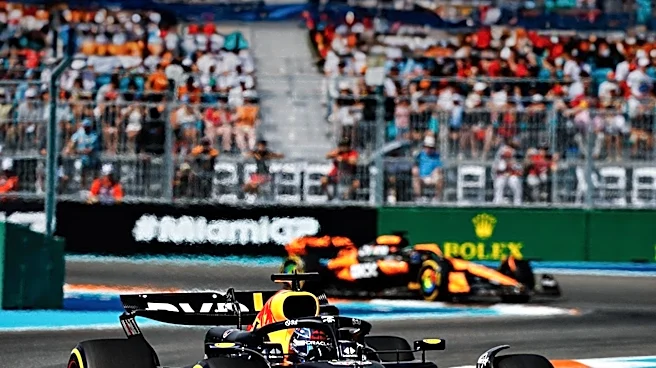
Fernando Alonso, a prominent Formula 1 driver, has voiced concerns regarding the upcoming regulation changes for the 2027 season. He suggests that while some adjustments, such as the 60/40 split in electrical and combustion power for engines, are positive,
further improvements are necessary to enhance the driving experience. Alonso believes the current rules diminish driver enjoyment and the special nature of top cars and tracks. He highlighted that drivers are often forced to adopt unnatural driving styles, such as 'lift and coast' maneuvers, which detract from the pure racing instinct. He advocates for changes that would allow drivers to push harder and more consistently, making the sport more engaging for them. Alonso's perspective is that the current regulations, heavily influenced by engineering and simulations, reduce the organic feel of racing, leading to less enjoyment even on legendary circuits.
Why It's Important?
Alonso's critique is significant because it comes from a highly experienced and respected figure in Formula 1, reflecting a sentiment that could resonate with other drivers and impact the sport's future direction. His concerns about driver enjoyment and the 'purity' of racing touch upon the core appeal of F1. If top drivers feel the regulations hinder their ability to perform instinctively and enjoy the sport, it could affect their willingness to continue racing and potentially deter new talent. The proposed changes, particularly regarding the balance between electrical and combustion power, could alter racing dynamics, potentially leading to more aggressive driving and closer competition. This could, in turn, impact viewership, sponsorship, and the overall commercial viability of F1, which is a major global entertainment and business entity. The debate also highlights the tension between technological advancement and the traditional aspects of motorsport that fans and drivers cherish.
What's Next?
Alonso anticipates that the 60/40 split in engine power for 2027 will bring some improvements, but he believes more comprehensive changes might be needed. He has expressed a sense of responsibility to use his experience to help improve F1's regulations. The discussion around these changes is likely to continue within the FIA and among F1 teams. Any further modifications to the regulations would require agreement from the teams, which can be complex due to differing interests. The sport's governing bodies will need to weigh driver feedback against technological advancements, safety considerations, and the overall spectacle of the races. The outcome of these discussions could lead to further adjustments to the 2027 regulations or subsequent seasons, aiming to strike a balance that satisfies drivers, teams, and fans while maintaining F1's position as a premier motorsport.
Beyond the Headlines
Alonso's comments delve into the philosophical underpinnings of modern motorsport, questioning whether the pursuit of efficiency and technological complexity has inadvertently diluted the essence of racing. His observation that F1 is unique in requiring drivers to 'go slow to go fast' points to a broader issue of how regulations can shape, and sometimes constrain, athletic performance and artistic expression in sports. This debate extends beyond F1, touching on how technology and rules in various sports can either enhance or detract from the human element. The long-term implications could involve a re-evaluation of how regulations are formulated, prioritizing driver input and the 'feel' of the sport alongside technical innovation. It also raises questions about the balance between maintaining a competitive spectacle and preserving the integrity of the driving challenge, potentially influencing future rule-making across different racing series.