






What's Happening?
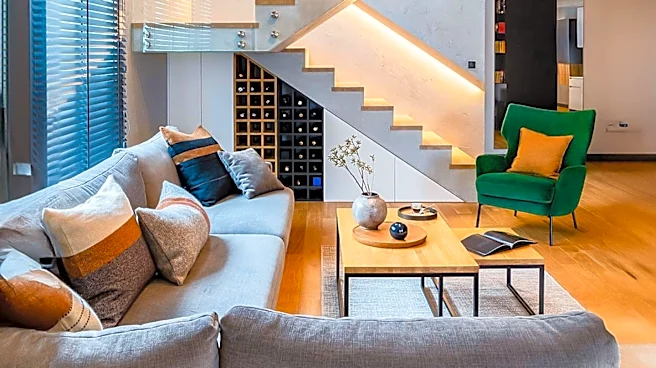
To maximize efficiency in small living spaces, particularly apartments, a key strategy involves utilizing vertical storage solutions. This includes implementing tall shelving, wall-mounted racks, and over-door organizers to leverage wall space rather
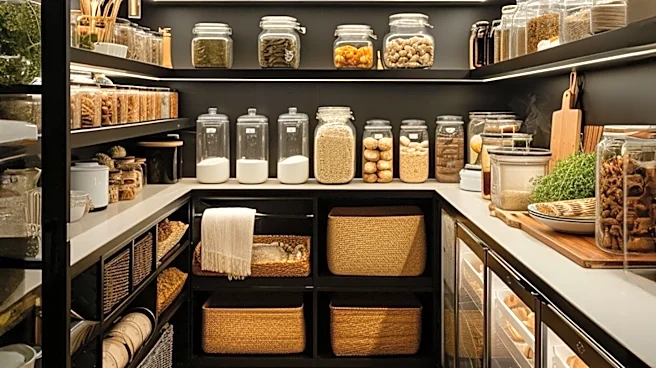
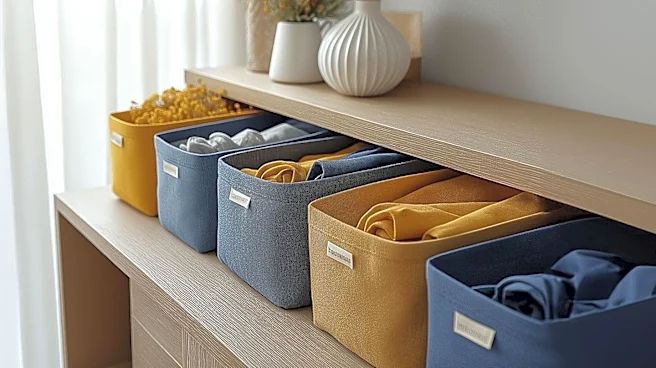
than solely relying on floor space. Another crucial hack is establishing a 'landing zone' near the entrance, such as a storage bench or hooks, to manage items like keys, mail, and shoes immediately upon entry, preventing clutter from spreading throughout the home. Additionally, optimizing closet systems with slim velvet hangers and stackable bins can significantly increase storage capacity. The approach also advocates for assigning a specific 'home' for every item, which streamlines daily routines by removing the need for constant decision-making about where to store things. This method helps in maintaining an organized environment and reduces the feeling of chores associated with tidying up.
Why It's Important?
These organizational strategies are important for residents in urban areas, especially those living in apartments or smaller homes, where space is often at a premium. By effectively utilizing vertical space and creating designated storage areas, individuals can significantly enhance their living environment, making it more functional and less cluttered. This has a direct impact on daily life, reducing stress associated with disorganization and improving overall well-being. For the real estate and rental markets, offering or promoting units that can be easily organized with these methods could be a selling point, as efficient space utilization is a major concern for many renters and buyers. Furthermore, the emphasis on decluttering before moving and assigning homes to items promotes sustainable consumption habits by encouraging individuals to be more mindful of their possessions and reduce unnecessary purchases.
What's Next?
As awareness of efficient space management grows, we can expect to see an increased demand for furniture and storage solutions specifically designed for small spaces, such as modular shelving units, multi-functional furniture, and integrated storage systems. Retailers and home improvement stores may expand their offerings in these categories to meet consumer needs. Additionally, apartment developers and landlords might incorporate these organizational principles into their unit designs, potentially including built-in vertical storage or designated landing zones as standard features. Educational content and services focused on home organization are also likely to become more prevalent, guiding individuals on how to implement these hacks effectively. The trend towards minimalist living and efficient space utilization is expected to continue, influencing product development and interior design practices.
Beyond the Headlines
The focus on small space organization reflects a broader societal shift towards more conscious living and resource management, particularly in densely populated urban centers. Beyond mere aesthetics, an organized living space can contribute to improved mental clarity and reduced cognitive load, as individuals spend less time searching for items or feeling overwhelmed by clutter. This approach also subtly encourages a more minimalist lifestyle, prompting individuals to evaluate their possessions and retain only what is truly necessary or valued. Environmentally, reducing clutter and optimizing storage can lead to less waste, as people are less likely to repurchase items they already own but cannot find. Culturally, the emphasis on efficient living spaces challenges traditional notions of home size and luxury, promoting the idea that quality of life can be enhanced through smart design and organization, regardless of square footage. This could lead to a re-evaluation of housing priorities and design philosophies in the long term.